






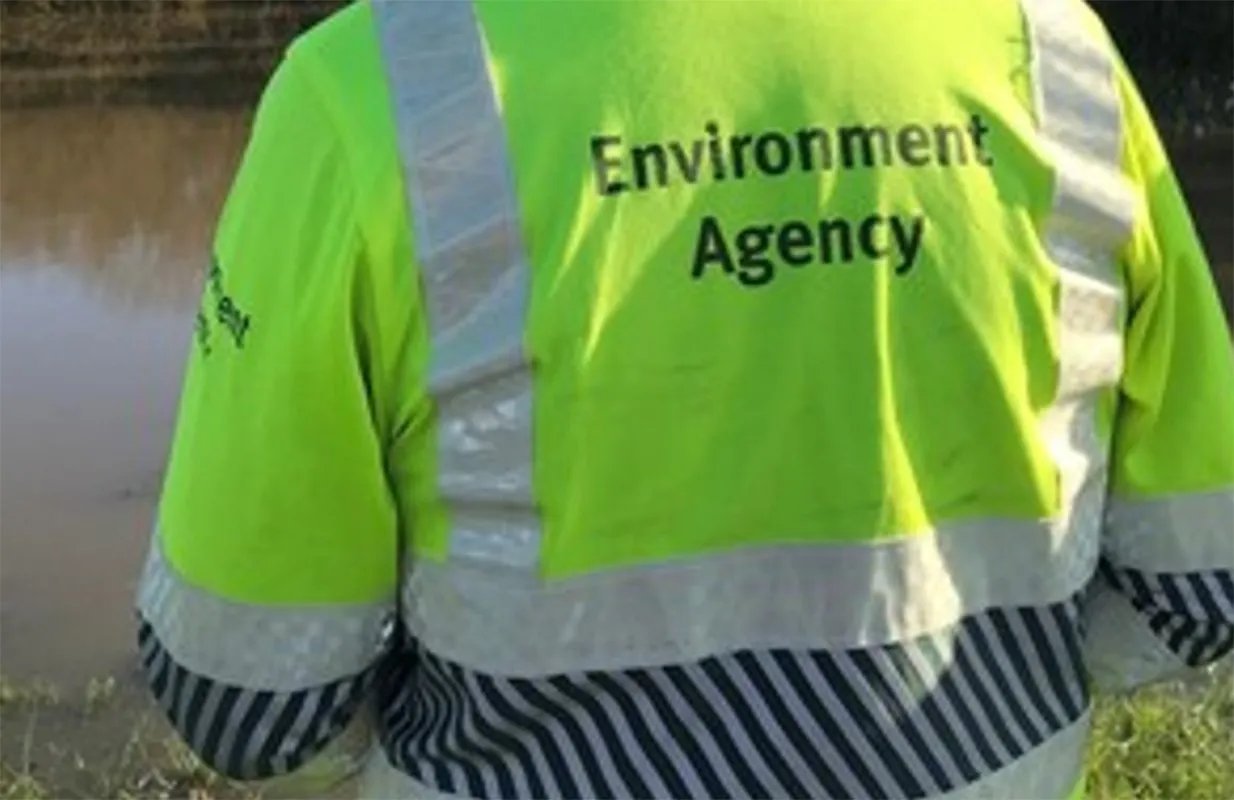
A significant portion of England, including the North East and Yorkshire, has entered a period of prolonged dry weather, signaling the precursor to a full-scale drought. This critical announcement follows a meeting of the National Drought Group on August 10th, comprising representatives from the Environment Agency (EA), the Department for Environment, Food and Rural Affairs (Defra), and the Met Office.
Almost three-quarters of England is now grappling with drought conditions, which have intensified following an exceptionally dry start to August. Currently, no region in England retains a “normal” water status.
The National Drought Group has issued a stark warning: all regions across the country are experiencing considerable pressure on their water resources. This strain is manifesting in increasing impacts on agriculture, public water supplies, navigation routes, and the overall environment.
Further exacerbating the situation, the East Midlands, Lincolnshire & Northamptonshire, Kent & East Sussex, and Solent & the South Downs regions were officially declared to be in drought status on August 10th.
When combined with areas previously announced last week, a staggering 71.3% of the country is now experiencing a “flash drought.” This type of drought develops rapidly due to a combination of extremely low rainfall and elevated temperatures. This widespread drought now affects 45 million people, with over 27 million currently living under restrictions on water use.
These critical changes come on the heels of the driest July in 190 years, coupled with a mere 5% of expected rainfall recorded so far this month. Forecasters are warning of continued dry weather and another impending heatwave, with temperatures predicted to climb into the mid-30s in some areas.
“Everyone use a little less water”
Tony Grayling, Strategic Drought Lead at the Environment Agency and Chair of the National Drought Group, emphasized the severity of the situation: “Drought conditions are worsening and will continue to do so until we see significant and sustained rainfall. We know the hot and dry weather is taking a real toll on farming and there will be long-lasting impacts on our environment.”
Grayling urged public cooperation: “We want everyone to stay safe and hydrated over the summer, but we need everyone’s help in using a little less water to make sure our current water reserves last. Every drop we can save is a drop more for your local farmers, local wildlife and local rivers.”
He highlighted that seemingly small actions to reduce water consumption, such as turning off taps while brushing teeth or promptly fixing a leaking toilet, can collectively contribute significantly to conserving dwindling supplies until sustained rainfall eventually arrives.
In parallel, Water Minister Emma Hardy has instructed water companies to intensify efforts in reducing leaks, which tend to increase during hot weather as pipes shift in dry soils.
Support for farmers
The National Drought Group members are actively engaged in ongoing work, which includes heightened incident response, additional monitoring of water resources, increased leakage reduction initiatives, and enhanced cross-sector and public communication. The government has affirmed its intensified drought response and is actively exploring avenues to provide greater support to the agricultural sector.
Water Minister Emma Hardy, who attended the National Drought Group meeting, stated: “We know how challenging this summer has been, especially for our hard-working farmers who are at the sharp end of climate change and an increasing number of floods and droughts.”
She elaborated on the government’s support: “We are stepping up our support including working to make it easier for farmers to build more on-site irrigation reservoirs. We are also delivering long-term change in the water industry to reduce leaks and deliver nine new reservoirs and water transfer schemes to secure supplies.”
Minister Hardy also stressed expectations for water companies: “As we move through this period of drought, I expect water companies to take every available step to minimise leakage and support customers in using water wisely.”
She concluded by expressing gratitude: “I also want to thank people for following the restrictions, where in place, as they are an important tool to safeguard essential water supplies and protect the environment.”
Climate is changing
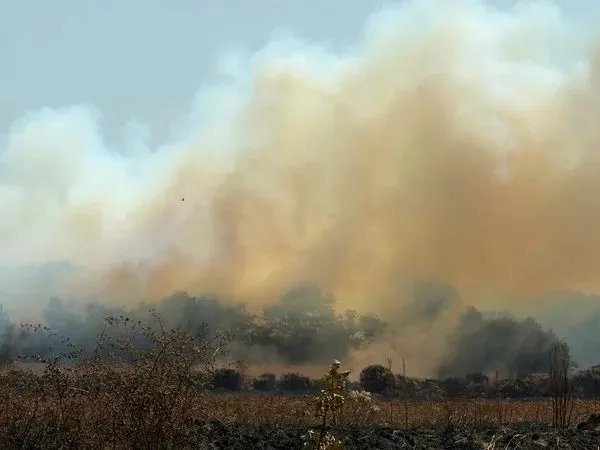
The consequences of the prolonged dry spell are evident: rivers, reservoirs, and groundwaters continue to decline, while rising water temperatures are leading to more fish rescues. The persistent hot and dry conditions are also significantly increasing the risk of wildfires. This current drought underscores a disturbing trend; it marks the third drought in the past five years, with previous occurrences in 2022 and 2025, clearly indicating a changing climate.
England’s struggle with drought is not isolated. Mainland Europe is also contending with severe heatwaves and dry weather, with extremely low water levels on major rivers like the Rhine and Danube disrupting energy generation, freight, and river transport.
For comprehensive information on this critical issue, including valuable water-saving tips, readers are encouraged to consult the long press release from the EA, Defra and the Met Office, which served as the foundation for this report.
Friends of Bylines Network
There has never been a greater need for grassroots journalism that investigates the stories that really matter, holds power to account and champions the voices of everyday citizens. We are proudly powered by volunteers but what we do isn’t free.
STAND WITH US for independent, citizen-led journalism that makes democracy stronger, and you will even get some exclusive benefits.