








Parliamentary Panel Questions Efficacy of Soaring Oil & Gas Investments Amidst Declining Production
NEW DELHI – A parliamentary committee has raised serious concerns regarding the effectiveness of substantial capital expenditure in India’s oil and gas sector, highlighting a troubling disconnect between increased investments and a persistent decline in domestic crude oil production. The committee has demanded a comprehensive explanation from the petroleum ministry, urging it to demonstrate how recent exploration reforms and newly awarded blocks will genuinely bolster production.
The Committee on Public Undertakings, in an action taken report presented to Parliament on Thursday, revealed a significant disparity. Capital expenditure by petroleum and natural gas Public Sector Undertakings (PSUs) is projected to surge from ₹1.3 lakh crore in 2020-21 to ₹1.7 lakh crore in 2024-25. Concurrently, however, domestic crude oil production is anticipated to fall to 28.7 million metric tonnes (MMT) in 2024-25, a notable decrease from 34.2 MMT in 2018-19.
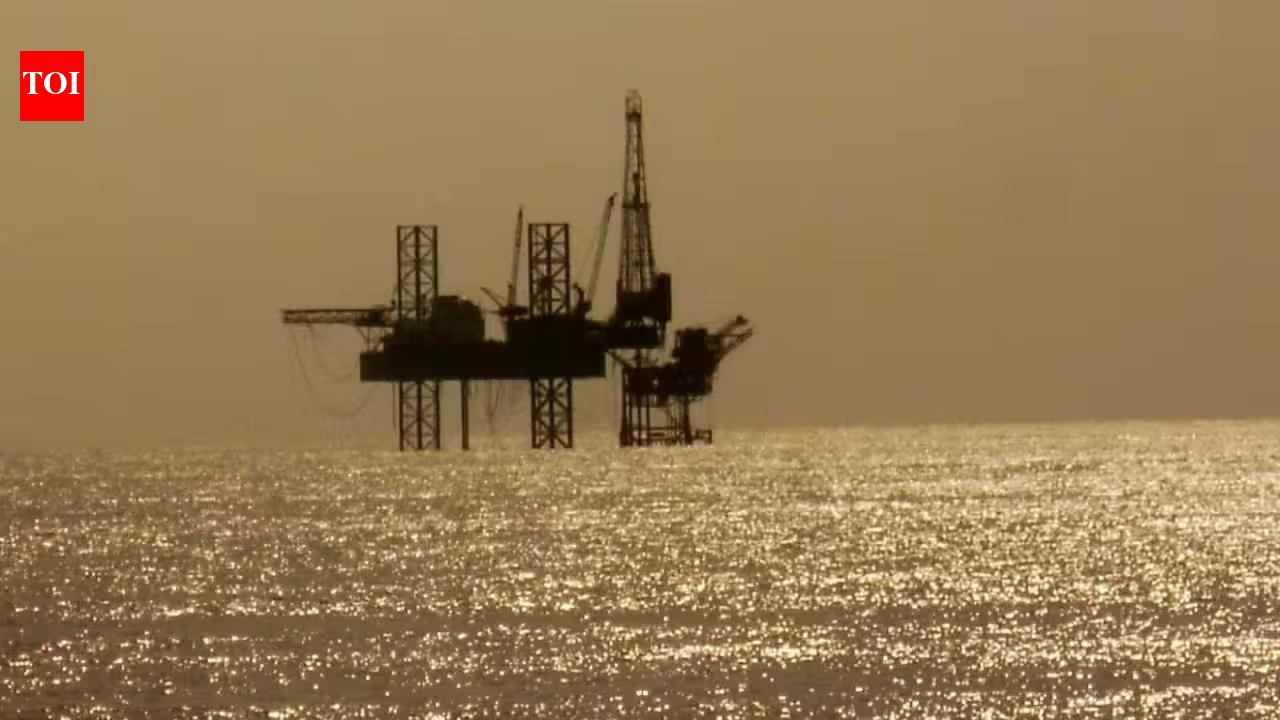
These observations emerge just weeks after the Centre greenlit the ₹84,000 crore "Samudra Manthan" national offshore exploration scheme, an ambitious initiative designed to accelerate deepwater oil and gas exploration and mitigate India’s substantial reliance on imported crude. Given that India imports nearly 90% of its crude oil requirements, the panel underscored the critical importance of ensuring that higher investments translate into tangible gains in domestic production.
The committee expressed dissatisfaction with the petroleum ministry’s initial response, which, while listing several policy initiatives, failed to adequately explain how the increased spending would lead to higher output. Characterizing the response as "interim," the committee has called for a detailed report outlining the expected production gains from newly awarded exploration blocks and major capital investments over the medium term.
While acknowledging the inherent long gestation periods associated with exploration projects and the natural decline in output from mature oilfields, the panel emphasized that such substantial investments must be underpinned by clear performance benchmarks, rigorous periodic evaluation, and robust accountability mechanisms.
"The real returns on these massive investments must reflect in reversed production curves – changing the trajectory of oil or gas output from a period of continuous decline to a period of growth or stabilisation," the report asserted, underscoring the urgent need for a strategic shift in the sector’s performance.
In its earlier reply, the petroleum ministry had outlined a series of measures aimed at boosting domestic exploration and production. These included the award of 38 offshore exploration blocks under Open Acreage Licensing Policy (OALP) Rounds VIII and IX over the past three years. Furthermore, OALP Round X, launched in April, has offered another 25 blocks spanning nearly 1.9 lakh sq km.
The ministry also highlighted the crucial decision to release nearly 1 million sq km of offshore "no-go" areas for exploration, alongside the allocation of approximately ₹7,500 crore for seismic surveys and stratigraphic drilling. Fiscal incentives to encourage enhanced oil recovery from mature fields were also cited as part of the government’s strategy to revitalize the sector.
The parliamentary committee’s scrutiny signals a growing demand for greater transparency and demonstrable results from significant public investments in the energy sector. As India strives for energy security, the effectiveness of these financial commitments in reversing the declining trend of domestic oil and gas production will be a key determinant of its future success. The upcoming detailed report from the petroleum ministry is expected to shed more light on the concrete strategies and timelines for achieving these critical production gains.