








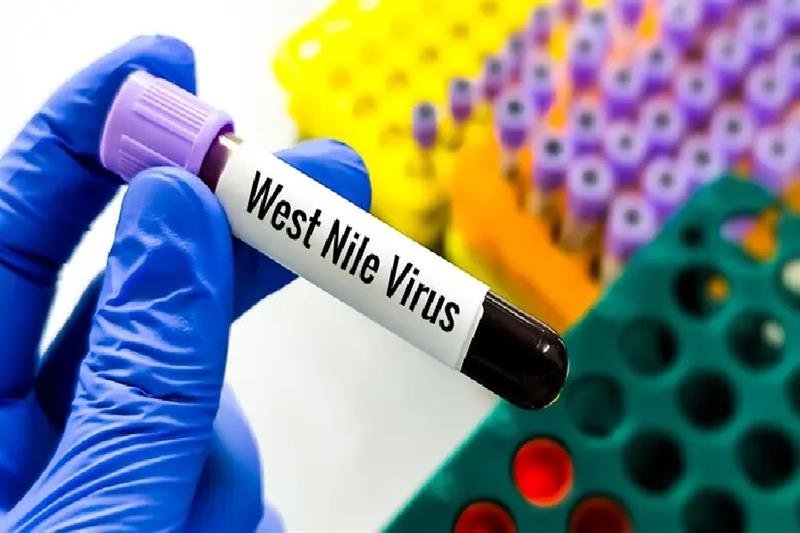
Greek health authorities have issued a stark warning following a notable surge in West Nile virus infections across the nation. The Hellenic National Public Health Organization (EODY) revealed a substantial increase in reported cases, which has tragically led to nine fatalities thus far. This alarming development has prompted immediate action, with officials in Athens intensifying fumigation efforts in a bid to control the mosquito population responsible for transmitting the virus.
The rise in West Nile virus cases underscores the persistent public health challenge posed by mosquito-borne diseases, particularly during warmer months. These infections, while often asymptomatic or presenting with mild flu-like symptoms, can in some instances progress to severe neurological illnesses such as encephalitis or meningitis, especially in vulnerable populations. The reported deaths highlight the serious consequences that can arise from this viral infection. Public health campaigns are crucial in raising awareness about preventive measures, including the elimination of stagnant water sources where mosquitoes breed and the use of insect repellents. Continued surveillance and rapid response protocols are essential for mitigating further spread and protecting the population from this vector-borne disease. The situation is a timely reminder for individuals to adopt proactive strategies to safeguard their life-style and well-being.