





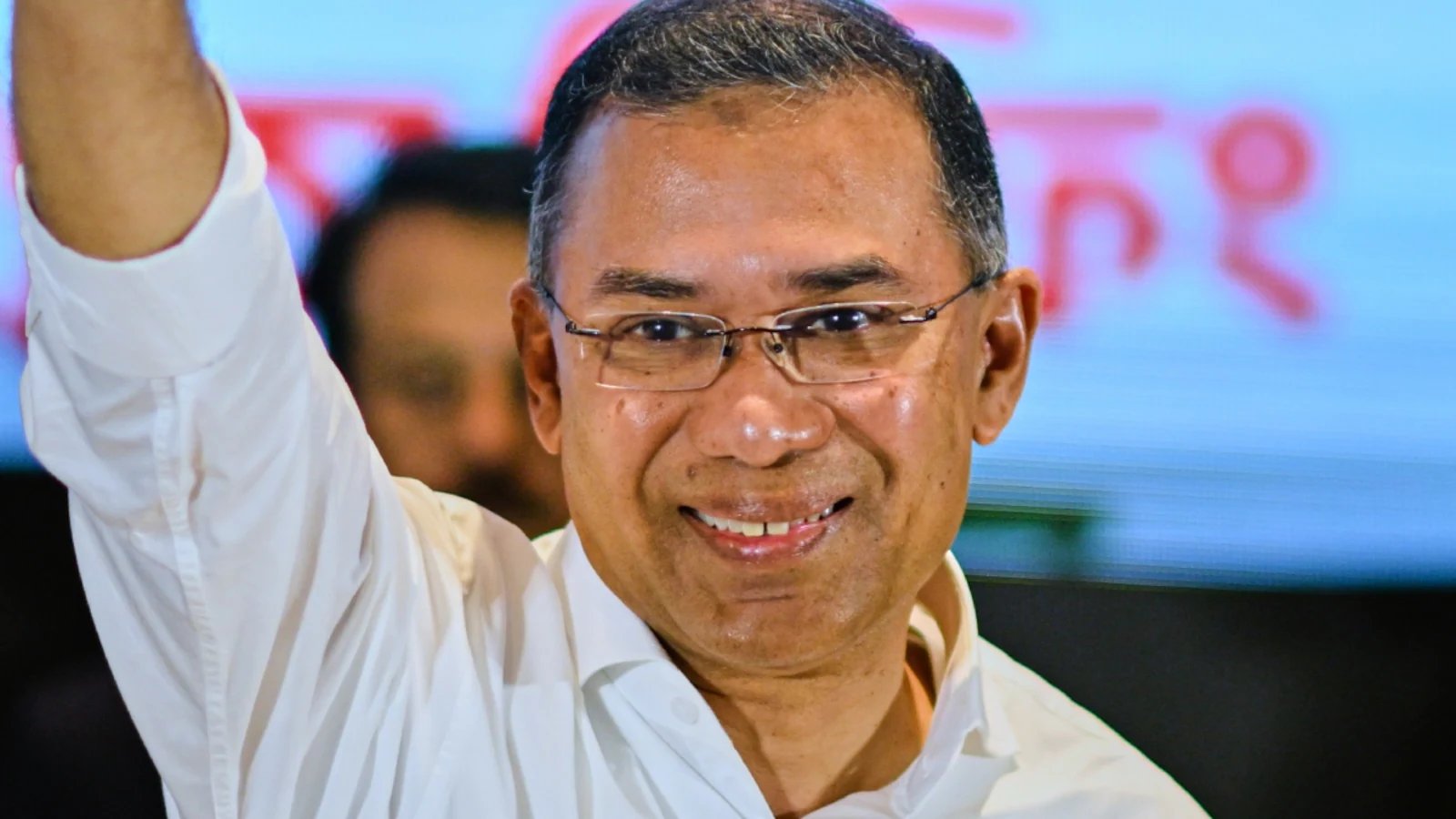
New Delhi is preparing to host Bangladeshi Prime Minister Tarique Rahman in the second half of the coming week, marking his inaugural visit to India since assuming office. This trip is anticipated to be a pivotal moment for bilateral relations between the two neighboring nations, according to sources in both Delhi and Dhaka.
The itinerary includes a crucial meeting with Prime Minister Narendra Modi, where discussions are expected to encompass a broad spectrum of bilateral issues. Key agenda points include trade relations, enhancing connectivity, energy cooperation, border management strategies, and regional security concerns. The visit is currently planned as a two-day bilateral engagement, with the precise schedule still being finalized by officials familiar with the ongoing discussions. India had extended an invitation to Rahman shortly after he took power in February, and has also invited Bangladesh to participate in the BRICS outreach session scheduled for September in the capital.
The meeting between Prime Minister Modi and Prime Minister Rahman will be closely observed by both New Delhi and Dhaka. Rahman’s return to power has significantly reshaped Bangladesh’s political landscape, necessitating a recalibration of India’s approach to its neighbor. Relations have been strained since the fall of Sheikh Hasina’s government in August 2024, leading to disagreements between the two countries, particularly concerning Hasina’s presence in India and Bangladesh’s request for her extradition.
Despite these recent challenges, the new BNP government in Bangladesh has expressed its desire to foster cooperation with India. Recent diplomatic exchanges signal a renewed effort to improve ties. Bangladeshi Foreign Minister Khalilur Rahman visited New Delhi in April for talks with External Affairs Minister S Jaishankar, and Indian High Commissioner Dinesh Trivedi met with Prime Minister Rahman in Dhaka on August 10 to discuss ways to enhance the atmosphere between the two nations.
A significant and contentious issue on the agenda is Bangladesh’s request for the extradition of Sheikh Hasina. Hasina departed Bangladesh on August 5, 2024, and has since been residing in India. Dhaka formally requested her extradition after a Bangladeshi tribunal sentenced her to death for crimes against humanity. India has stated that the request is under examination through appropriate legal and diplomatic channels. The controversy resurfaced recently when Hasina engaged virtually with journalists in New Delhi, eliciting an angry response from Dhaka, which asserted that Indian territory should not be utilized for political activities against Bangladesh. New Delhi, however, denied any involvement in organizing the event. Sources indicate that the extradition issue was also discussed during Rahman’s recent meeting with the Indian high commissioner, underscoring the need for both governments to address this dispute without jeopardizing the broader bilateral relationship.
Beyond political sensitivities, a substantial list of practical challenges awaits resolution. Discussions are expected to focus on facilitating trade and transit, expanding energy cooperation, improving border management, and strengthening connectivity. Given the extensive shared land border and existing strong economic and transport links between India and Bangladesh, any positive shift in political relations is expected to yield swift and tangible benefits in these areas.
Another critical matter likely to dominate discussions is water sharing. The Ganges Water Sharing Treaty, signed in 1996, is slated to expire in December. Discussions regarding its renewal are anticipated to become more prominent as the deadline approaches. Furthermore, Dhaka has sought increased cooperation from India on various economic and trade fronts. New Delhi holds a significant stake in maintaining stable relations with Bangladesh, not only due to their shared border but also owing to Bangladesh’s strategic geographical location and its crucial connections with India’s northeastern states.
This planned visit carries profound significance as both nations appear eager to restore a sense of normalcy to their relationship. While it is not expected to resolve all outstanding disputes immediately, direct talks between Prime Minister Modi and Prime Minister Rahman could establish a vital political channel for addressing differences. The visit will provide Rahman an opportunity to directly convey Dhaka’s position to the Indian leadership, while for Prime Minister Modi, it will be a chance to articulate New Delhi’s expectations from the new Bangladeshi government.
Although the exact dates are still being finalized, if the visit proceeds as planned, it will serve as the first major test of the evolving political relationship between India and Bangladesh. The immediate objective is to re-establish dialogue and prevent complex issues from overwhelming the overall bilateral engagement.