








When the federal government initiated a new program in July, depositing a $1,000 seed contribution into what are being called Trump Accounts for eligible children, financial expert George Kamel of Ramsey Solutions promptly claimed the funds for his own son. While appreciating this financial boon from the government, Kamel, a father of two young children, expressed his enthusiasm for receiving "a little money back" from Uncle Sam. However, he also issued a significant caution to parents nationwide regarding the intricate tax implications of this program and the potential for families to make costly errors despite their good intentions.
Kamel highlighted the educational value of the Trump Account initiative, explaining that it serves as an excellent introduction to the principle of compound growth. He stated, "If you can understand the power of compound growth, then this Trump Account was worth it just to get your mind thinking about it." Yet, he critically pointed out a major drawback: "But the truth is, the tax benefits are not great on this."
The program, which became available in 2026 as part of broader tax legislation, provides an initial $1,000 to every eligible newborn U.S. citizen whose parents enroll them. No initial contributions are required from parents, although they have the option to deposit up to $5,000 annually into the account, which is then invested in a qualified U.S. stock index fund.
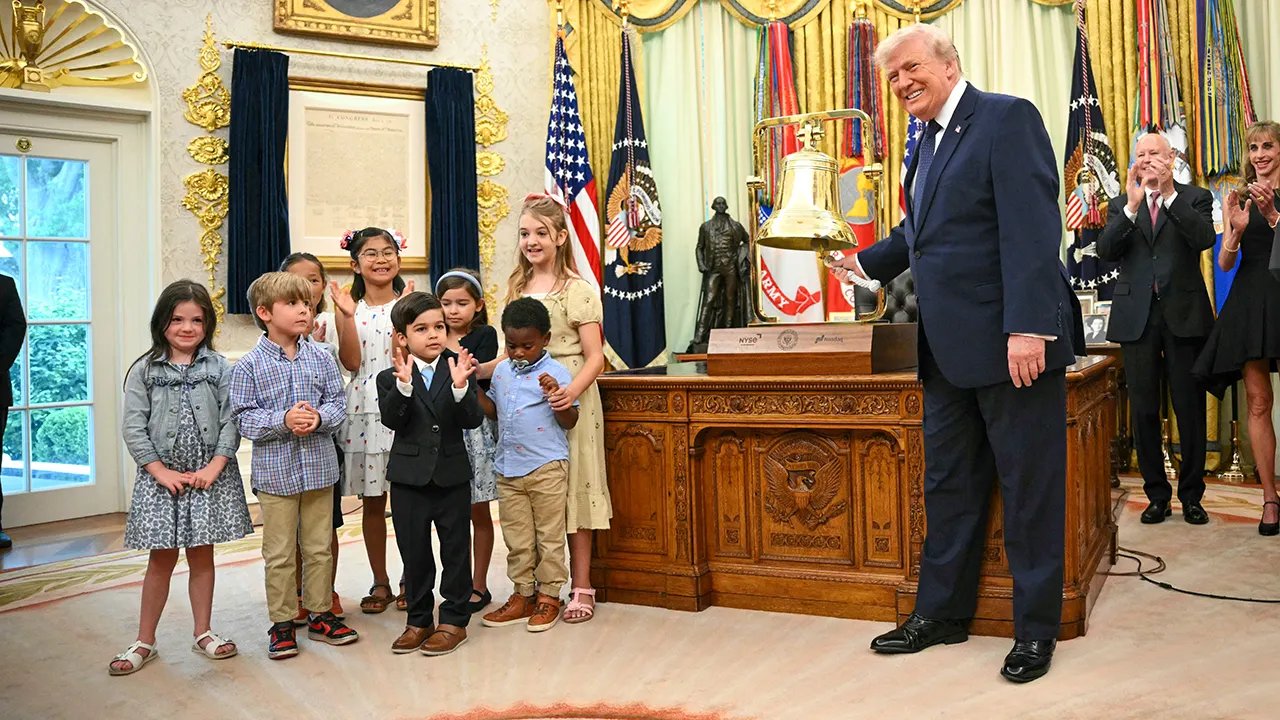
President Donald Trump announced on July 31st that over 7 million Trump Accounts had been opened since the program’s inception. Kamel illustrated the potential long-term growth of these accounts, noting that the initial $1,000 could theoretically grow to nearly half a million dollars or more by the time a child reaches 65, even without any additional parental contributions.
For educational expenses, Kamel strongly advocated for the 529 plan, emphasizing its superior tax advantages. He explained that contributions to a 529 plan are made with after-tax income, but withdrawals for qualified educational expenses are tax-free, and the investments grow tax-free. He described it as "the best move for education expenses." While acknowledging the benefits of a custodial Roth IRA, he noted its requirement for earned income, which makes the Trump Account’s lack of such a requirement a significant advantage.
Projections suggest that an account, without further contributions, could be valued at approximately $5,800 by the child’s 18th birthday. By age 55, it could reach an estimated $200,000, and potentially soar to about $5 million by age 65.
However, Kamel’s most pressing concern and primary warning were directed at parents who prioritize investing for their children without first securing their own financial stability. He stressed the importance of addressing personal debt, building an emergency fund, and consistently saving for retirement before allocating funds for children’s investments. He articulated this critical hierarchy by saying, "I love that we’re bringing this conversation to the forefront with these Trump Accounts… But the sad truth is most Americans aren’t investing for themselves, let alone have the ability to invest for their kids."
He underscored the importance of parents taking care of their own financial future to avoid burdening their children. Many younger generations, he observed, find themselves supporting aging parents who failed to plan for retirement, thus creating a significant financial strain. Kamel’s personal motivation is to prevent his own children from facing such challenges. He expressed hope that by embracing the concept of compound growth early, parents can leave a lasting financial legacy, empowering their children with a significant head start. For more news and updates on current financial topics, you can visit Google News.