








Wildlife conservation organizations operating throughout the Southern regions of the UK are expressing grave concerns over the profound and unparalleled effects that this summer’s relentless heatwaves have had on the native wild animal populations. This alarming declaration follows the Met Office’s recent announcement that the year 2026 is projected to become the United Kingdom’s warmest summer ever recorded, a benchmark spanning nearly two centuries of meteorological data.
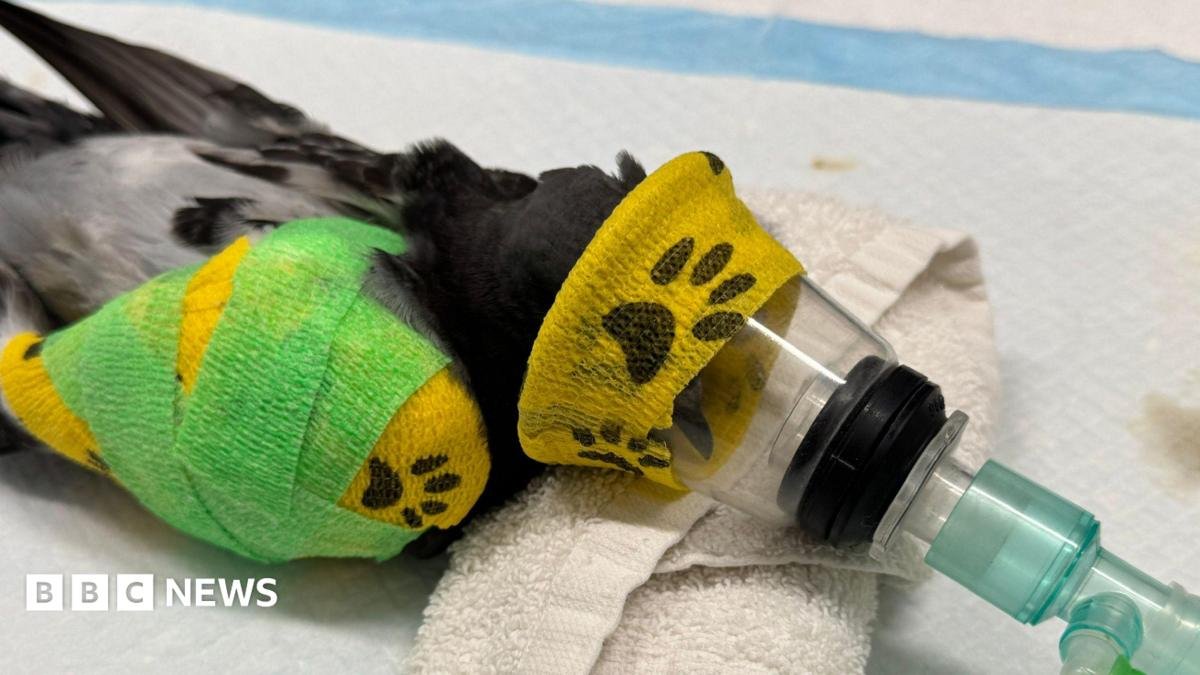
The unprecedented climatic conditions have led to a significant surge in calls for assistance received by wildlife rescue charities, far exceeding their typical seasonal averages. This indicates a widespread distress among a diverse range of species, all requiring urgent intervention and support. Anne Brummer, who oversees the operations of Harper Asprey Wildlife Rescue situated on the border of Berkshire and Surrey, emphasized the interconnectedness of ecosystems, explaining that the adverse impact on a single species can trigger a cascade of detrimental effects throughout the entire biological community. She highlighted observable changes, such as trees exhibiting premature fruiting, which typically serves as a crucial food source for many bird species during the winter months. This disruption poses a substantial threat, particularly to migratory birds, who will arrive to find their vital food reserves diminished, leading to potentially devastating consequences for their survival.