








The Jammu & Kashmir Forest Department has taken a decisive and critical stance against the Wildlife Trust of India (WTI), officially blacklisting the prominent non-governmental organization. This severe action stems from grave concerns regarding the reliability and scientific integrity of the data submitted by WTI for its proposed Tatakuti Conservation Plan. The department alleges that the field surveys conducted by WTI were fundamentally flawed, leading to the collection of unscientific and ultimately unreliable biodiversity data within the critical wildlife reserves situated in the Pir Panjal mountain range.
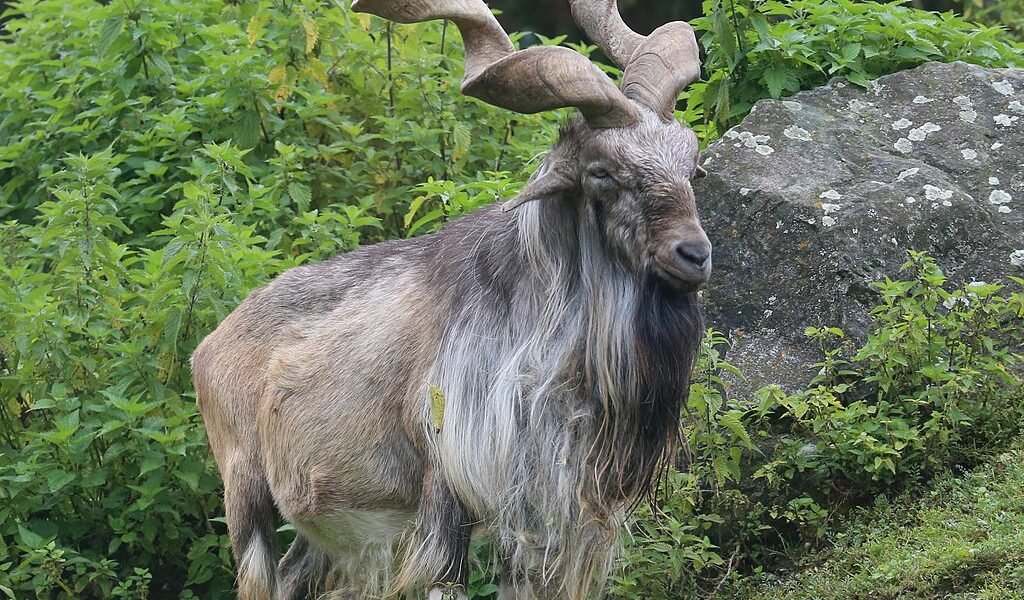
This controversy has cast a significant shadow over wildlife conservation efforts in the region, particularly impacting the planned initiatives for the Tatakuti Wildlife Sanctuary. The department’s official statement highlights a profound distrust in WTI’s methodologies, directly challenging the foundational information intended to guide crucial conservation strategies. Such an accusation from a governmental body against a well-known NGO underscores the paramount importance of robust and verifiable scientific research in environmental protection. The implications of these allegations are far-reaching, potentially delaying or even derailing vital projects aimed at safeguarding the diverse ecosystems and species, including the elusive Astore markhor, within the Pir Panjal region. This development emphasizes the intricate relationship between data accuracy, scientific rigor, and effective wildlife conservation efforts in India. The incident also serves as a stark reminder of the rigorous standards expected from organizations involved in such sensitive environmental assessments. The credibility of future biodiversity assessments in the region could hinge on how this particular dispute is resolved and what corrective measures are implemented to ensure data integrity.
For further information on environmental news and developments within the region, readers can explore additional content on environmental protection.