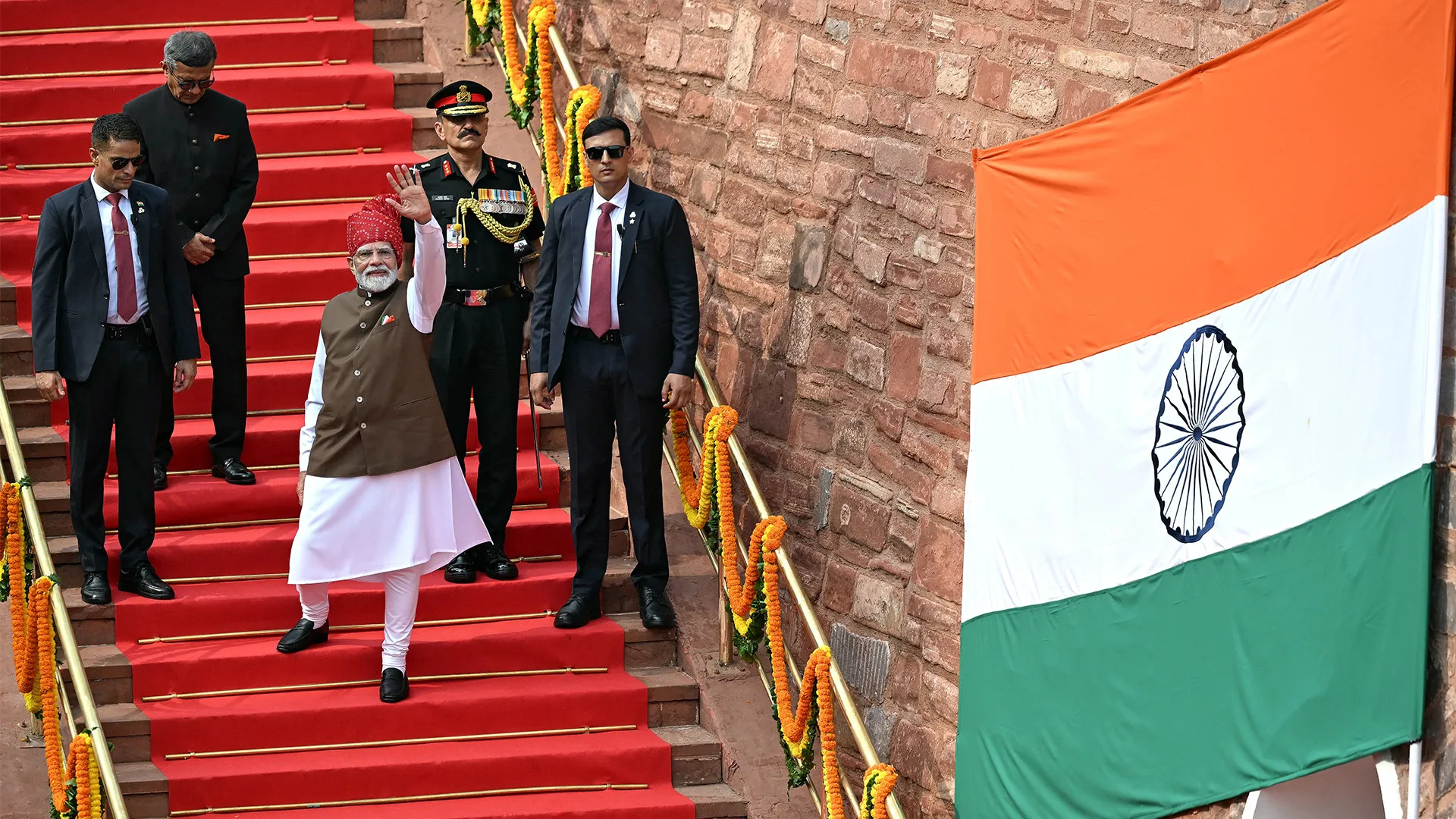








Prime Minister Narendra Modi, in a powerful address commemorating India’s Independence Day, articulated a bold vision for the nation’s future, aiming to elevate it to the status of a developed economy by the year 2047. This ambitious trajectory hinges significantly on a multi-faceted approach, prioritizing self-reliance across various critical sectors. A cornerstone of this strategy involves a substantial push in semiconductor manufacturing, recognizing its pivotal role in the modern technological landscape and global supply chains. Beyond microchips, the Prime Minister underscored the importance of harnessing artificial intelligence (AI) as a transformative force for economic growth and societal advancement. Further cementing India’s long-term energy and strategic independence, a strong emphasis was placed on the expansion and utilization of nuclear power, indicating a commitment to sustainable and high-capacity energy solutions. This comprehensive plan, dissecting the path towards a more prosperous and technologically advanced India, was a key topic of discussion when Bloomberg News Senior Reporter Dan Strumpf joined Joe Mathieu and Carol Massar on Bloomberg This Weekend, offering valuable insights into the implications and potential challenges of Modi’s proposed reforms. This strategic focus on advanced technologies and energy independence reflects a broader trend in India’s economic development, aiming to position the country as a significant player on the global stage.
Watch Modi Puts Chips, Nuclear Power at Heart of India Push