






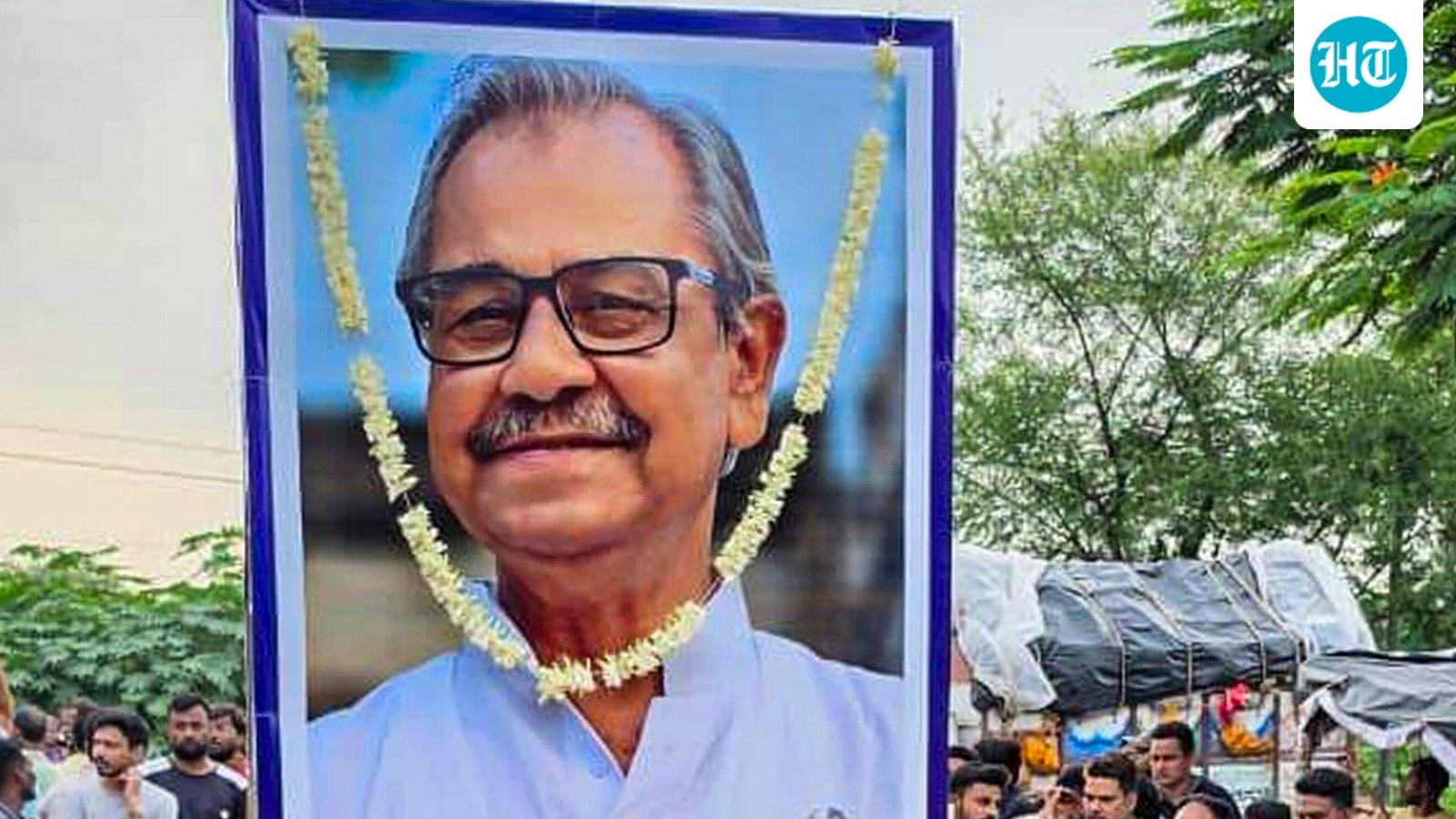
The sudden death of Asish Banerjee, a veteran leader of the Trinamool Congress (TMC) and former Deputy Speaker of the West Bengal assembly, has ignited a fierce political debate across the state, with initial findings pointing towards a suspected suicide. Banerjee, at 75 years old, was discovered deceased on Sunday at a party office located adjacent to his residence in Rampurhat. His family grew concerned when he became unresponsive to calls and subsequently alerted law enforcement, who then made the grim discovery.
Authorities investigating the scene found a note, reportedly penned by Banerjee on his official letterhead. In this poignant message, he explicitly denied any involvement in corrupt practices, asserting that there were concerted efforts to tarnish his reputation. While the police have referenced the note, its authenticity is yet to be independently verified. The alleged suicide note also contained a deeply personal reflection, where Banerjee expressed regret over his entry into politics and advised his family members against pursuing a similar path. Specifically, the note reportedly clarified that he was not implicated in the tender processes of the Tarapith-Rampurhat Development Authority (TRDA), a key regional development body where he served as chairman from 2016 to 2026.
The TRDA, a West Bengal government entity, is responsible for urban planning and development within the Tarapith-Rampurhat region of Birbhum district. It has been the subject of scrutiny, with the Bharatiya Janata Party (BJP) alleging various irregularities and corruption, particularly concerning sand tender allocations. Although the BJP’s allegations did not directly target Banerjee, his previous leadership role at the TRDA has placed him at the periphery of these claims. District police superintendent Vidit Raj Bhundesh confirmed that no official First Information Report (FIR) has been filed regarding these allegations, nor has any formal complaint been lodged.
Following Banerjee’s death, there have been widespread calls from various political factions for a comprehensive investigation. The TMC, led by former Chief Minister Mamata Banerjee, has accused the state’s ruling BJP of orchestrating a systematic campaign to vilify the deceased leader. In a post on social media platform X, Mamata Banerjee lamented the “harassment and mental pressure” her long-serving colleague endured, urging for a reflection on the “human cost of relentless political hostility.” Similarly, TMC national general secretary Abhishek Banerjee labeled the 75-year-old as a victim of an unrelenting smear campaign, emphasizing the tragic human consequences of political rhetoric.
However, counter-accusations have emerged from the BJP and a rival faction within the TMC led by Ritabrata Banerjee. They suggest that “corrupt” TMC leaders might have intimidated Banerjee. Chief Minister Suvendu Adhikari, dismissing the notion that Banerjee was under official investigation for corruption, highlighted that no case was registered against him, nor had he received any police notices. Adhikari speculated that internal threats from corrupt individuals within the TMC, potentially in connection with a probe, could have coerced Banerjee. He pointed out that Banerjee had distanced himself from the Mamata faction of the TMC, urging for an examination of call records and a thorough verification of the purported suicide note. Ritabrata, the Leader of Opposition in West Bengal, echoed these sentiments, suggesting that innocent party members often bear the brunt of “organised loot and legal mistakes” committed by a select few within the TMC, leading to public humiliation.
Banerjee, a respected TMC veteran, also held a position as an associate lecturer of Bengali at Rampurhat College. He had an impressive political record, having won the Rampurhat assembly seat five consecutive times from 2001, only to suffer a defeat to the BJP’s Dhruba Saha in the recent elections. Saha himself acknowledged Banerjee’s stature, stating, “I sought his blessings after winning the seat.”
A poignant detail emerged from his brother, Prashanta, who recounted that Banerjee spent Saturday night in seemingly normal conversation with family members until around midnight. “We ate together,” Prashanta recalled, adding that he was among the first to discover his brother inside the party office on Sunday. This incident adds a tragic dimension to the complex tapestry of Indian politics, highlighting the intense pressures and personal toll that can accompany a career in public service. The ongoing developments surrounding the death of Asish Banerjee continue to unfold, with calls for a thorough and impartial investigation into the circumstances surrounding this deeply unsettling event.