







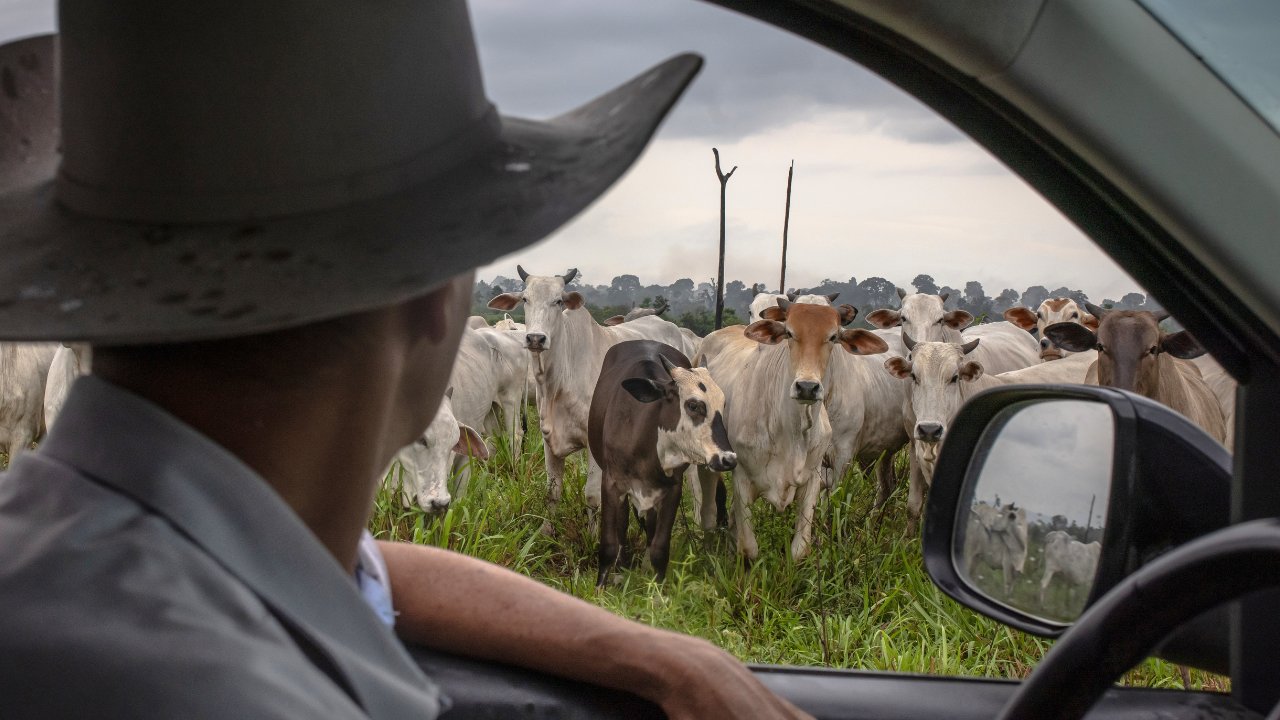
The United States is currently grappling with a severe and protracted historic shortage of cattle, reaching its lowest numbers in 75 years. This unprecedented decline in the domestic herd is creating ripple effects across the entire meat industry, from the pastures of American ranchers to the shelves of grocery stores, ultimately impacting consumers’ wallets. Nate Rempe, the President and CEO of Omaha Steaks, highlights the gravity of the situation, noting that beef prices have already surged by 13%. He offers a rather bleak forecast, suggesting that any significant recovery in herd numbers and a corresponding reduction in prices are unlikely to materialize before 2028 or even 2029.
The implications of this scarcity are profound, particularly for major meatpackers. Tyson Foods, a behemoth in the industry, recently announced its strategic decision to close beef processing facilities in Illinois and Utah, while also exploring the sale of another in Washington state. This restructuring is a direct response to what the company describes as one of the most significant cattle shortages the nation has ever faced, a condition that recent USDA data suggests will persist for the foreseeable future. The latest figures from the USDA reveal that the U.S. entered 2026 with approximately 86.2 million cattle and calves, marking the smallest herd size since the early 1950s. This represents a substantial decrease of over 8 million animals from the roughly 94.7 million recorded in 2019.
Rebuilding this depleted supply chain is an arduous undertaking that will demand considerable time, primarily because the underlying factors contributing to the decline have been accumulating for years. A primary culprit in this agricultural crisis is the persistent and widespread drought. Eric Belasco, who heads the agricultural economics department at Montana State University, explains that years of arid conditions have severely depleted grasslands across the Western and Plains states. This environmental adversity has left ranchers without adequate feed or water to sustain their herds, forcing many into the difficult position of selling off cattle prematurely. Crucially, this includes the sale of cows essential for producing the next generation of calves, thereby extending the timeline for any potential recovery.
The consequences of this supply crunch are not confined to the agricultural sector; they are readily apparent in the retail market. Consumers are experiencing a noticeable increase in the cost of beef. USDA data indicates that the retail price of Choice beef climbed from about $8.51 per pound in August 2024 to $10.49 per pound in July 2026, representing a significant increase of approximately 23%. This upward pressure on prices is a direct result of the long-standing cattle supply crunch. For American consumers hoping for some relief at the butcher counter, the path to more affordable beef begins with the arduous and time-consuming process of replenishing the nation’s cattle herds, a journey that industry experts agree will span several years.