






The war’s environmental profile
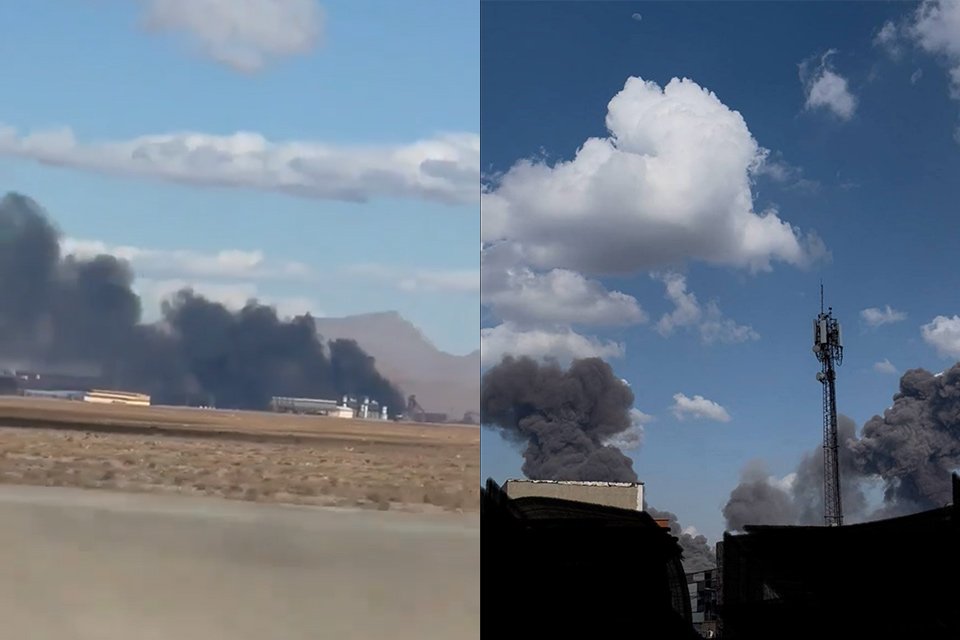
Interest in the war’s environmental dimensions remains high, with extensive media coverage. Factors driving this attention include the nature of targets damaged — burning oil facilities provide visually arresting images, particularly when they occur in urban areas — and the pre-existing sensitisation of media platforms that have carried similar coverage on Ukraine.
A statement released by UNEP on March 13th echoed the concerns of those tracking damage; a task that has been challenging due to the challenging information space. The internet blackout in Iran has limited social media coverage of incidents, while many satellite imagery providers have delayed the release of imagery. That released by conflict parties and several affected countries, has been highly selective in its coverage. It is readily apparent that our understanding of the true extent of damage is partial and that it will be a long time before a more comprehensive picture emerges.
There are increasing signs of environmental information being politicised, with Iran publishing a rapid assessment of the Tehran oil fires in English via its network of embassies, while a complaint of ecocide was submitted to the UN Secretary General. All parties to the conflict appear to be targeting environmentally risky facilities.
Prepared by the CEOBS team. We need your financial support to continue our work.