







Trump Escalates Pressure on Federal Reserve, Calls for Lower Interest Rates
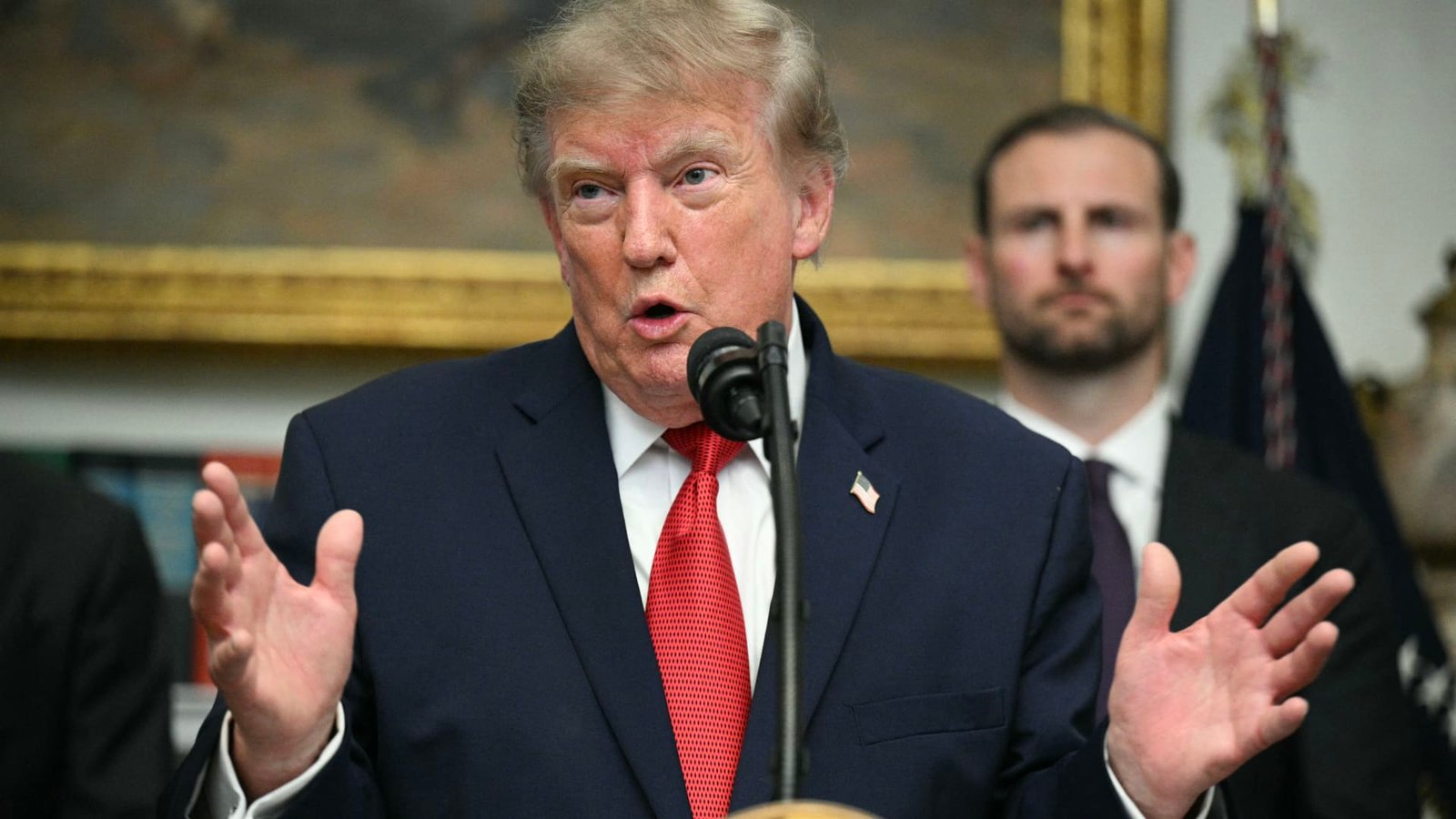
WASHINGTON — President Donald Trump renewed his criticism of the Federal Reserve on Wednesday, voicing frustration that the central bank remains hesitant to adopt a more aggressive policy of interest rate cuts. Despite recent economic growth, the president insisted that the U.S. should be capitalizing on positive data to facilitate cheaper borrowing costs.
While maintaining his signature pressure on the institution, Trump notably exempted his hand-picked Federal Reserve Chair, Kevin Warsh, from his grievances. Trump praised Warsh, who ascended to the post in May, as doing a “great job” in leading the central bank. However, the President directed his ire toward the broader Board of Governors, characterizing the committee as a “political board” influenced by his predecessors.
"The problem is he has a board, and it’s a political board," Trump told reporters at the White House. "People put in by Obama, Biden, and me… I don’t know if they’re doing it because they think they’re doing a good thing or because they like the politics of it."
A Shift in Policy Expectations
The president’s remarks coincide with the release of minutes from the Federal Open Market Committee’s (FOMC) July meeting. The summary revealed that many officials remain cautious, suggesting that further rate hikes could be on the table should inflation fail to make significant progress toward the Fed’s 2% target.
Trump’s frustration stems from a disconnect he perceives between current economic indicators and monetary policy. "Years ago, 25 years ago, when the country announced good numbers, interest rates went down because we had a stronger country," Trump said. "Now, when we announce good numbers, the better they are, the worse it is for interest rates."
He argues that lower rates are essential not only for sustaining growth but also for managing the financial strain of the nation’s nearly $40 trillion debt.
Global Comparisons and Currency Concerns
During the briefing, the president pointed to international benchmarks, specifically citing Switzerland’s near-zero interest rate environment. Trump expressed irritation at the discrepancy between the Swiss rate and the current U.S. benchmark, going so far as to suggest the U.S. could leverage its trade standing to address global interest rate disparities.
"I see countries like Switzerland where they’re the number one lowest interest rates, a half a percent, and we pay three and a half percent," he said. "I have the absolute right to cut off all business with a country like Switzerland."
Market Reaction and Treasury Action
Despite his concerns regarding the cost of debt, Trump dismissed the notion that the U.S. faces a systemic bond market crisis. His comments followed an announcement by the Treasury Department that it would expand its bond buyback program, specifically targeting debt with maturities of at least 10 years. The move is intended to stabilize the market and help lower yields, signaling that the administration remains focused on aggressive intervention to keep financing costs manageable.
As the U.S. economy navigates a cooling growth rate—which hit just 1.5% in the second quarter—the tension between the White House and the Federal Reserve appears likely to intensify. With the annual inflation rate still trending above the 2% goal, the path forward for the FOMC remains a high-stakes balancing act between curbing price pressures and accommodating the president’s call for lower borrowing costs.