






Peter Schiff Warns of Economic Decay and Potential Socialist Surge in 2028
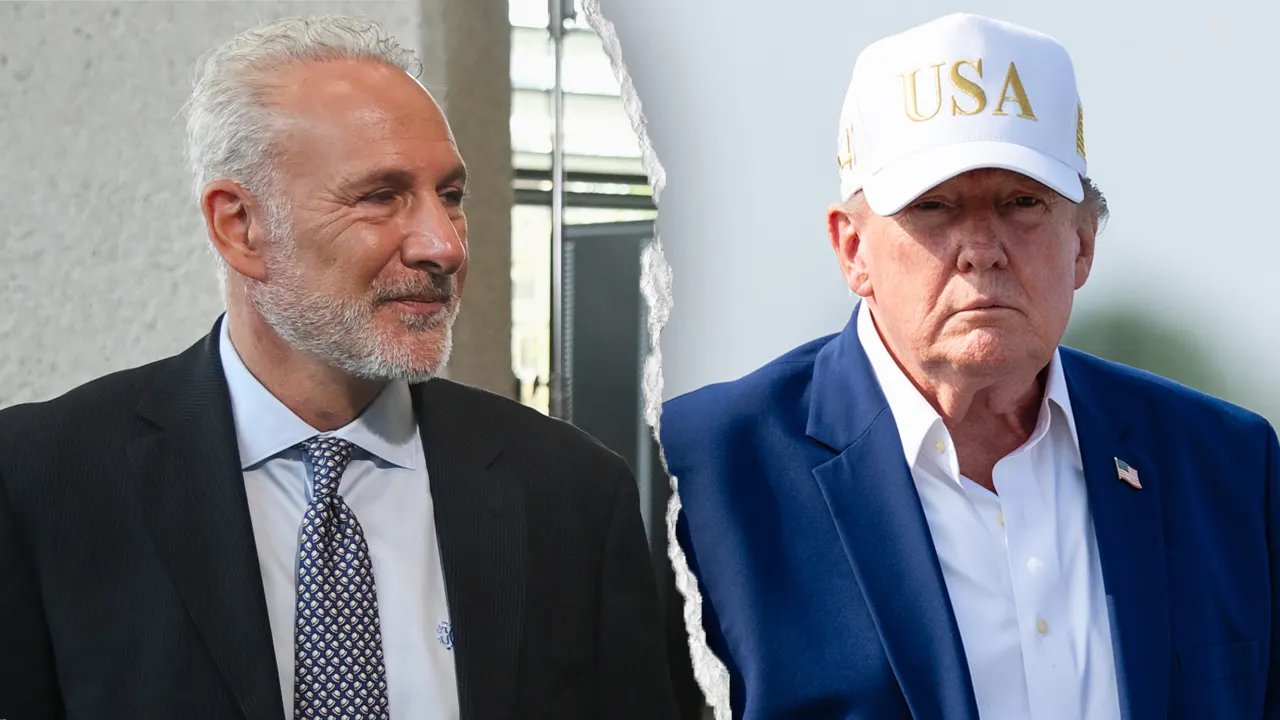
Economic commentator and Euro Pacific Asset Management chief economist Peter Schiff has issued a stark warning regarding the trajectory of the U.S. economy, asserting that the nation is currently in a more precarious position than it was when President Joe Biden concluded his term last year.
In a wide-ranging interview with Fox News Digital on August 19, Schiff criticized the current administration’s performance, suggesting that the promise to reverse previous economic trends has failed to materialize.
"Trump ran promising to fix what Biden broke," Schiff said, noting that the reality has been far different. "He said that prices would come down on day one, yet inflation is a bigger problem now than it was when he was elected."
A Bleak Political Outlook
Schiff’s critique extends beyond fiscal policy into the realm of electoral prospects. He argued that the incumbent administration’s economic struggles have significantly damaged the GOP’s standing with voters. While Republicans currently hold majorities in both the House and Senate, Schiff predicts a difficult road ahead for the party.
He suggested the GOP is at high risk of losing significant ground in the upcoming midterm elections, with a realistic chance of surrendering their Senate majority. Looking further ahead to the 2028 presidential race, Schiff warned of a looming "threat": the potential for a "real Democratic socialist" to capture the White House.
He noted that the Republican party finds itself in an unenviable "predicament," as the necessary fiscal remedies—such as massive spending cuts and deep deregulation—are often viewed as "political suicide" in the current climate.
Addressing the Root Cause: Debt and Central Planning
The U.S. national debt has recently surpassed the $40 trillion mark, a milestone that underscores Schiff’s long-standing concerns regarding sovereign debt and currency stability. According to Schiff, the current state of the U.S. economy is the result of government overreach rather than a failure of free-market principles.
"It’s a failure of central planning, central government, and central banking," Schiff asserted. "It’s big government that interfered with the free market that created the problem." He warned that "stagflation" will likely remain a persistent burden on the American public for years to come, further complicated by a weakening dollar.
Investment Strategy in an Uncertain Market
For investors looking to navigate this volatility, Schiff continues to advocate for a departure from traditional dollar-denominated assets. He recommends that individuals "buy real money"—specifically physical gold and silver—to help preserve purchasing power. Furthermore, he encourages investors to diversify into international stock markets as a hedge against the domestic currency decline.
Schiff maintains that without a drastic pivot toward free-market forces and a reduction in the size of the federal government, proposed regulatory or tax-based solutions will only exacerbate the structural issues currently plaguing the nation.
"We need to rein in government," he concluded. "We need massive cuts to government spending, deregulation, and we need free-market forces."