






From Strongman to "Friend": Prime Minister Modi’s Pivot to Capture India’s Gen Z
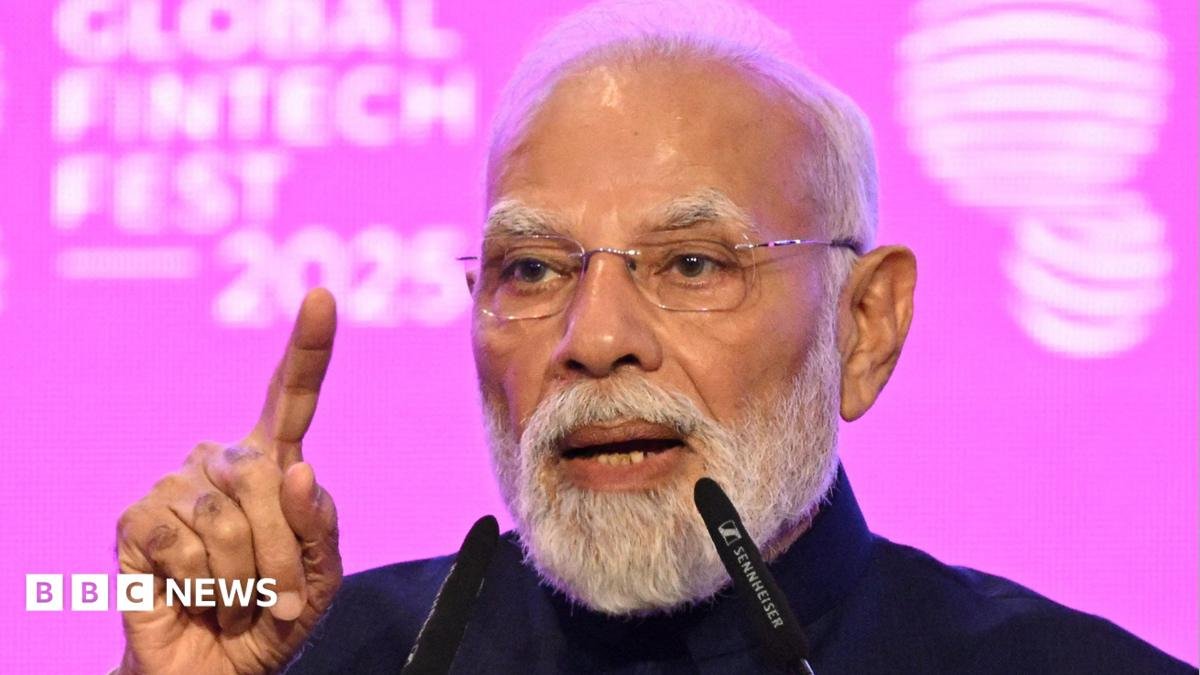
For over a decade, Indian Prime Minister Narendra Modi has projected an image of an immovable, authoritative leader, defined by carefully choreographed appearances, formal state broadcasts, and scripted oratory. But as the political landscape shifts beneath him, the 75-year-old leader is attempting a radical rebrand: moving away from the podium and into the scrolling feeds of India’s youth.
In recent weeks, Modi’s Instagram presence—a powerhouse platform where he boasts over 106 million followers—has undergone a metamorphosis. Once a curated gallery of high-definition state craft, his timeline now features "get-ready-with-me" style reels and informal, selfie-angle addresses. In a departure from his traditional formal address, he now frequently refers to his younger viewers as "friends," and has even begun adopting the vernacular of internet subculture to bridge the generational divide.
A Strategy Forced by Disruption
This digital pivot marks a departure from the Bharatiya Janata Party’s (BJP) long-standing, disciplined social media strategy. Since the 2014 elections, the BJP has been widely credited with mastering the "digital playbook," leveraging massive networks on WhatsApp, Facebook, and X to amplify its nationalist agenda. However, this top-down approach has struggled to keep pace with the evolving digital habits of India’s youngest voters.
The impetus for this change appears to be the recent emergence of grassroots youth activism. Earlier this year, a wave of protests led by the satirical "Cockroach Janta Party" (CJP) caught the political establishment off guard. By utilizing memes, livestreams, and viral Instagram reels, the movement successfully translated online dissatisfaction into real-world political pressure, ultimately forcing the resignation of a federal minister.
"For more than a decade, the party has built one of India’s most formidable political forces online," notes author and commentator Anurag Minus Verma. "But young Indians consume content and politics differently."
The 2029 Demographic Stakes
With over 60% of India’s population under 35, the demographic reality is impossible to ignore. Analysts expect Generation Z—those born between 1997 and 2012—to constitute one of the nation’s most influential voting blocs by the 2029 general election. For the BJP, capturing this demographic means mastering the art of "authentic" content, where unfiltered, personal engagement often outweighs traditional, rigid political messaging.
However, the transition has been far from seamless. When Modi attempted to address ongoing youth protests through a selfie-style video, the reception was largely marked by irony. Users seized upon a noticeably long pause after the Prime Minister addressed his audience as "friends," turning the moment into a viral sensation. The internet responded with a flurry of edits and memes, mocking everything from his lighting to his camera angles.
Despite the mockery, the Prime Minister’s digital team continues to push forward, even deploying modern internet slang—such as adopting phrases like "first in my bloodline"—to attempt a connection with students at graduation ceremonies.
Whether this shift is a genuine attempt to modernize his image or a calculated move to mitigate the influence of youth protests remains a subject of intense debate. For now, the world is witnessing a unique experiment in political communication: a veteran leader trying to find his footing in a digital ecosystem where Gen Z holds the keys to the conversation.