







From Box Office Flop to Cultural Icon: How Raj Kapoor’s ‘Mera Naam Joker’ Conquered Russia
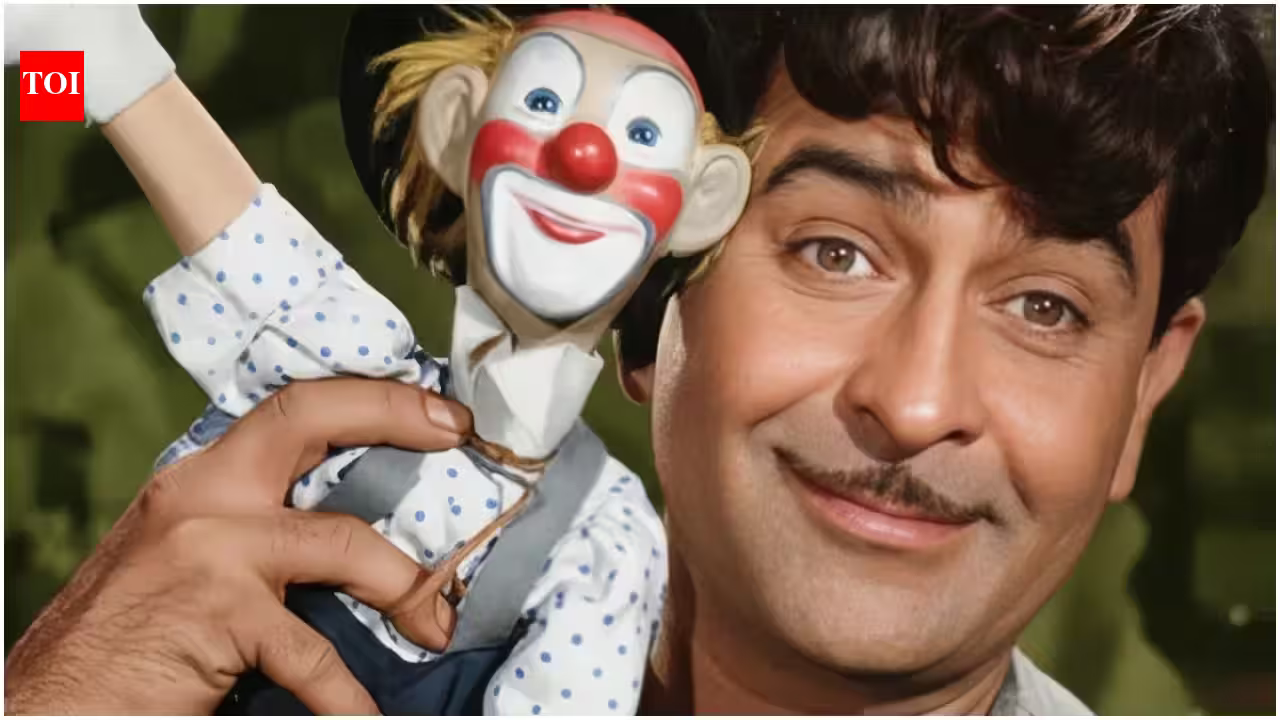
In the annals of Indian cinema, few films carry a narrative as poignant or as paradoxical as Raj Kapoor’s 1970 magnum opus, Mera Naam Joker. A sprawling, deeply personal epic spanning three hours and 44 minutes, the film was the ultimate gamble for the legendary showman. Despite pouring his heart and every penny of his fortune into the project, the film met with a lukewarm reception at the Indian box office, failing to resonate with local audiences at the time of its release.
Yet, while it struggled in India, the film found an unlikely second life—and massive success—half a world away. Two years after its debut, the film was released in the Soviet Union in 1972, where it transcended language barriers to become a cultural phenomenon.
A Financial and Cultural Triumph
The figures tell a remarkable story: Raj Kapoor sold the distribution rights for the Soviet market for approximately Rs 15 lakhs. The film went on to rake in a staggering Rs 17 crore, cementing its status as one of the most successful international exports in Bollywood history. To this day, Mera Naam Joker remains a cornerstone of Indian cinema’s legacy in Russia.
But what drove this unexpected success? Analysts and cultural historians point to a "perfect storm" of geopolitical and social circumstances. In the early 1970s, the Soviet Union had effectively closed its doors to Western cinema. With Hollywood dramas strictly banned, the Russian public was starved for high-quality, emotionally resonant entertainment.
Bollywood, and Raj Kapoor in particular, stepped into that vacuum. The themes of love, loss, and the "clown" who masks his personal sorrow with a smile—the central motif of Mera Naam Joker—proved to be a universal language. Furthermore, the film featured Russian actress Kseniya Ryabinkina, providing a tangible link that drew audiences into the story.
The "Raj Kapoor" Brand
The success of Mera Naam Joker was not an isolated incident; it was the result of years of brand building. Long before the 1972 release, Raj Kapoor was already a household name in the Soviet Union thanks to the massive popularity of his earlier masterpieces, Awara and Shree 420.
Kapoor was more than an actor; he was a cultural ambassador who frequently visited the country to promote his work. This helped cultivate a deep, enduring bond between him and his Soviet fans. As one internet observer noted, the appeal of these films was multi-layered: they were non-political, family-oriented, and centered on struggles that resonated with the working masses of the socialist state.
A Lasting Legacy
The impact of this era is still felt today. Anecdotes abound of tourists visiting Moscow even decades later and hearing the iconic tunes of "Mera Joota Hai Japani" emanating from the cabs of elderly drivers.
While tastes have evolved and the global film landscape has transformed, the stature of Mera Naam Joker remains undiminished. It stands as a testament to the power of storytelling to create a bridge between cultures, proving that even a "failed" masterpiece can find its true home given the right audience, the right timing, and the indomitable spirit of a visionary like Raj Kapoor.