









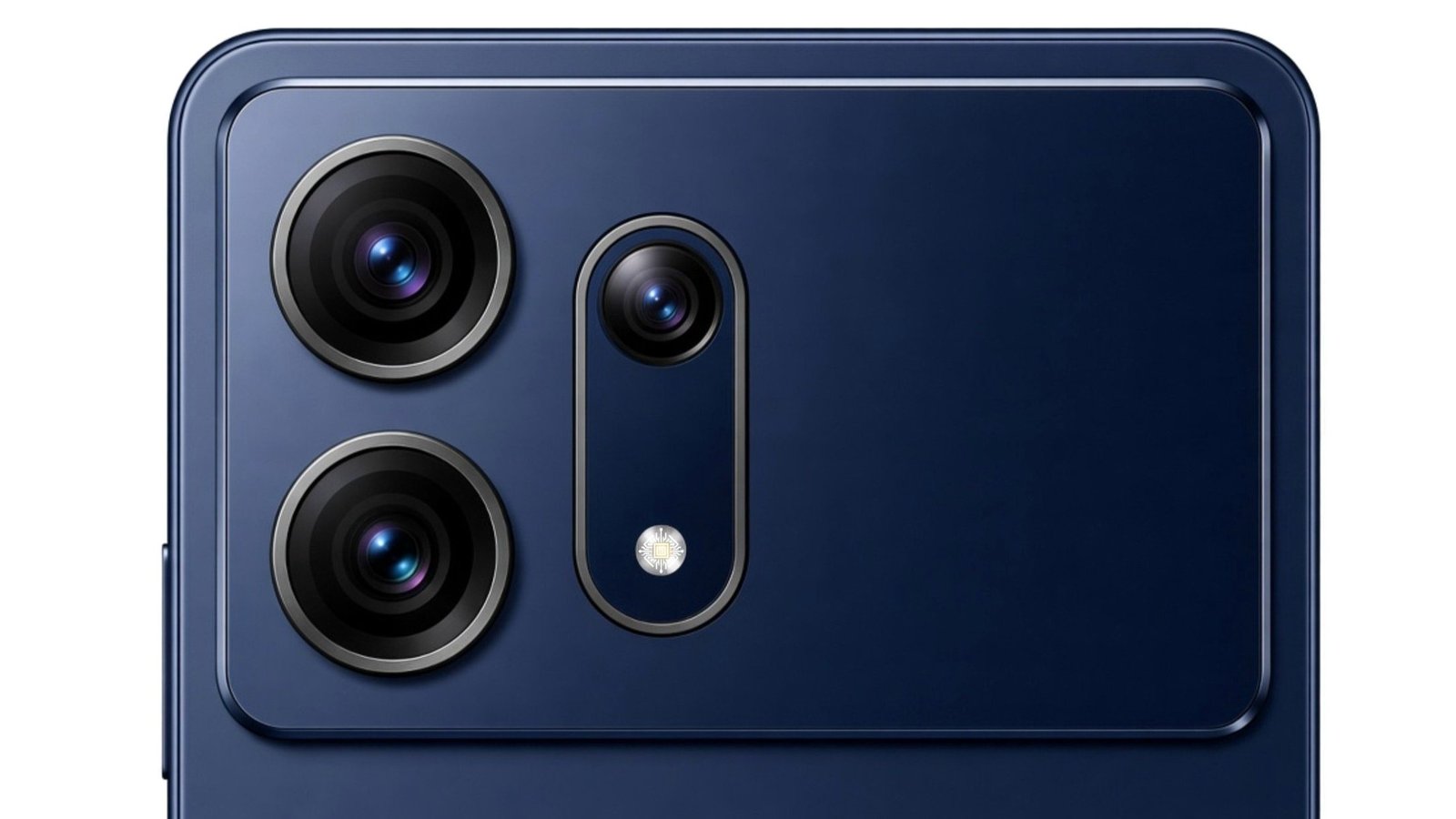
Is Samsung Moving Toward an Apple-Inspired Camera Plateau for the Galaxy S27 Ultra?
As speculation surrounding the next generation of flagship smartphones heats up, a new design leak has sparked intense debate regarding the aesthetic direction of Samsung’s upcoming hardware. If the latest rumors hold true, the tech giant may be preparing to abandon its current design language in favor of a "camera plateau"—a feature that bears a striking resemblance to the hardware profile of Apple’s recent Pro-series iPhones.
A Familiar Shift in Design
While the smartphone industry is no stranger to shared design motifs, the latest reports suggest that Samsung is gravitating toward a unified camera island. Although critics might point to the current iPhone lineup as the primary inspiration, it is worth noting that this "plateau" aesthetic has roots tracing back to various Android devices, including older handsets from Xiaomi’s Poco line.
Industry analysts suggest that this design is highly likely to feature on the Samsung Galaxy S27 Ultra, as other major competitors like Oppo, Vivo, and Xiaomi seem focused on different design trajectories for their upcoming ultra-flagship models.
Functional Benefits: Stability and Connectivity
Beyond the cosmetic debate, a transition to a camera plateau offers practical engineering advantages over the current "one-sided" or individual lens protrusion approach:
- Improved Stability: By housing the sensors within a unified plateau, the device would theoretically lie much flatter on a desk or table. This would eliminate the "wobble" often associated with current ultra-premium flagships, provided the sensors themselves remain flush or minimally protruding from the base.
- Enhanced Accessory Support: A wider, centralized plateau creates a more logical footprint for magnetic accessories. With the integration of Qi2 wireless charging standards, a flat camera plateau would provide a more secure surface area for magnetic mounts, wallets, and cooling fans compared to the cluttered layouts of previous models like the Galaxy S26 Ultra.
The Community Reacts
In the short time since the design sketches first hit the web, the digital creator community has already begun producing high-fidelity, AI-generated renders to visualize what this shift would look like in practice. These early prototypes have ignited a polarizing conversation among enthusiasts: some favor the cleaner, more symmetrical look, while others fear it sacrifices the unique design identity that has come to define the "Ultra" series.
As the industry waits for official confirmation, one thing remains clear: if Samsung proceeds with this design, it signals a move toward prioritizing hardware uniformity and functional accessory integration over the increasingly complex, asymmetric camera bumps of recent years.
What is your take? Is a transition to a flattened camera plateau the right move for Samsung’s 2026 flagship, or should the company stick to its distinct design roots?