









Victorian Opposition’s Plan to Split Appeals Court Sparks Backlash Over Judicial Independence
A controversial proposal to overhaul Victoria’s highest court has ignited a fierce debate, with legal experts and human rights advocates warning that the Liberal Party’s plan threatens to compromise the independence of the judiciary.
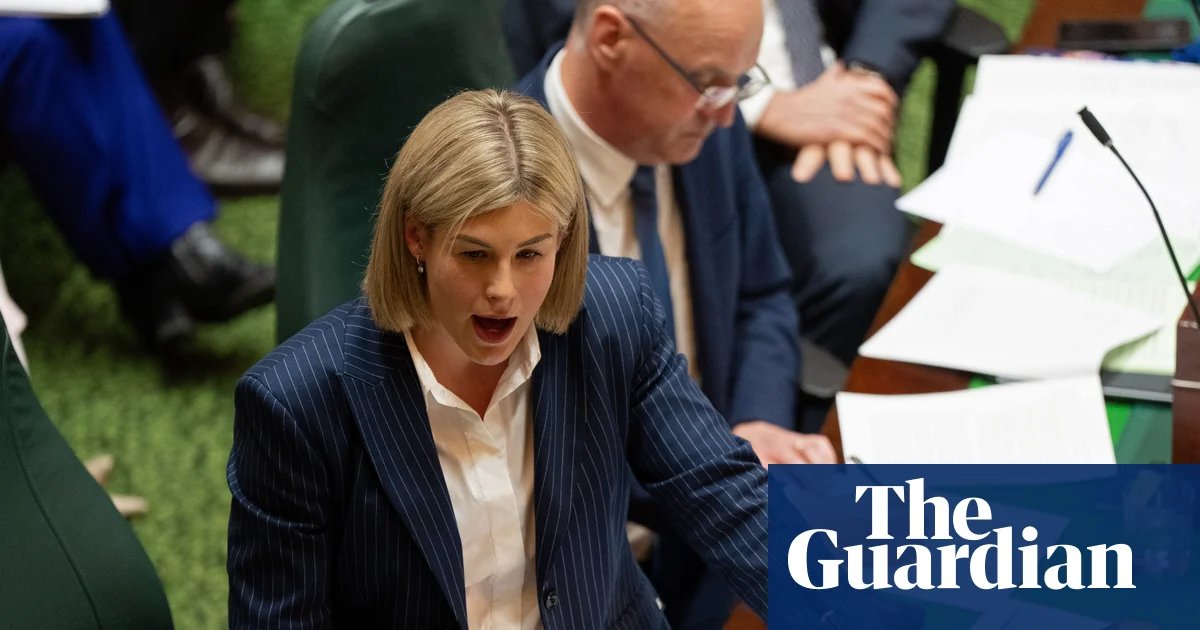
Opposition Leader Jess Wilson announced on Sunday that, if elected in the upcoming November election, the Coalition would fundamentally restructure the state’s court system by splitting the Court of Appeal into two distinct entities: a dedicated Court of Criminal Appeal and a separate Court of Civil Appeal.
The policy, which the Coalition claims is necessary to "set new legal precedents" and secure harsher sentences for serious crimes, would involve the appointment of additional judges specifically tasked with focusing on criminal matters. This proposal is intended to function alongside a suite of tougher bail and sentencing laws that the Opposition has pledged to enact before the end of the year.
"It’s time for a new approach," Wilson stated during the launch. "Our new criminal court will empower specialist criminal law judges to ensure sentencing of criminals meets community expectations."
Shadow Attorney General James Newbury emphasized that while the traditional appointment process for judges would remain unchanged, the government would prioritize candidates with a "strong background in criminal matters." According to Newbury, the move ensures that "criminal matters are dealt with by specialist judges who will be tough on crime."
A "Dangerous Thought Bubble"
The announcement has drawn sharp rebukes from across the legal spectrum. Critics argue that the proposal amounts to political interference in the judicial process, which traditionally operates independently from the legislative and executive branches of government.
Gemma Cafarella, president of Liberty Victoria, slammed the initiative as a "dangerous and ignorant thought bubble" conceived without expert consultation. "Governments shouldn’t choose judges to get the outcomes they want," Cafarella said. "This is a move that would politicise the criminal courts, and it must be rejected."
Her sentiments were echoed by Greg Barns SC, spokesperson for the Australian Lawyers Alliance, who described the plan as a "disturbing example of the risk of undermining the independence of the judiciary." Barns noted that there is no empirical evidence suggesting the current structure of the Court of Appeal is failing, arguing that existing issues—such as systemic underfunding—would remain unaddressed by this restructure.
Tom Ballantyne, president of the Law Institute of Victoria, also questioned the necessity of the split, pointing out that the current Court of Appeal already possesses access to a vast bench of judges with extensive expertise in criminal law.
The Election Battleground
The announcement comes as crime remains a central issue in the lead-up to the November poll. The incumbent Labor government has already implemented its own series of legislative changes, including controversial "adult time" sentencing for violent juvenile offenders and significant reforms to the state’s bail laws.
In response to the Coalition’s announcement, Premier Ben Carroll dismissed the plan as proof that the Liberal Party is "floundering." Carroll questioned the legal feasibility of the proposal, particularly the claim that the Opposition could "rewrite case law overnight," and added, "It shows you the Liberal party today have no legal expertise."
As the campaign intensifies, the proposal to politicise the judiciary has placed the separation of powers at the forefront of the Victorian election, leaving voters to weigh the demand for tougher sentencing against the potential erosion of long-standing legal norms.