







Trump Economic Advisor Scott Bessent Proposes Radical Sanctions Strategy Against Iran
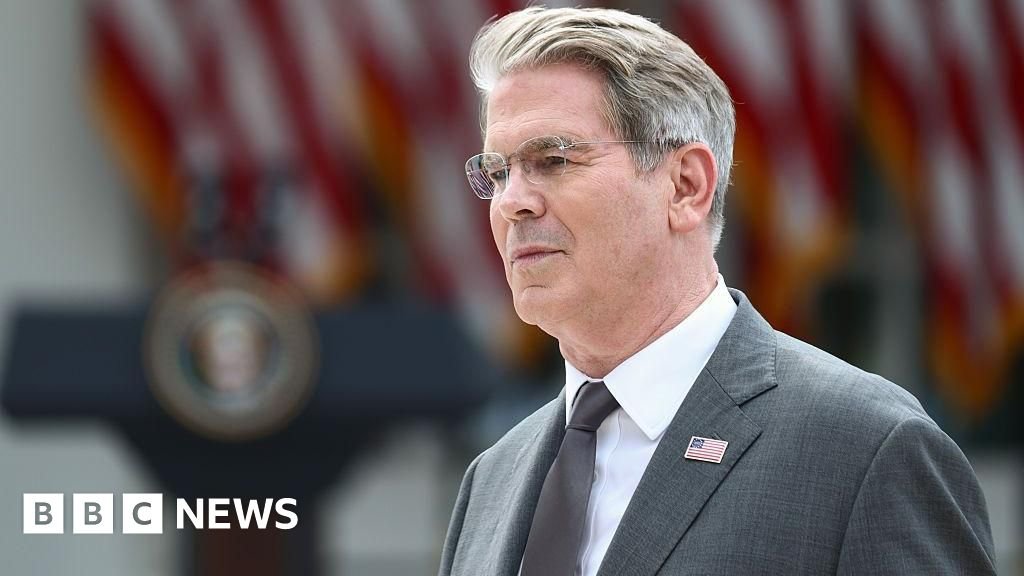
In a bold articulation of potential future foreign policy, Scott Bessent, a key economic advisor to Donald Trump, has outlined an aggressive strategy aimed at neutralizing Iran’s geopolitical influence. Bessent stated that under a renewed “maximum pressure” doctrine, the United States would seek to sever all economic ties with the Islamic Republic, further extending the scope of these sanctions to include any nation that continues to maintain financial partnerships with Tehran.
The proposal represents a significant escalation in the economic warfare strategy favored by the former president’s circle. By threatening to isolate third-party countries that facilitate trade with Iran, Bessent is signaling a move toward “secondary sanctions” that would effectively force global markets to choose between access to the American financial system or the Iranian economy.
“The goal is to render the Iranian regime financially untenable,” said those familiar with the advisor’s approach. “We are looking at a total economic blockade that leaves no room for international partners to act as intermediaries.”
This hardline stance has drawn significant attention from geopolitical analysts, as it signals a return to a more confrontational approach regarding Middle Eastern affairs. The strategy aims to starve Tehran of the revenue streams necessary to fund its regional proxies and military programs.
The announcement comes amidst a broader internal discussion regarding the future of the US economy and how it should be leveraged to achieve national security objectives. Critics of the plan argue that such measures could strain relations with key allies in Europe and Asia, many of whom have historically resisted total disengagement from Iranian markets.
As the 2024 campaign cycle intensifies, Bessent’s comments provide a stark preview of how a potential second Trump administration might look to overhaul international trade policies to serve as instruments of hard-power diplomacy. Whether this strategy will find support among a divided Congress or face resistance from the international banking community remains to be seen.