
The Ooshie Effect: How Woolworths’ Collectibles Strategy Stunted Coles’ Sales Growth
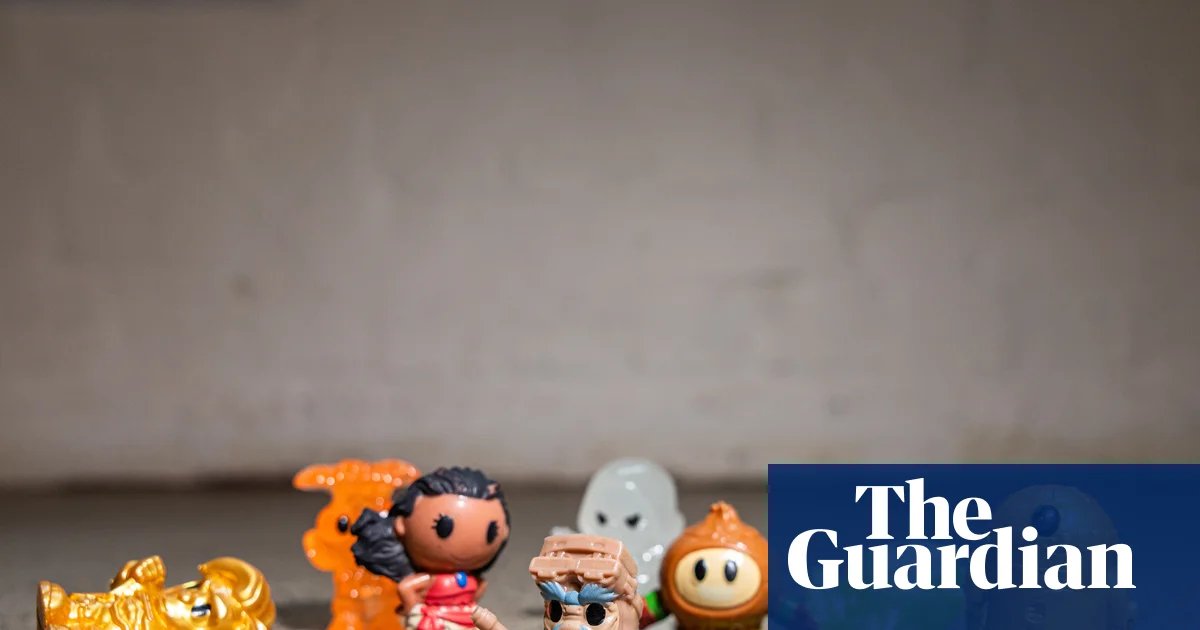
A fierce battle for the Australian grocery market has shifted from price wars to the playground, as Woolworths’ latest campaign involving Disney “Ooshies” triggered a tangible slump in sales for its rival, Coles.
The promotional campaign, which rewarded customers with a rubber figurine for every $30 spent, proved so wildly popular that stock was exhausted a week ahead of schedule. While the surge in engagement drove foot traffic to Woolworths, the secondary impact was felt in the balance sheets of its competitor.
A Temporary Sales “Slump”
During its full-year earnings announcement on Tuesday, Coles reported a strong performance for the 12 months leading up to June, characterized by growth and increased market share. However, the company noted that this momentum faltered in July, which Coles chief executive Leah Weckert attributed to the “competitor’s collectables campaign.”
Weckert characterized the downturn as a “temporary impact” lasting roughly four weeks, noting that the trend was primarily restricted to physical, bricks-and-mortar stores rather than online operations. Despite this, industry analysts remain wary; Michael Toner of RBC Capital Markets warned that the clear correlation between the Ooshie promotion and the dip in Coles’ sales could cause unease among investors.
From Playground Battles to Online Markets
The “Ooshie” phenomenon—small rubber figurines designed to sit atop pens—has created a secondary social economy. Beyond the schoolyard, where children trade figures or stage “battles” to knock down opponents, adults have flocked to online marketplaces. Facebook groups dedicated to swapping the figures have swelled to tens of thousands of members, with one prominent group adding 2,500 people in just seven days.
Data from YouGov suggests that two-thirds of surveyed parents altered their shopping habits specifically to participate in the promotion. Interestingly, the appeal spans generations: while millennials are the most active collectors, baby boomers are participating primarily to gift the toys to their grandchildren.
A Polarizing Legacy
The promotion has not been without controversy. Several schools, including the Bellevue Park State School in Queensland, have moved to ban the toys, citing “distractions, conflict and unfair trading.” However, such opposition is viewed as a badge of success by the figures’ creators. Alan Ngov, chief commercial officer at Headstart International, remarked on LinkedIn: “You know it was a good one when you get banned from the school yard!”
Beyond the social impact, environmental advocates have criticized the retail giant for pumping millions of plastic items into the economy. Kirsten Junor, CEO of the non-profit Reverse Garbage, argued that the carbon footprint of manufacturing and transporting the figurines outweighs their ephemeral value, labeling the promotion as “future landfill.”
In response to sustainability concerns, Woolworths stated that the Ooshies are composed of 97% recycled thermoplastic rubber and has provided collection bins in select stores to facilitate recycling.
The Future of “Kid-Marketing”
Despite the backlash, the effectiveness of the strategy ensures it is here to stay. Reflecting on the results, Weckert confirmed that Coles intends to continue its own collectible campaigns in the future to maintain its competitive edge.
As Coles reported a 1% rise in net profit to $1.09bn, the grocery giant faces a challenging dilemma: continue to compete in a game of toys and plastic, or risk losing market share to the next big retail craze.