







Trump’s ‘Economic D-Day’ Against Iran Faces Major Obstacle: China
The Donald Trump administration’s ambitious strategy to cripple Iran’s economy through a sweeping new sanctions campaign faces a massive geopolitical hurdle: China. While U.S. Treasury Secretary Scott Bessent has pledged an “economic onslaught” against Tehran to bring the ongoing Middle East conflict to a close, the effectiveness of these measures remains tied to whether Washington is willing to confront Beijing, its largest trading partner.
The China Conundrum
China serves as a vital economic lifeline for the Iranian regime, purchasing approximately 90% of Iran’s total crude oil exports. For the U.S. to successfully execute an “economic D-Day,” analysts argue that Washington must target the Chinese entities facilitating these transactions. However, doing so risks shattering a fragile trade truce between the world’s two largest economies, potentially triggering a broader global economic crisis.
During a recent high-profile press conference, Bessent announced a new wave of sanctions targeting individuals, vessels, and financial entities associated with Iran. Yet, when pressed on whether China would face secondary sanctions for its continued energy imports, the Treasury Secretary remained conspicuously evasive.
“No one is above the reach of U.S. sanctions,” Bessent remarked, while simultaneously emphasizing a preference for “quiet diplomacy” and refusing to “name names.”
Geopolitical Risks and Retaliation
The Biden administration previously grappled with similar dilemmas regarding Russia’s economy, yet Russia’s ability to pivot toward Asian markets limited the long-term impact of Western sanctions. Experts warn that the current U.S. strategy risks expanding the theater of conflict far beyond the Middle East.
“The U.S. is essentially expanding its war in the Gulf to a much greater war between itself and other global actors around the world,” observed Vali Nasr, a professor at the Johns Hopkins School of Advanced International Studies and former U.S. State Department adviser.
If Washington opts to penalize Chinese banks or companies, Beijing is unlikely to remain passive. Analysts at the Hudson Institute suggest that such a move would be viewed by China as a direct breach of recent diplomatic agreements. In retaliation, Beijing could restrict exports of critical minerals essential to U.S. manufacturing or curb vital pharmaceutical shipments, further destabilizing an already volatile global supply chain.
Balancing Act
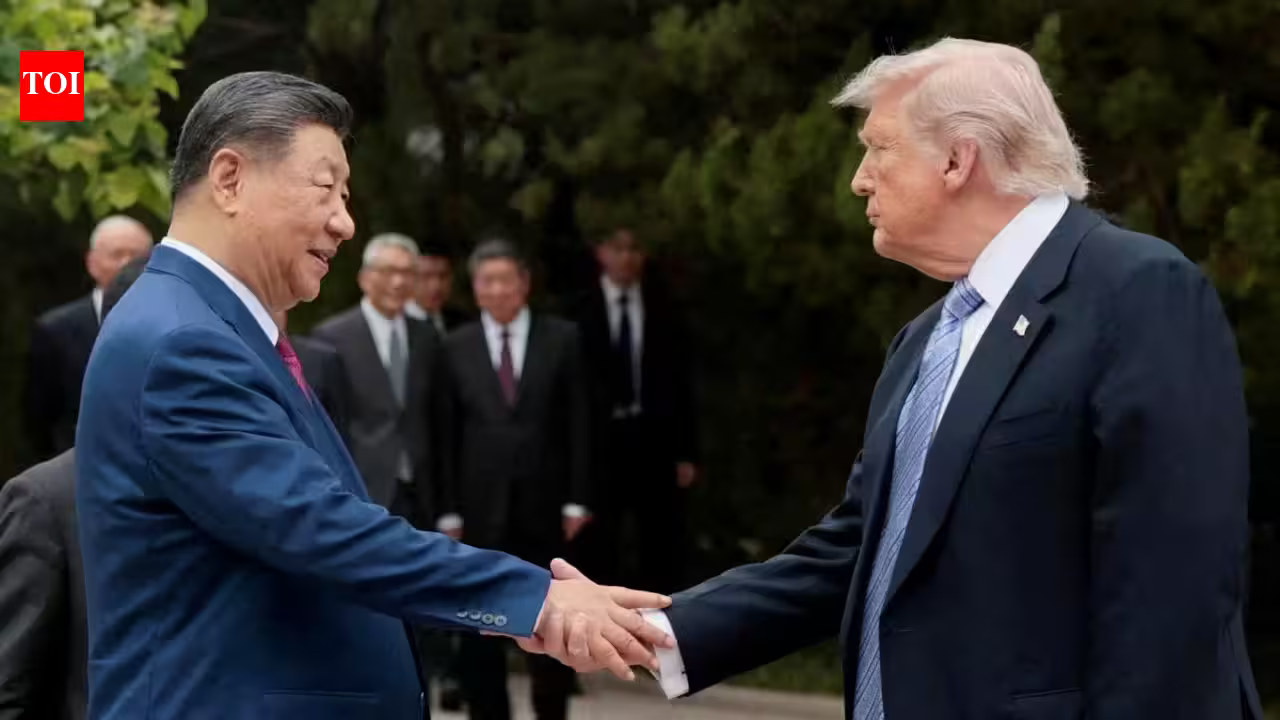
The timing of this strategy is particularly sensitive, as President Trump is expected to hold high-stakes meetings with Chinese President Xi Jinping in September. Taking aggressive economic action now could derail those diplomatic efforts.
Furthermore, the global economy is already reeling from the ripple effects of the current conflict, which has disrupted shipping in the Strait of Hormuz and inflated energy costs worldwide. Bessent acknowledged the dangers of an overly aggressive approach, stating, “We are giving everyone the opportunity to remedy bad behavior. Why would I want to blow up the global financial system?”
As the Trump administration weighs its options, the challenge remains clear: to make its economic D-Day against Iran truly effective, the U.S. must decide if it is prepared to pay the steep price of a direct economic confrontation with China. For now, Washington appears to be walking a tightrope between enforcing its policy goals and avoiding a total breakdown in international market stability.