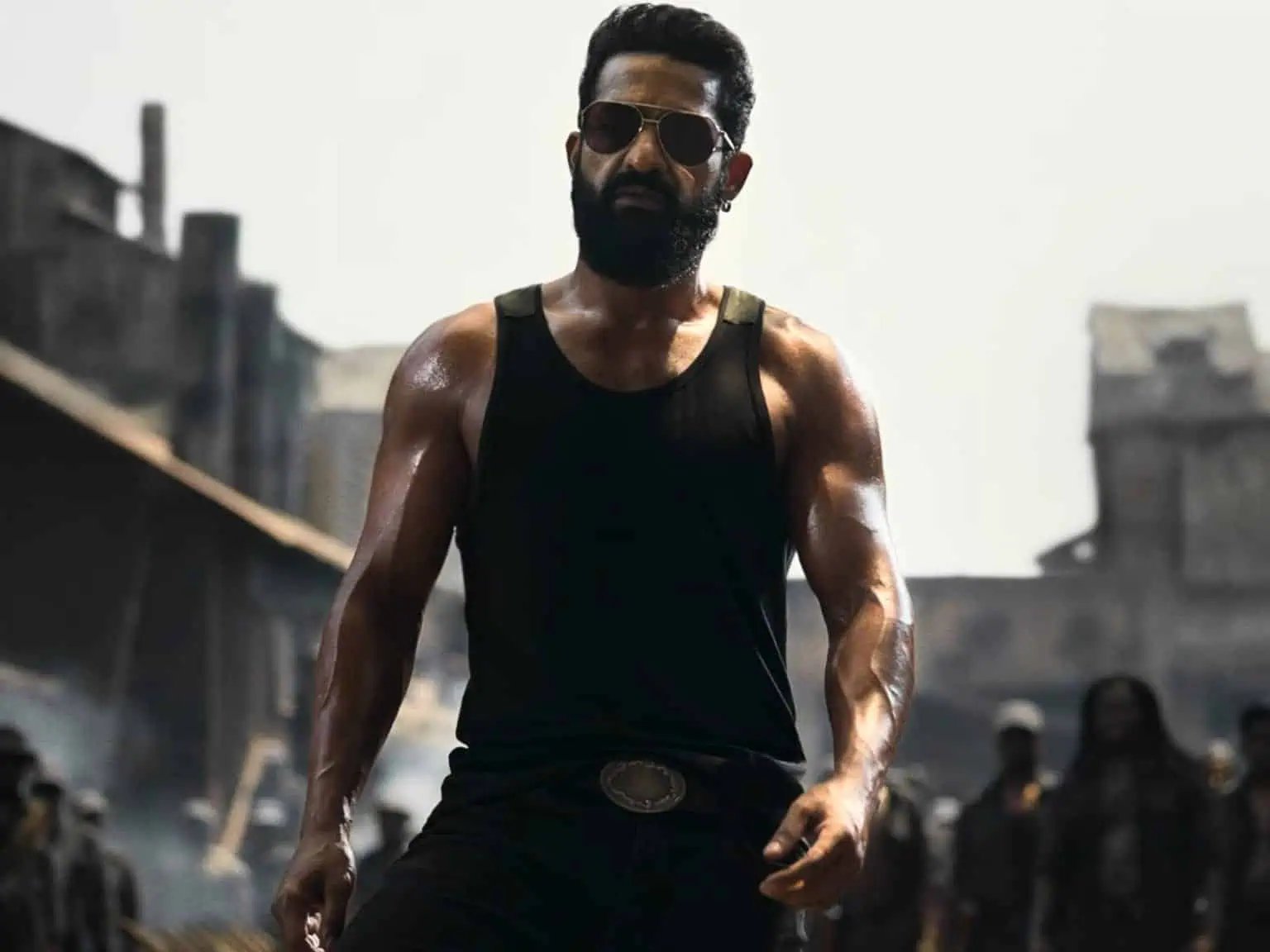







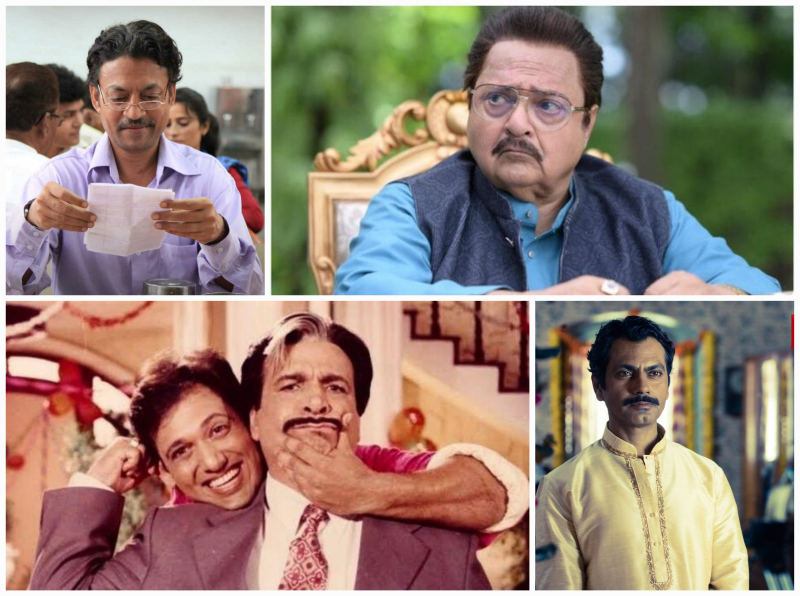
Aditya Dhar’s Dhurandhar 2: The Revenge has stormed past Rs. 1,200 crore globally within ten days, with a net business of Rs. 778 crore in India. The film, which features Ranveer Singh as the leading man, has outpaced giants like RRR (2022) and KGF Chapter 2 (2022).
The success of Dhurandhar 2 has proven extra fortuitous for Rakesh Bedi. The 71-year old FTII graduate has found unprecedented acclaim for his work as Jameel Jamali, and his viral dialog “Mera bachcha hai tu,” is fast becoming a part of the pop culture lexicon. Bedi, who has been acting since 1976, has finally achieved his share of screen immortality – the ultimate goal of any performing artist.
Like Bedi, there are other artists who took longer than usual to reach the spotlight, but when they did, they shone unusually bright. Today’s article profiles three such late but great bloomers:
Irrfan Khan
The inimitable Irrfan Khan (1967-2020) graduated from NSD, but spent an above average number of years in obscurity. After a blink-and-miss appearance in Salaam Bombay (1988), he coasted along with a string of small roles in film and television throughout the 1990s.
However, when he tasted success on foreign shores with The Warrior (2001), prospects began to improve. In 2003, he scored a double whammy in 2003 with a Filmfare Award-winning villainous turn in Haasil and an antihero act in Maqbool. Mainstream recognition and a Best Supporting Actor trophy came his way for the semi-hit film Life… In A Metro (2007). This decade also included global acclaim for The Namesake (2006) and Slumdog Millionaire (2008).
The last decade of his life, ironically, was the best. Paan Singh Tomar (2012) brought him a National Award as well as a Filmfare Award for Best Actor. Life of Pi (2012) and especially The Lunchbox (2013) brought him further foreign felicitations.
Hindi Medium (2017), which made Rs. 322.4 crore against a budget of Rs. 14 crore, landed Irrfan Khan further Filmfare and IIFA Awards for Best Actor. Irrfan’s performance was cited as one of the strongest contributors to this sleeper hit.
Though it took three decades, Irrfan Khan reached the exalted status of being a solid actor with drawing power at the box office.
Nawazuddin Siddiqui
Nawazuddin Siddiqui’s journey followed the same trajectory as Irrfan Khan’s, but the lows were lower. Like Irrfan, Nawaz, too, graduated from NSD and flitted through bit roles in Shool (1999) and Munnabhai MBBS (2003). Living frugally in cramped quarters, he even worked as a cook and mechanic to support himself and kept working just to nurture his craft. Eventually, the tipping point came with Black Friday and Peepli Live (2010).
The first half of the 2010s brought good fortune for Nawaz. Gangs of Wasseypur (2012) made him a force worth reckoning. Well-written character roles in Talaash (2012), The Lunchbox (2013) and Badlapur (2014) saw his stock rising further. The Lunchbox saw Nawaz lighting up the screen with Irrfan Khan and brought him a Filmfare Award for Best Supporting Actor. A textured part in the blockbuster Bajrangi Bhaijaan (2015) made him a household name. He won a Screen Award in the Best Supporting Actor for this performance.
The leading man tag finally came to Nawazuddin Siddiqui with the global, groundbreaking OTT success of Sacred Games (2018-2019). Since then, he has added to his laurels with award-winning work in Raat Akeli Hai (2020) and Serious Men (2020). He continues to go strong as an artist.
Kader Khan
Kader Khan (1937-2018) is perhaps the original rags-to-riches luminary who graduated to fame instead of shooting to it overnight. He rose from the slums of Mumbai to become a teacher of engineering subjects. He was spotted by Dilip Kumar in the early 1970s, and entered Hindi cinema as a dialog and screenplay writer for masala classics like Roti (1974), Amar Akbar Anthony (1977) and Muqaddar Ka Sikander (1978). His words found fame before his performances, and his growing writing prowess during this period culminated in a Filmfare Award in the Best Dialog Category for Meri Awaz Suno (1981).
The Hindi silver screen bestowed its blessings upon the multifaceted Khan decisively with Himmatwala (1983). His comic instinct, gift for alliterative words and fine Hindustani made him a decisive armament of the Madras movie era of the middle 1980s.
By the cusp of the 1990s, Kader Khan, now 53, had begun morphing into a genre by himself. Baap Numbri Beta Dus Numbri (1990) was declared by the distributors as a Kader Khan hit, despite Jackie Shroff being the leading man. He won a Filmfare Award for Best Comedian for this performance. Furthermore, the writer in Kader Khan made his presence felt once again with the gritty Angaar (1993), a project that once again brought him the Filmfare Award for Best Dialogue.
As the 1990s progressed, Kader Khan’s on-screen team with 1990s mass hero Govinda resulted in money-spinners like Hum (1991), Aankhen (1993), Coolie No. 1 (1995), Saajan Chale Sasural (1996) and Dulhe Raja (1998). In all these films, his comedy routine was considered instrumental in driving the film’s success.
By the advent of the 2000s, the sun of Kader Khan’s day had crossed into late afternoon, but he had firmly carved his niche in Hindi cinema history as a performer for all seasons. This niche was vindicated by a posthumous Padma Shri in 2019.
Questions relevant to the article
- How did Rakesh Bedi gain massive fame with Dhurandhar 2?
- Which famous Bollywood actors achieved success after years of struggle?
- What factors contributed to Irrfan Khan’s late but lasting success in Bollywood?