








Published on
March 29, 2026

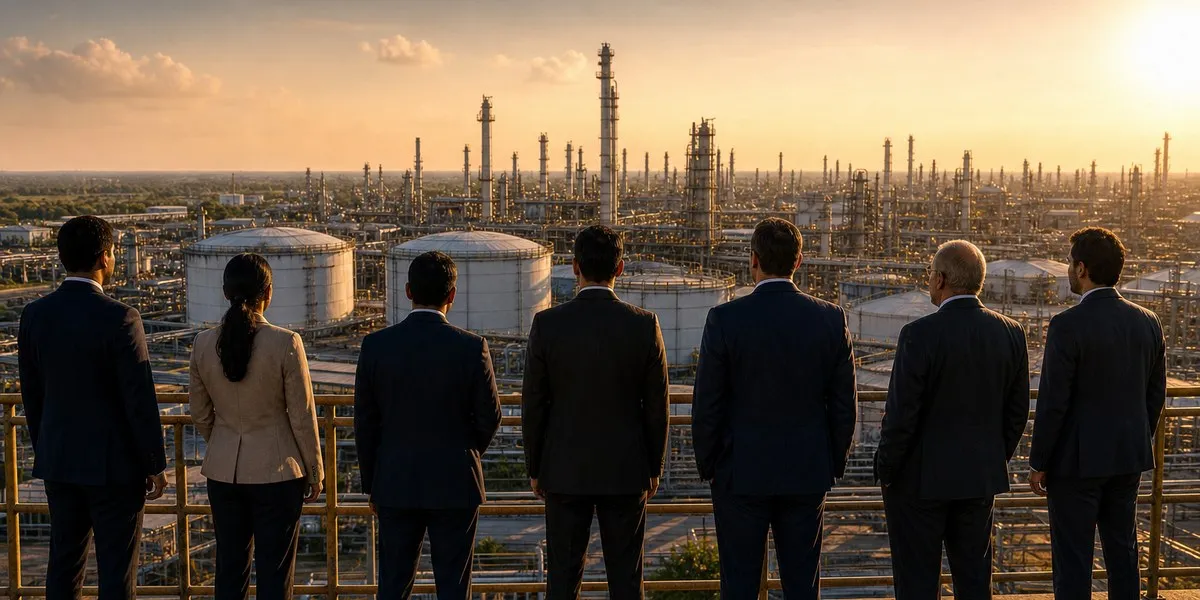
Image generated with Ai
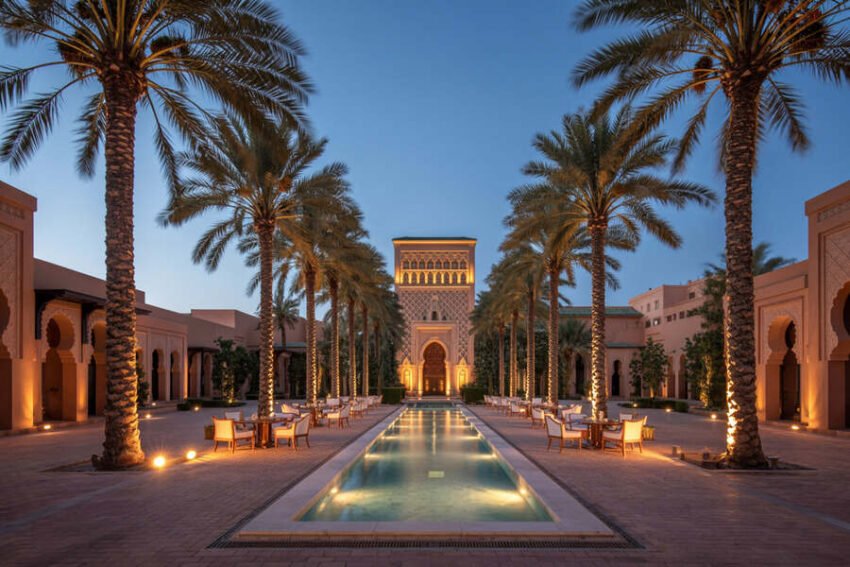
Morocco is joining tourism giants like the UAE, Saudi Arabia, Thailand, the UK, and India in boosting its tourism revenue through a USD four billion investment in hotel infrastructure. This initiative, driven by the country’s ambition to expand its hotel capacity by 20% ahead of co-hosting the 2030 FIFA World Cup, aims to accommodate rising global demand, enhance the visitor experience, and stimulate long-term economic growth in the hospitality sector. This bold move by Morocco comes at a time when tourism is seeing a remarkable global resurgence, and countries are ramping up efforts to attract international visitors. The USD four billion investment will add 25,000 new hotel rooms across Morocco’s major cities, including Marrakesh, Fez, and Tangier, contributing to a substantial 20% increase in the country’s hotel capacity. With international tourism projected to grow even further in the coming years, Morocco’s government is positioning the country as a key destination for leisure, business, and sports tourism, particularly with the added visibility and demand generated by the 2030 FIFA World Cup. By investing heavily in both infrastructure and high-quality accommodations, Morocco is aligning itself with global tourism leaders who are enhancing their own hospitality sectors to meet evolving traveler needs.
Tourism has become a critical pillar of economic development for many countries, and as global travel rebounds, nations are strategically investing in their hospitality industries to cater to the growing demand. Among these, Morocco is making waves by embarking on an unprecedented USD four billion investment to expand its hotel capacity. This ambitious initiative places Morocco alongside other major tourism-driven economies, such as the UAE, Saudi Arabia, Thailand, the UK, and India, all of which are similarly focused on enhancing their hotel infrastructure to boost tourism. This investment is poised to have a profound impact on Morocco’s tourism sector, both in terms of revenue and long-term growth.
Here’s a look at how Morocco is making waves and how these countries are collectively transforming the global tourism landscape by expanding their hotel capacity.
Morocco’s USD Four Billion Hotel Investment: A Gateway to Tourism Growth
Morocco is making a bold statement with its USD four billion investment in the hospitality sector, aiming to add 25,000 new hotel rooms by 2030. This expansion, set to increase the country’s hotel capacity by 20%, is part of the country’s plan to bolster its position as Africa’s leading tourist destination. By adding new hotels across key cities like Marrakesh, Fez, and Tangier, the country is preparing to accommodate the expected rise in international visitors, especially as it co-hosts the FIFA World Cup 2030 alongside Spain and Portugal.
Advertisement
Advertisement
The hotel expansion is expected to create numerous jobs, enhance infrastructure, and promote tourism-related industries. Local investors are stepping up to fund 700 planned projects, and international hotel brands will manage at least 15% of the new properties. The aim is not just to add more rooms but to elevate the tourism experience by incorporating cutting-edge technologies, sustainable practices, and world-class services.
Morocco’s tourism revenue is already a significant contributor to its economy. In 2025, the country welcomed almost 20 million visitors, generating USD 14.8 billion in tourism revenue. The government is betting that the USD four billion investment will unlock even more economic potential, positioning the nation as a premier global destination for both leisure and business travelers.
Advertisement
Advertisement
UAE: Leading the Middle East’s Hotel Boom
The UAE has long been a pioneer in transforming its tourism sector through visionary investments in hospitality. Cities like Dubai and Abu Dhabi are renowned for their luxury hotels, world-class resorts, and cutting-edge infrastructure, attracting millions of visitors annually. The UAE is continuing to increase its hotel inventory to accommodate growing demand from both leisure and business travelers.
By the end of 2025, the UAE will boast over 154,000 hotel rooms across 800 properties, a substantial increase from previous years. The country has firmly positioned itself as a key destination for luxury tourism, with high-profile projects like the Burj Khalifa and the Palm Jumeirah attracting international attention.
Advertisement
Advertisement
This expansion is expected to generate thousands of jobs, strengthen the country’s economy, and provide a significant boost to the hospitality sector. With new hotel openings planned for the next decade, including a mix of ultra-luxury properties, mid-range hotels, and budget accommodations, the UAE’s hospitality sector is positioned to continue its upward trajectory. Notably, the Expo 2020 Dubai, which was postponed to 2021 due to the pandemic, saw a dramatic rise in hotel room demand and helped accelerate the construction of new hotels in the region.
The UAE’s hotel investments also focus on sustainability and technology, incorporating smart buildings, eco-friendly hotels, and digital check-in systems to enhance the guest experience and align with global environmental goals.
Saudi Arabia: A Transformative Vision for 2030
Saudi Arabia, under its Vision 2030 initiative, has committed to transforming its economy by diversifying beyond oil and promoting tourism as a major revenue generator. The kingdom is pouring billions into hotel development as part of its broader efforts to make the country a leading global tourism destination.
The Saudi government has outlined an ambitious plan to build new resorts, luxury hotels, and cultural attractions across the country. Cities like Riyadh and Jeddah, as well as emerging destinations like Neom, are seeing significant hotel investments. The goal is to provide world-class accommodations for tourists, positioning Saudi Arabia as a hub for religious tourism, adventure travel, and luxury experiences.
Saudi Arabia is also investing in the Red Sea Project, which aims to create an exclusive tourism destination on the Red Sea coast, featuring 5-star resorts, eco-tourism initiatives, and private islands for high-end travelers. The kingdom plans to add several thousand hotel rooms by 2030, which will significantly increase its tourism capacity.
Thailand: A Southeast Asian Hospitality Powerhouse
In Thailand, tourism is a central part of the economy, with the country consistently ranking among the world’s most popular travel destinations. To accommodate growing visitor numbers, Thailand is investing heavily in its hotel sector, particularly in Bangkok, Phuket, and Chiang Mai. With a steady increase in international arrivals, Thailand’s hotel industry is experiencing rapid expansion, driven by both domestic and international hotel brands.
The Thai government has launched initiatives to boost both the quantity and quality of hotel properties, focusing on eco-tourism and wellness tourism. Thailand’s tourism is recovering strongly post-pandemic, and hotels are responding by offering new amenities, modern facilities, and services tailored to international guests’ evolving needs.
Thailand is also focusing on expanding its presence in the luxury segment, with high-end resorts and boutique hotels emerging along its scenic beaches and in vibrant urban areas. The expansion is projected to generate thousands of jobs, supporting the Thai economy and making the country even more attractive to global tourists.
United Kingdom: A Global Hub for Business and Leisure Tourism
The United Kingdom remains one of the most visited countries in the world, attracting millions of tourists each year. To meet the demand for quality accommodations, the UK is focusing on expanding its hotel sector. Cities like London, Manchester, and Edinburgh are seeing significant investments in new hotel developments, with a focus on both luxury and affordable options to cater to a diverse range of travelers.
The UK’s hospitality sector is embracing technological innovations, including smart rooms, sustainable hotels, and contactless services, to enhance guest experiences. Additionally, the UK government is investing in transport and infrastructure improvements, which will support the growth of the tourism sector and increase the ease of travel for international visitors.
The UK’s hospitality industry is also benefitting from a surge in international visitors attending business conferences, sporting events, and cultural festivals, further driving the demand for hotel accommodations.
India: Expanding Hospitality to Meet Rising Demand
India, with its diverse culture and rapidly growing economy, is seeing a boom in hotel development to support its expanding tourism sector. As domestic and international travelers flock to popular destinations like Goa, Kerala, and Jaipur, India’s hotel industry is under heavy investment to keep up with demand.
The Indian government has introduced several initiatives to boost the hospitality sector, including the Pradhan Mantri Awas Yojana and Tourism Infrastructure Development Fund, which provide funding for new hotel projects across the country. With the rise of affordable luxury and budget hotels, India is appealing to a broader spectrum of tourists, from backpackers to high-end travelers.
Indian cities are seeing the construction of new hotels with modern amenities, eco-friendly features, and luxury brands, catering to both leisure and business travelers. Additionally, the government is focusing on improving infrastructure and connectivity to further enhance tourism prospects.
How Hotel Investments Are Boosting Tourism
Across these countries, hotel investments are playing a pivotal role in driving tourism growth by enhancing the overall visitor experience. These investments not only create thousands of jobs but also stimulate other sectors such as transportation, hospitality services, and retail. Expanding hotel capacities allows countries to accommodate larger numbers of visitors, which directly contributes to higher tourism revenue.
In addition to increasing supply, hotel investments are also focused on sustainability, technological innovation, and luxury offerings to attract higher-value tourists. Features like eco-friendly resorts, smart rooms, and AI-driven concierge services are becoming standard in many new hotel projects, allowing these countries to remain competitive in a rapidly evolving tourism market.
Furthermore, international hotel brands are recognizing the potential of these emerging markets, bringing global standards and expertise to the local hospitality industry. This global presence boosts the reputation of these destinations and enhances the quality of service offered to tourists.
Morocco is joining global tourism leaders like the UAE, Saudi Arabia, Thailand, the UK, and India in boosting tourism revenue through a USD four billion investment in hotel expansion. This strategic move aims to meet growing demand, enhance infrastructure, and solidify the country’s position as a premier destination ahead of the 2030 FIFA World Cup.
With Morocco, UAE, Saudi Arabia, Thailand, UK, India, and others committing significant resources to hotel infrastructure and development, the future of global tourism looks incredibly promising. These countries are setting the stage for sustained growth in tourism by expanding hotel capacities, improving services, and embracing technological advancements. As a result, millions of travelers will have access to high-quality accommodations in some of the world’s most exciting destinations, ensuring the tourism industry continues to thrive in the coming years.
Advertisement
Advertisement