






From Accountant to Developer: Bill Hoffman’s Vision for the Future of New Orleans
Bill Hoffman never intended to build a career in real estate. A certified public accountant by trade, Hoffman spent his formative professional years at the firm KPMG Peat Marwick, navigating the rigorous world of financial auditing. However, following his personal mantra—”work hard to find something you enjoy doing, and if you don’t enjoy it, find something else”—he eventually traded his calculator for the complex, high-stakes world of urban development.
Today, as the president of Woodward Interests, Hoffman has become a key architect of the New Orleans skyline. His firm is the force behind high-profile landmarks such as the Four Seasons Hotel and Residences and the Southern Food and Beverage Museum. Since joining Paul Flower’s Woodward Design + Build in 2011, Hoffman has leveraged his financial acumen to navigate some of the most significant and challenging projects in the region.
Breaking Ground on the Lindy Boggs Project
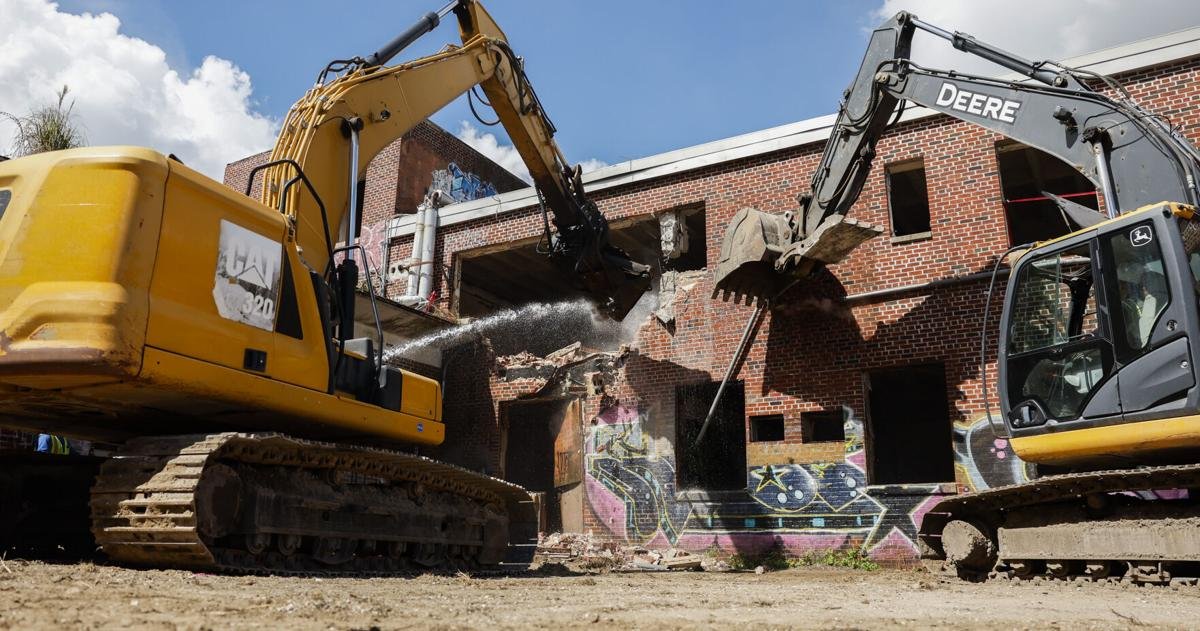
In a recent interview, Hoffman discussed his latest venture: the transformation of the former Lindy Boggs Medical Center. With the site currently undergoing demolition, Hoffman expressed a profound sense of relief.
“The overwhelming feeling was one of gratitude and relief—gratitude for all the cooperation we received from key stakeholders and relief that we were finally taking down the bricks,” he said.
The project is moving forward in phases. The first stage involves installing an underground water retention system to manage local flooding. Looking ahead, Hoffman is finalizing designs for the second phase, which will feature a mixed-use building offering apartments, retail space, and parking. He aims to align the financial closing with the completion of the water retention system, with an estimated two-year construction timeline to follow.
The Challenges of New Orleans Development
Despite his success, Hoffman is candid about the hurdles facing developers in the Crescent City. While he notes a minor stabilization in the insurance market, he identifies two primary obstacles to growth: high national interest rates and the unique difficulty of attracting outside capital to the local market.
“New Orleans is a small to midsized market by national standards,” Hoffman explains. “When you go to a national lender, they are looking for other projects they can invest in simultaneously to spread out costs. But we do not have that backlog of projects here.”
Beyond financial logistics, Hoffman emphasizes the need for population growth and a better national reputation. While he notes that recent efforts to address crime have been a positive signal, he acknowledges that changing perceptions takes time. He also pointed to political friction between city and state leadership as a deterrent to progress, noting, “It is not good for the image of New Orleans.”
A Commitment to Community
Outside of his development work, Hoffman has dedicated significant time to humanitarian efforts, particularly as the board chair for Second Harvest of Greater New Orleans and Acadiana. He notes that the need is acute, with one in four people in the city experiencing food insecurity.
Hoffman successfully steered the organization through the uncertainty of the archdiocese’s bankruptcy, a period he described as having a “cloud” over the organization regarding potential liability. Since it was confirmed that the food bank would not be required to contribute to the settlement, donor confidence has rebounded. This year, Second Harvest is on track to distribute over 40 million pounds of food to roughly 480,000 people across south Louisiana.
Reflecting on his trajectory, Hoffman remains focused on the “win-win” scenarios that benefit both the city and the private sector. By advocating for streamlined permitting and fostering a more welcoming climate for investment, he hopes to continue reshaping the city he calls home.
For a deeper dive into his insights, read the full interview regarding Woodward Interests president Bill Hoffman.