









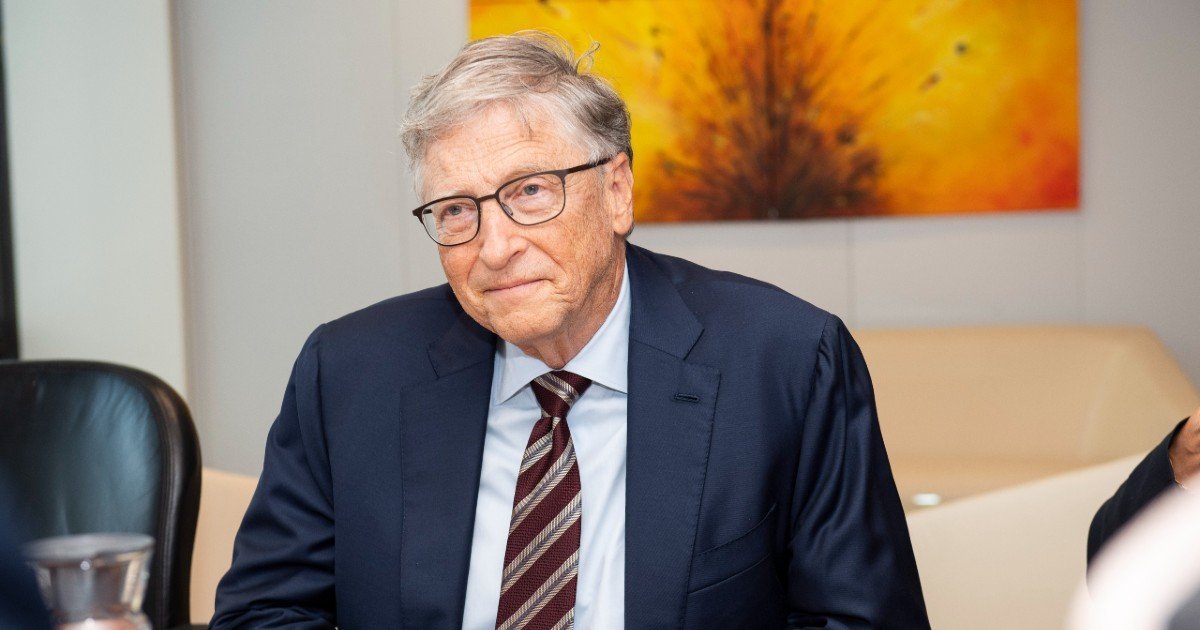
Viral Video Misleadingly Uses AI-Manipulated Footage to Attribute Fake “Water Lockdown” Claims to Bill Gates
A viral video currently circulating on Facebook has sparked concern by purportedly showing Microsoft co-founder Bill Gates warning of imminent “water lockdowns.” However, investigations confirm that the footage is a sophisticated fabrication, utilizing altered audio and manipulated visual cues to spread misinformation.
The video, which has been shared thousands of times, features what appears to be Mr. Gates discussing widespread suffering caused by water shortages, ultimately recommending a solution labeled as the “United States Water Reserve.”
A Fabricated Narrative
Fact-checkers have confirmed that the video is an edited version of genuine footage taken earlier this year. The original clip depicts Mr. Gates speaking to the media following his testimony before the U.S. House Oversight Committee regarding his past interactions with Jeffrey Epstein. During that actual event, Mr. Gates testified that he had never witnessed Epstein engaging in criminal conduct.
In the manipulated version, the original audio has been replaced with a false narrative. Furthermore, the video appears to have been processed to alter the movement of Mr. Gates’s lips, a common technique in AI-generated deepfakes used to trick viewers into believing the subject is speaking words they never uttered.
Misinformation and Crypto-Schemes
While Mr. Gates has historically spoken about the long-term risks of global water scarcity due to climate change and has invested in various legitimate water infrastructure projects, there is no evidence he has ever advocated for “water lockdowns.”
The reference to the “United States Water Reserve” appears to be part of a coordinated effort to promote a cryptocurrency asset by the same name, rather than a genuine government initiative or water management policy. By attaching Mr. Gates’s public image to this term, the creators of the video are likely attempting to lend a false sense of authority to the promotion of the digital token.
The Growing Trend of Digital Deception
This incident is the latest in a long string of fake claims directed at Bill Gates. Over the years, his public profile has frequently been targeted by bad actors who leverage his status to spread conspiracy theories or facilitate financial scams.
Experts warn that as artificial intelligence tools become more accessible, the ability to create convincing deepfakes is rising, making it increasingly difficult for social media users to distinguish between authentic reporting and manufactured propaganda.
Users are encouraged to maintain a healthy level of skepticism toward sensationalist videos and to utilize digital literacy resources—such as misinformation toolkits—to verify the source and context of viral content before sharing it. When in doubt, checking with reputable news organizations or fact-checking agencies remains the most effective way to prevent the spread of digital misinformation.