





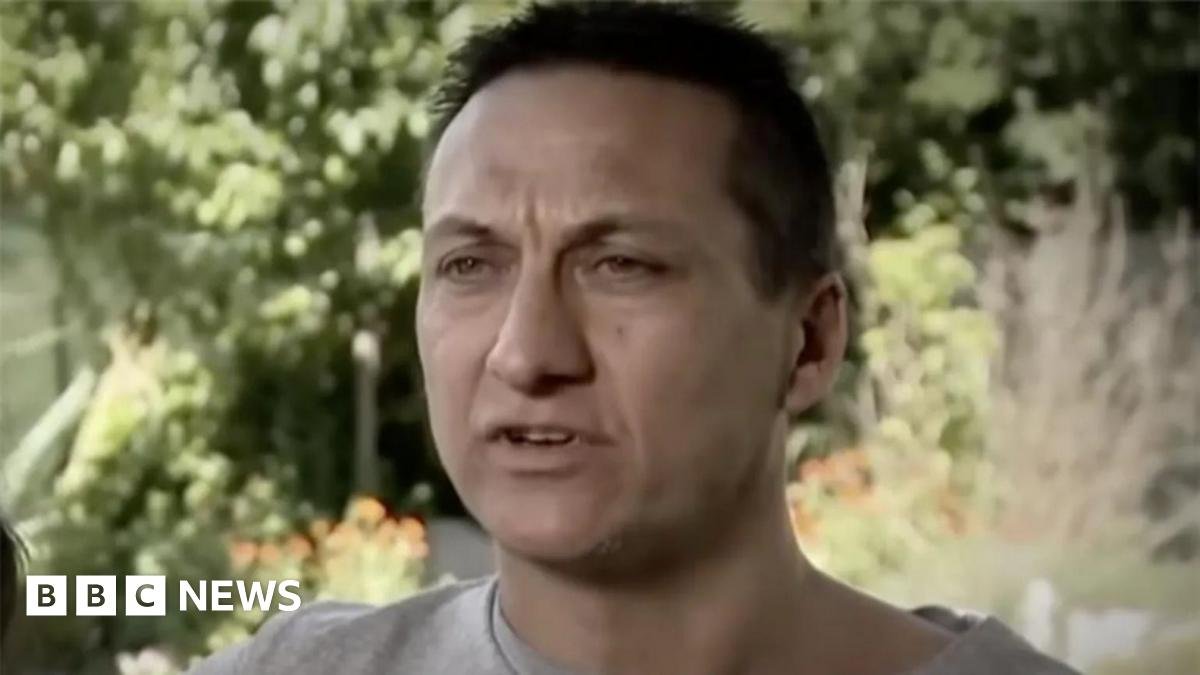
Freeman was no stranger to run-ins with police.
His hatred of authority and sovereign citizen beliefs were well documented in online posts, videos and court documents.
He called police “terrorist thugs”, compared them to Nazis and tried to arrest a magistrate during court proceedings.
Locals in the town of Porepunkah have told media Freeman’s extremist views hardened during the pandemic, amid government rules and restrictions which were particularly strict in his state of Victoria.
He in 2021 made headlines with an attempt to have then-state Premier Daniel Andrews tried for treason, but the case was thrown out.
Police had expected their search last August wasn’t going to be a straightforward interaction. After a risk assessment, they opted not to request specialist police support, instead sending ten officers to his property.
Among them was a local detective from a nearby town who was on the brink of retirement. Thompson was selected for the job because he’d had previous dealings with the target and was thought to have built a rapport with him, The Age newspaper reported at the time.
Within minutes of arriving at the property, he was shot dead, alongside De Waart.
Thompson’s partner – also a police officer – said the AFL fan and adventure lover was the “best husband she’d never had”. Family and friends remembered De Waart, originally from Belgium, as the kind of person who was always happy, who was always smiling and trying to make others laugh.
Their deaths revived questions in Australia about how the country deals with growing sects of anti-government conspiracy theorists.
A trio with similar anti-authority and pseudo-law beliefs ambushed and killed two officers – also gunning down a bystander – at a rural property in Queensland in 2022.
Authorities in Australia have since the pandemic warned of the growing threat of conspiracy theorists.
The Australian Federal Police have described pseudo-law believers as a group with an “underlying capacity to inspire violence”, while the prime minister has said intelligence agencies are taking the danger they pose seriously.