








Over 900 Trapped as Flash Floods Devastate Nepal’s Hydropower Projects; Rescue Operations Intensify
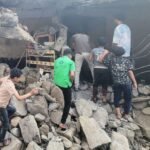
KATHMANDU – A massive rescue operation is underway across Nepal’s Rasuwa and Nuwakot districts, where at least 934 individuals remain trapped or unaccounted for following devastating flash floods that struck on Wednesday. Officials warn that the toll of those missing at 11 hydropower project sites could climb above 1,000, as rescue teams struggle to account for unregistered workers at various construction zones.
The catastrophe has highlighted the vulnerability of critical infrastructure in the region, with the missing personnel including citizens from Nepal, India, China, and South Korea. Among the 11 affected sites, five are currently under construction—a factor that complicates headcount efforts due to the presence of migrant and temporary labor often not listed on official manifests.
Grim Statistics at Project Sites
Data provided by the energy ministry paints a dire picture. At the 243 MW Upper Trishuli 1 project, only 350 of the 576 individuals reported missing have been rescued as of Saturday morning. Other sites, including the Rasuwagadi (111 MW), Langtang Khola (20 MW), and Upper Trishuli 3A and 3B projects, have reported significant numbers of trapped personnel.
At the Rasuwagadi site, where 93 people were initially reported missing, only three workers have successfully escaped. “The army has brought in experts to conduct the rescue operation, digging through the debris to reach those trapped,” an official stated on the condition of anonymity. “Because some of these projects are operational and others are under construction, the demographic of those missing includes engineers, maintenance staff, and contractors from multiple nations.”
A Race Against Time
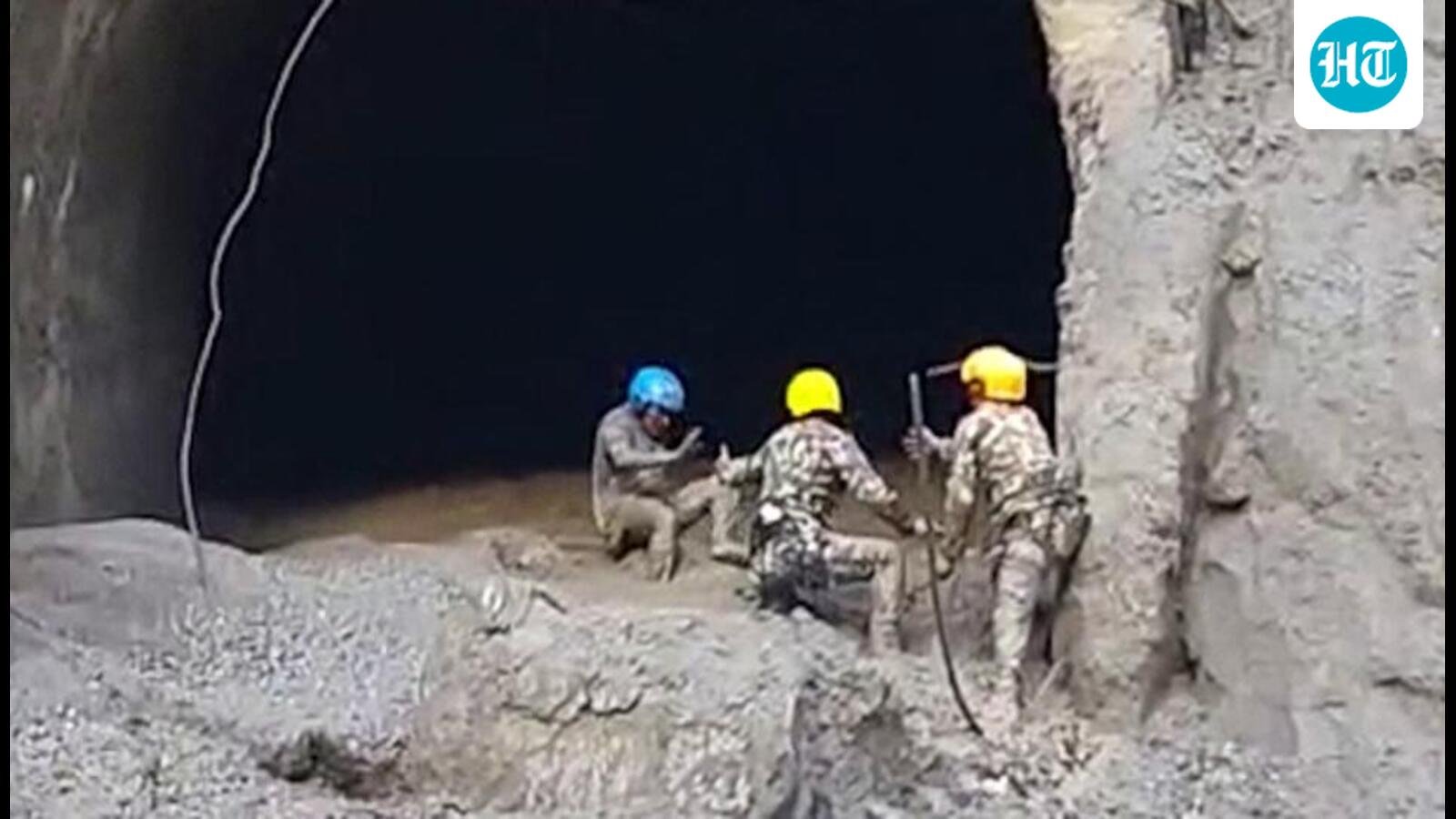
Nepal’s Army spokesperson, Brigadier General Raja Ram Basnet, confirmed that the military has deployed at least 15 helicopters and 84 specialized personnel to the affected zones, supported by hundreds of ground rescuers. Despite the massive logistical challenge, the focus remains squarely on tunnel extraction.
The situation is particularly precarious at the Upper Trishuli 3A project, where the mouth of an operational tunnel has been completely obstructed by debris. Experts are urging the government to prioritize specialized tunnel rescue technology to clear the blockages before oxygen supplies run low.
International Response and Stalled Aid
As the death toll from the floods climbs to 626—with over 2,400 people reported missing nationwide—the international community has begun to mobilize. India has already dispatched a third flight carrying aid, medical supplies, and an 11-member team of tunnel and disaster response experts.
However, there is a mounting push for further assistance. Congress President Mallikarjun Kharge has formally requested that the Indian government deploy the National Disaster Response Force (NDRF), an agency highly experienced in complex tunnel rescue operations. While the Indian Home Ministry has placed the NDRF on high alert, officials note that a formal request from the Nepalese government is a prerequisite for deployment.
The scale of the disaster, which has left nationals from as far as the US, UK, Australia, and Ukraine among the missing, underscores the severity of the crisis. With at least 934 people trapped or missing across these sites, local authorities are facing their most significant disaster management test since the 2015 earthquake.
As the search-and-rescue mission continues, the primary challenge remains the treacherous terrain and the uncertainty regarding the exact number of people who were present at these sites when the floodwaters surged.