








Kingdom Come: Deliverance Director Defends NVIDIA DLSS 5 After Leaked Version Impresses
NVIDIA’s upcoming DLSS 5 Neural Rendering has been a lightning rod for controversy since its initial reveal earlier this year. Skeptics have long decried the technology as “AI slop,” fearing it would compromise the artistic integrity of games by warping models or fabricating geometry. However, after the technology leaked prematurely via an update for NBA 2K26, industry veteran and Kingdom Come: Deliverance series director Daniel Vávra decided to put those fears to the test.
His verdict? The skeptics—and the initial marketing impressions—couldn’t be further from the truth.
Setting the Record Straight
Vávra, co-founder of Warhorse Studios, took to X (formerly Twitter) to share his findings after experimenting with the leaked DLSS 5 files in Kingdom Come: Deliverance 2. He was quick to clarify that the current iteration of the technology behaves nothing like the concerning demonstrations seen months ago.
“First off—what was leaked isn’t even remotely what NVIDIA originally presented,” Vávra stated. “It doesn’t alter the geometry of the models or the appearance of the characters in any way. I repeat: It doesn’t alter the geometry of the models or the appearance of the characters in any way!”
Rather than “making things up” or hallucinating new assets, Vávra noted that the AI acts as a sophisticated enhancement layer for existing rendering pipelines.
Solving “Impossible” Lighting Challenges
For developers, one of the most frustrating aspects of game design is the limitation of real-time lighting engines. Vávra highlighted how DLSS 5 successfully bridges the gap between what artists design and what actually appears on the screen.
“I often criticized the character artists’ work when certain faces in the game looked lacking in detail,” Vávra explained. “They’d often show me that it looked fine on their computers and that the problem was with the lighting in the game. Well, now it looks right in the game, too! This is how those faces were supposed to look.”
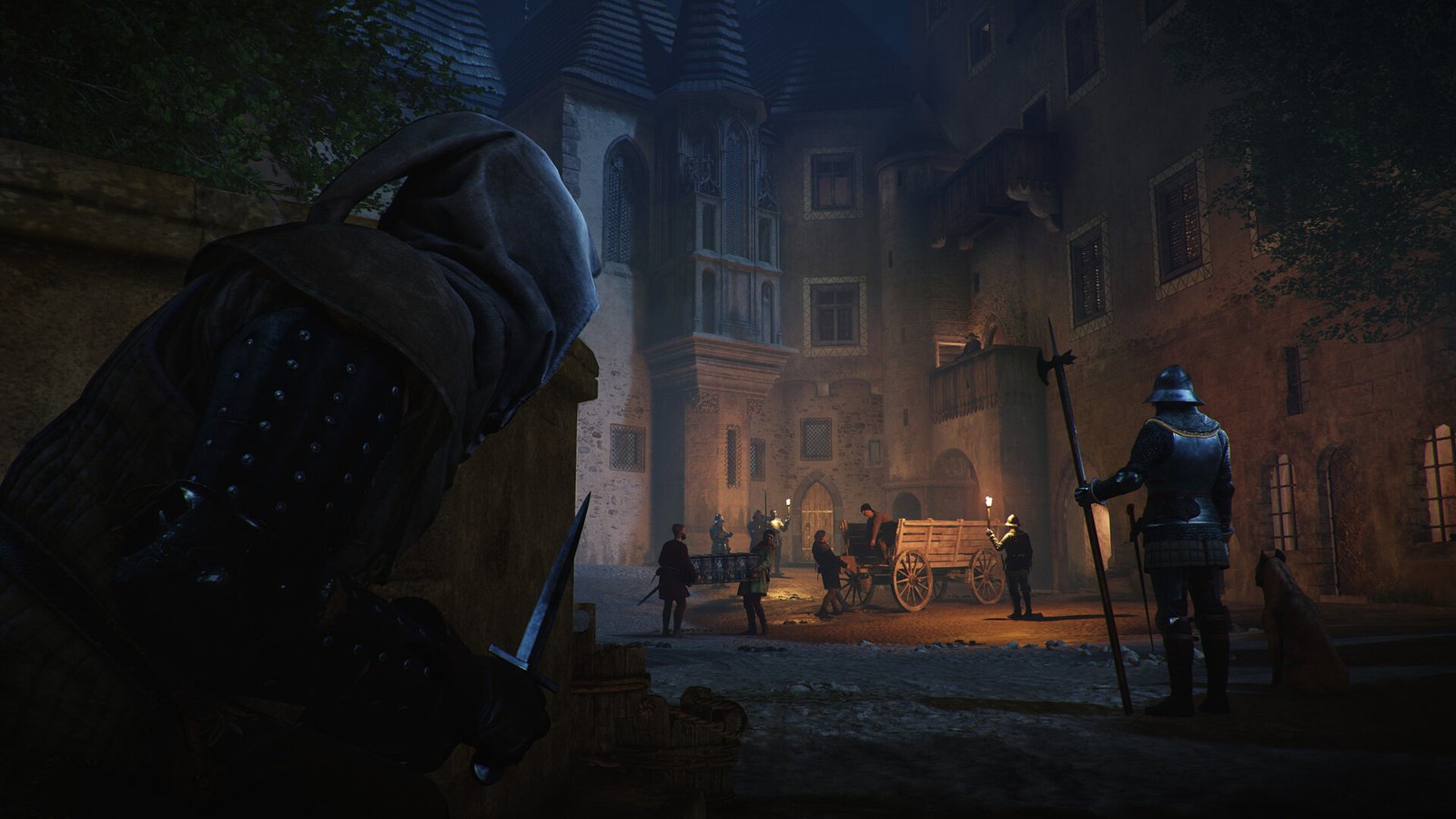
Beyond skin textures and facial detail, Vávra pointed to a massive leap in how the technology handles ambient occlusion. He described the AI’s effect on shadows as being “on steroids,” finally allowing for granular shadow casting from small items like hat brims, helmet hoods, buckles, and laces—details that are notoriously difficult to render efficiently in real-time.
Beyond the Controversy
While the environment improvements are more subtle than the character enhancements, Vávra noted that the technology excels at managing contrast—lightening shadows where appropriate while deepening them for added realism. He also observed improvements in vegetation, with better shadow rendering across grass and foliage.
The initial backlash toward DLSS 5 was largely fueled by a disastrous, early-look showcase featuring Resident Evil, which left many fearing a future of washed-out, AI-altered imagery. However, if the current build of DLSS 5 represents the final trajectory for the technology, it appears NVIDIA has moved away from invasive neural processing in favor of a more surgical, polish-oriented approach.
As the industry stands on the precipice of this new era, Vávra remains optimistic. “I see huge potential here for the future, and it’s absolutely great that even older games’ lighting could be improved this way.” If developers can implement these tools with the same restraint seen in the current leak, DLSS 5 may eventually be remembered not as “AI slop,” but as a milestone that fundamentally elevated the visual fidelity of modern gaming.