








Russia Makes Bold New Defense Pitch to India: S-500 Prometheus and Su-57 Felon Take Center Stage
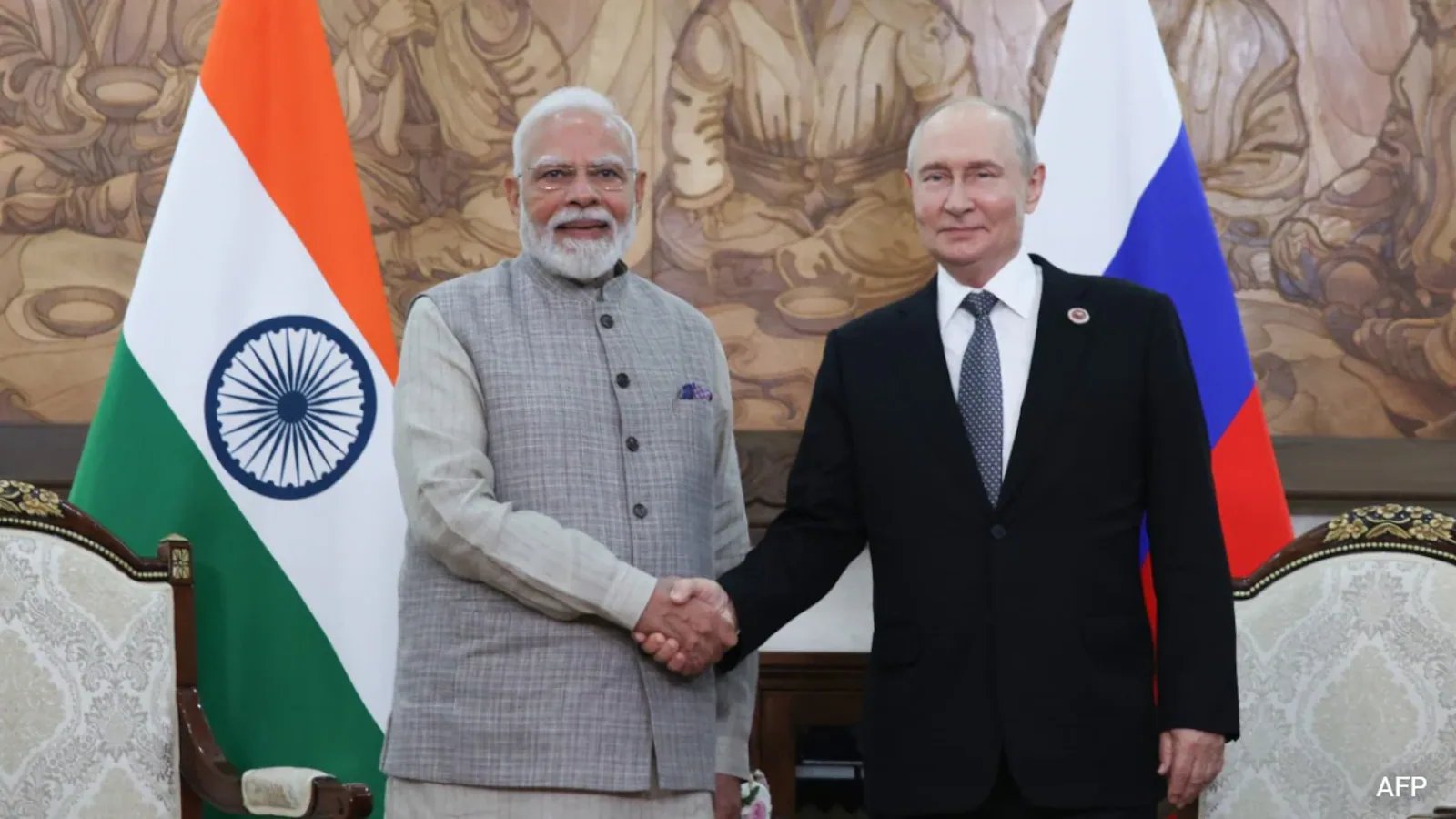
New Delhi: As Russian President Vladimir Putin and Prime Minister Narendra Modi prepare to hold high-stakes talks in New Delhi following their recent meeting in Bishkek, Moscow has launched an aggressive diplomatic and industrial offensive aimed at reshaping India’s long-term military modernization strategy. At the heart of this push are two of Russia’s most advanced weapon systems: the S-500 Prometheus air defense and anti-ballistic missile system, and the Su-57 Felon stealth fighter.
The proposal comes at a critical juncture for the Indian Armed Forces, which are balancing the urgent need to address vulnerabilities in their air defense architecture and combat squadron strength against a broader national policy of diversifying defense suppliers and fostering indigenous production.
A New Chapter in Air Defense
Moscow is positioning the S-500 Prometheus as the natural successor to the S-400 Triumf, which has become a cornerstone of India’s current air defense capabilities. The S-400’s reputation was solidified during last year’s ‘Operation Sindoor,’ where the system successfully neutralized aerial threats and reportedly downed a Pakistani airborne early warning and control aircraft at a record-breaking range.
However, the acquisition of the S-500 is far from a straightforward upgrade. India is currently advancing its own “Project Kusha,” an indigenous long-range air defense program designed to reduce reliance on foreign technology. Defense experts point out that any decision to purchase the S-500 must weigh the system’s undeniable power against the potential for redundancy with domestic efforts into which India has already invested significant time and capital.
The Stealth Fighter Dilemma
Perhaps the most complex element of the Russian pitch is the offer of the Su-57 Felon. With the Indian Air Force (IAF) facing a steady decline in fighter squadron strength and a long wait for its indigenous Advanced Medium Combat Aircraft (AMCA), Russia has sweetened its offer by dangling the prospect of technology transfer, localization, and domestic production.
The strategic stakes are immense. China’s fleet of J-20 stealth fighters is growing rapidly, and Pakistan is expected to field the Chinese-made J-35 in the coming months. For New Delhi, the dilemma is clear: accept an interim fifth-generation platform from Russia to bridge the immediate security gap, or risk falling behind in the regional “stealth race” while waiting for the AMCA.
Critics of such an acquisition warn that introducing yet another fighter type into the IAF’s already diverse inventory—which currently includes French Rafales, Russian Su-30MKIs, and indigenous Tejas jets—could exacerbate logistical and maintenance strains.
Navigating a Changing Landscape
Russia’s renewed defense offensive extends beyond these headline assets, including proposals for advanced Voronezh early-warning radar systems and comprehensive upgrade packages for existing hardware like the Su-30MKI fleet and Kilo-class submarines.
Despite India’s conscious pivot toward Western suppliers—evidenced by recent interest in American Javelin missiles and the ongoing procurement of additional Rafale fighters—Russia maintains a significant structural advantage. Decades of deep-rooted cooperation have made Russian systems the backbone of the Indian military, ensuring that Moscow remains an indispensable partner for maintenance and strategic upgrades.
As the two leaders meet in New Delhi, the dialogue will transcend simple transactional politics. The outcome of these discussions will serve as a bellwether for the next two decades of Indian defense policy, forcing New Delhi to decide whether to lean further into its traditional partnership with Moscow or accelerate its journey toward complete strategic autonomy.