







The payment, agreed with the Environment Agency, will go to the West Country Rivers Trust to support improvements to water quality, fish habitats and migration.
The agreement follows six clay pollution incidents in the St Austell area between September 2021 and July 2023. The money will also support community engagement work, helping local people monitor river health.
Imerys made the payment as part of an enforcement undertaking, which was an alternative to prosecution, after an Environment Agency investigation. The company has also agreed to cover £22,600 in investigation and enforcement costs.
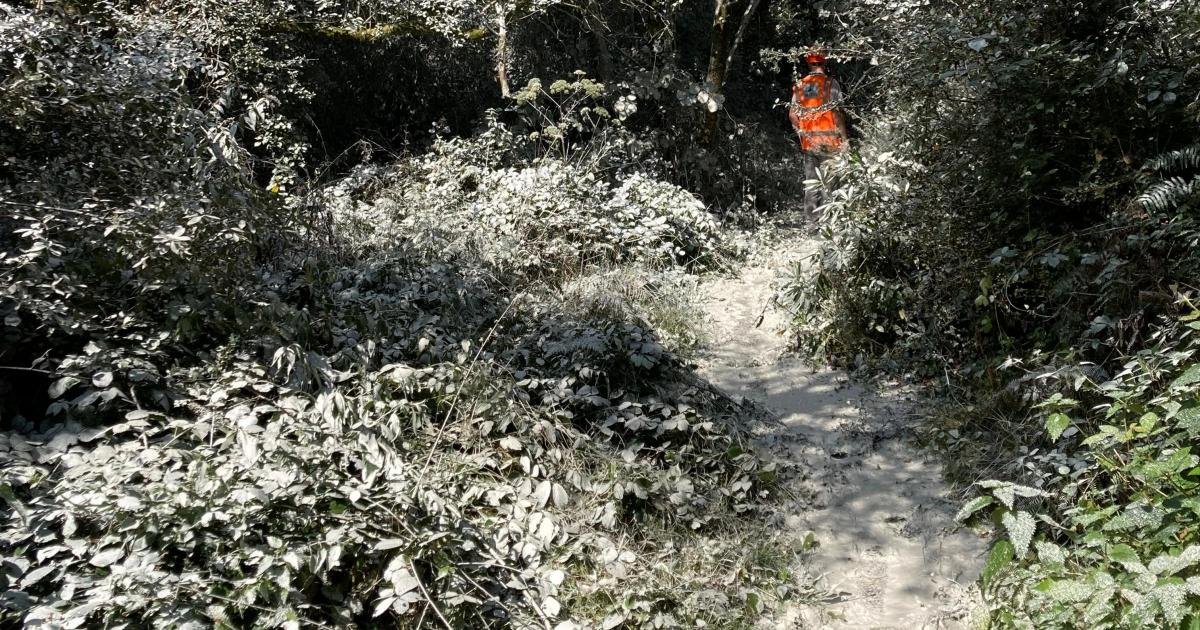
Several of the incidents involved clay entering local watercourses. In September 2021, an underground pipeline failed near Goonamarris, releasing clay onto surrounding land and into the Gwindra stream, which flows into the River Fal. The company estimated that 87.8 tonnes of clay were lost, with environmental impacts still evident two months later.
Investigations suggested the pipe had been weakened by damage from machinery. A further discharge to the same stream occurred in December 2022, while other incidents included pipeline and joint failures affecting nearby watercourses.
Environment Agency team leader Jack Hale said: “This commitment allows Imerys to put things right in a way that directly benefits the environment.
“We are pleased that the money will go towards improving water quality and fish habitat in the area.”
Stephanie Knights, head of river restoration at the West Country Rivers Trust, said: “The River Fal catchment is an area of exceptional environmental value, yet it faces significant pressure from a legacy of mining and quarrying.
“We are exploring fish passage solutions with the Environment Agency and habitat improvement opportunities, whilst pursuing research partnerships with the University of Exeter, and engaging local communities through our Citizen Science Investigations programme to monitor and champion river health.
“Our focus is clear: restore fish passage, improve habitat and water quality, and build the long-term ecological resilience this river deserves.”