








The Hague Rules Against India in Landmark Indus Waters Treaty Dispute
ISLAMABAD – A permanent court of arbitration in The Hague has issued a landmark ruling, declaring that India cannot unilaterally suspend the Indus Waters Treaty. The unanimous decision, delivered by a five-member tribunal on Monday, effectively invalidated New Delhi’s attempt to place the six-decade-old water-sharing agreement “in abeyance.”
The court’s verdict is categorical: the treaty remains fully in force, and India is legally bound to uphold its obligations, including the technical protocols governing the operation of hydropower projects on rivers flowing into Pakistan.
A Legal Rejection of India’s Justifications
The ruling marks the first time an international judicial body has weighed in on the legitimacy of India’s suspension of the pact. New Delhi had declared the treaty “in abeyance” in April 2025, citing a deadly terror attack on tourists in Indian-administered Kashmir. India had argued that the suspension would persist until Pakistan took “credible and irrevocable” action to end cross-border militancy—an accusation Islamabad has consistently denied.
In its judgment, the tribunal dismantled the legal arguments presented by New Delhi, which included claims of sovereignty, climate change, and evolving energy requirements. The court found that no principle of international law permits a state to unilaterally abandon a binding treaty on such grounds.
India, which boycotted the hearings and rejected the jurisdiction of the Permanent Court of Arbitration (PCA), remained defiant. Hours after the ruling, the Ministry of External Affairs issued a statement dismissing the court as “illegally constituted” and reiterated that the suspension would remain in effect.
Diplomatic Victory vs. Enforcement Reality
For Pakistan, the ruling serves as a significant diplomatic and legal victory. Ishaq Dar, Pakistan’s Deputy Prime Minister and Foreign Minister, welcomed the “unanimous Award,” urging India to respect the binding nature of the treaty’s dispute settlement mechanisms.
However, legal experts acknowledge that the verdict faces a major hurdle: the lack of a formal enforcement body. Unlike rulings from the UN Security Council, the PCA’s decision relies on the political will of the signatories.
“This is not merely declaratory,” said Ahmer Bilal Soofi, an expert in international law. “It provides Pakistan a categorical legal basis to consider legitimate countermeasures under international law.”
Sikander Ahmed Shah, a professor of international law at the Lahore University of Management Sciences, noted that India’s absence from the proceedings does not diminish the verdict’s legal standing. “The court has established its jurisdiction, and the judgment carries real weight as a precedent in international law,” Shah said.
Tensions Over “Existential” Resources
The dispute has elevated tensions between the nuclear-armed neighbors to a critical level. In recent months, Pakistani officials have framed the water issue as an “existential” threat. Prime Minister Shehbaz Sharif recently declared that “every single drop of Pakistan’s water is our red line,” warning of a “crushing response” should India interfere with the water supply.
Despite the inflammatory rhetoric, some experts urge a more nuanced view. Hydrology expert Hassan Abbas suggests that while the treaty is a vital framework, the physical geography of the Indus basin offers some inherent protections.
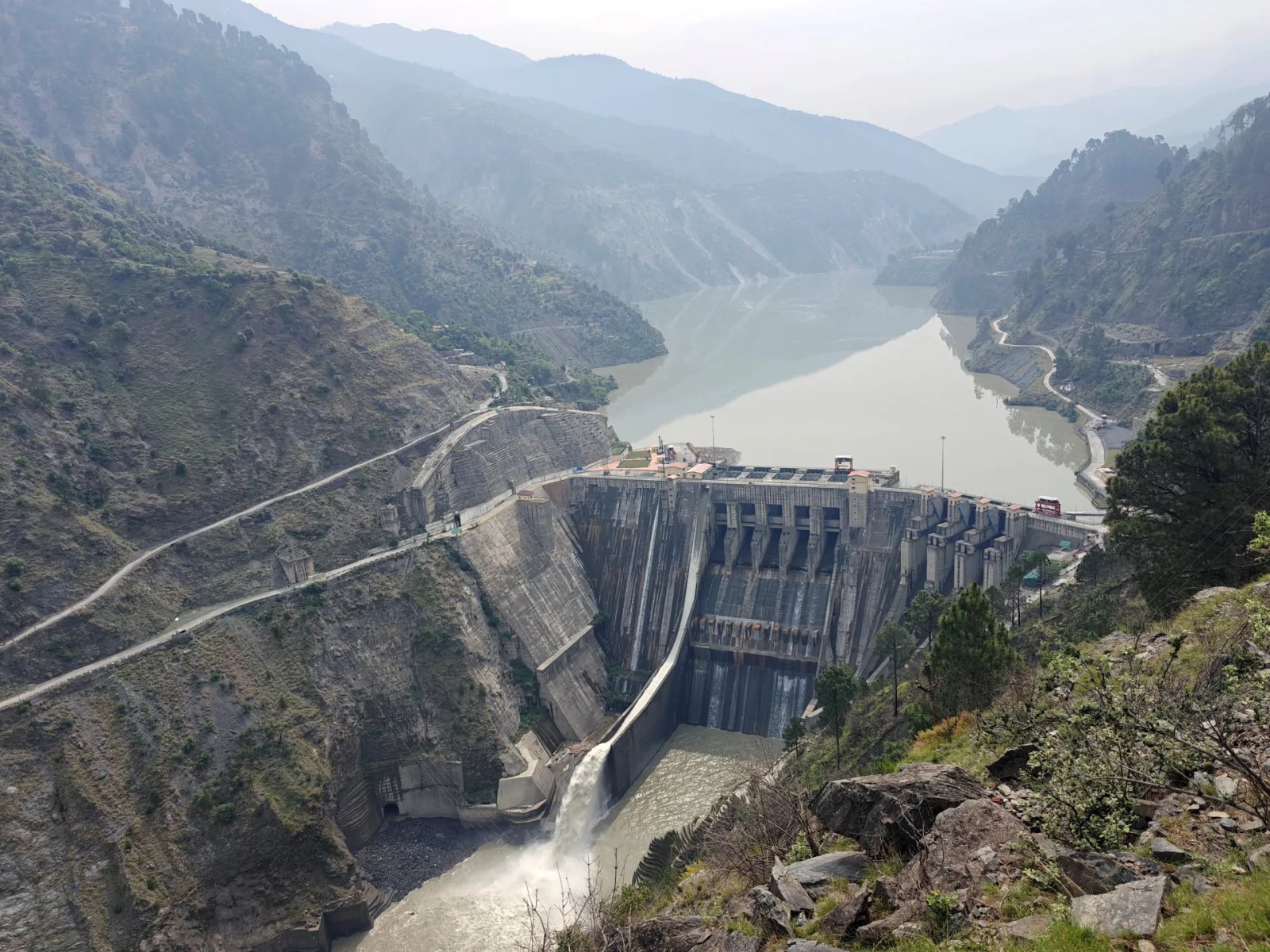
“I don’t think there is an imminent existential threat,” Abbas told reporters. He explained that because India’s dams on the Chenab River are run-of-river projects with limited storage capacity, they lack the ability to significantly throttle the flow of water without causing catastrophic flooding in Indian territory.
As the legal battle concludes in The Hague, the focus now shifts back to the Permanent Indus Commission—the joint body designed to manage the river’s resources—which has remained dormant since May 2022. Whether this ruling will compel a resumption of technical dialogue or lead to further regional volatility remains the primary concern for the coming months.