








Beyond the Care Label: Why We Must Rethink Our Relationship with Clothing
For decades, the standard advice for maintaining a wardrobe has been limited to the small, cryptic tags stitched into the inner seams of our garments. However, as the global environmental crisis deepens, experts warn that relying on basic care labels is no longer enough to combat the culture of “disposable fashion.”
As the European Union prepares to introduce “extended producer responsibility” (EPR)—a policy that shifts the burden of post-consumer waste management onto fashion brands—the industry is reaching a critical turning point. While retailers are being forced to consider the entire life cycle of their products, many continue to prioritize new sales, effectively offloading the responsibility of sustainability onto the consumer.
A Missed Opportunity for Retailers
Research by Réka Tölg of Lund University and Ingrid Haugsrud of Oslo Metropolitan University suggests that retailers are missing a vital opportunity to connect with customers. Their findings indicate that while some stores offer repair services or care products, these are frequently hidden or relegated to secondary status.
“Consumers want practical support to maintain and repair clothing,” the authors note. “Extending a garment’s life is not just about buying secondhand; it’s about how we wash, repair, store, and wear what we already own.”
In a fast-fashion system where garments are often discarded long before they have reached their technical potential, the authors suggest five actionable steps to break the cycle of disposability.
1. Rethink Your Washing Habits
Over-washing is a primary cause of textile degradation. Instead of defaulting to the washing machine, consider airing out garments between wears. For denim or thrifted items, experts suggest placing them in the freezer for a few days to refresh them, or using targeted spot-cleaning to address small stains.
2. Understand Your Textiles
Not all fabrics are created equal. Effective maintenance—such as de-pilling a wool sweater—requires knowing how to treat specific fibers. When cleaning, opt for gentle stain removers and be wary of products containing PFAS, the “forever chemicals” that harm both the environment and human health.
3. Rediscover Your Own Wardrobe
In an age of constant consumption, many people feel “wardrobe shame” and resort to impulsive decluttering. The authors suggest a shift in perspective: look at your current collection before buying more. Tools like color analysis or defining your personal style in three adjectives can help you identify which pieces truly bring joy and longevity, reducing the urge to purchase items you don’t need.
4. Cultivate Repair Skills
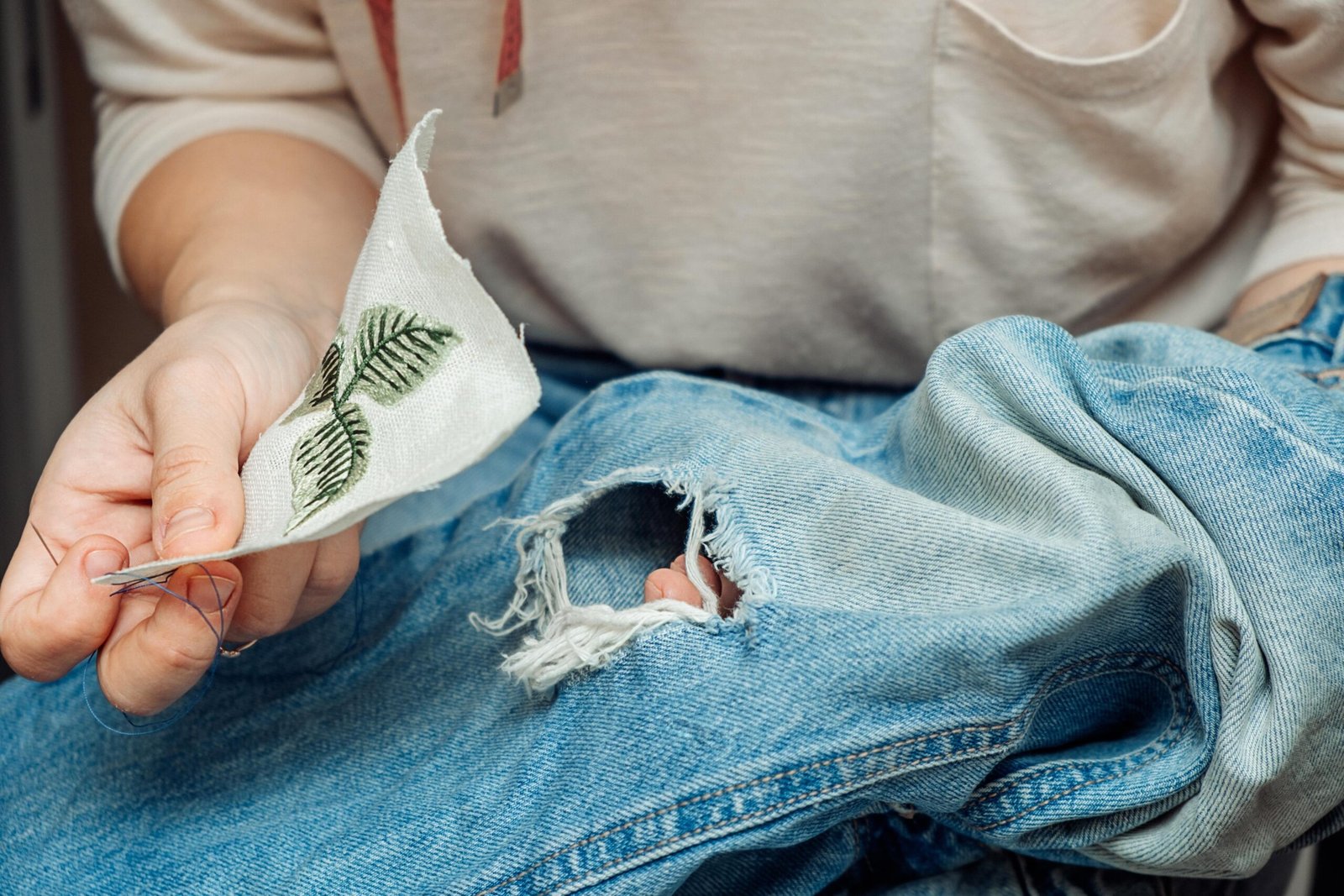
The barrier to extending clothing life is often a lack of know-how. If you aren’t sure how to darn a sock or hem a pair of trousers, look for local repair cafes or workshops. These communal spaces are becoming increasingly popular hubs for skill-sharing and fostering a sustainable, local community.
5. Support Brands That Prioritize Aftercare
The ultimate goal is to shift industry standards. We must make our clothes last longer by voting with our wallets. Seek out retailers that treat their products as “care-worthy”—brands that offer professional repair services, replacement parts like buttons or patches, and tailoring options.
By demanding more from manufacturers and embracing mindful maintenance, we can turn the tide on the fast-fashion crisis, one garment at a time. Aftercare should not be an optional add-on; it must become a core pillar of the retail experience.