








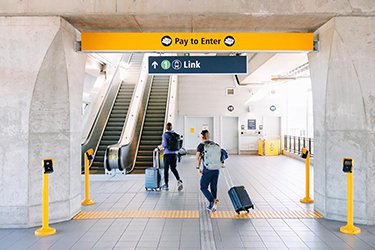
Sound Transit Approves $87 Million Pilot Program to Install Fare Gates at Link Light Rail Stations
SEATTLE — September 1, 2026 — In a significant shift for the region’s transit infrastructure, the Sound Transit board officially authorized a pilot program on Thursday aimed at securing the Link light rail system. The board approved an estimated $87 million initiative to install physical fare gates at up to 14 existing stations throughout the network.
For years, the Link light rail system has operated on a proof-of-payment model, with stations designed as open-access environments without physical barriers. However, rising concerns over fare evasion and station security have prompted transit officials to rethink this architectural approach.
The new pilot program represents a major capital investment designed to modernize how passengers access trains. According to early projections from Sound Transit, the infrastructure upgrade is expected to be financially efficient, with estimates suggesting the investment will pay for itself within two to three years through increased fare recovery and reduced enforcement costs.
The decision follows extensive deliberation regarding the future of the agency’s Sound Transit operations and the need to ensure a consistent, equitable experience for all commuters. By transitioning to a gated system, the agency aims to streamline entry processes and provide a more controlled station environment.
While the specific stations slated for the first phase of installations have not yet been finalized, the board’s approval marks the transition from planning to execution for a project that will fundamentally alter the daily commute for thousands of passengers.
As the agency prepares for implementation, transit advocates and local officials will be closely monitoring the pilot’s success, specifically looking at how the new physical barriers impact station dwell times, passenger flow, and overall system accessibility. Construction schedules and site-specific implementation plans are expected to be released in the coming months.