






India on Monday declared the country free of the Maoist insurgency, fulfilling a long-standing deadline to defeat the decades-long rebellion.
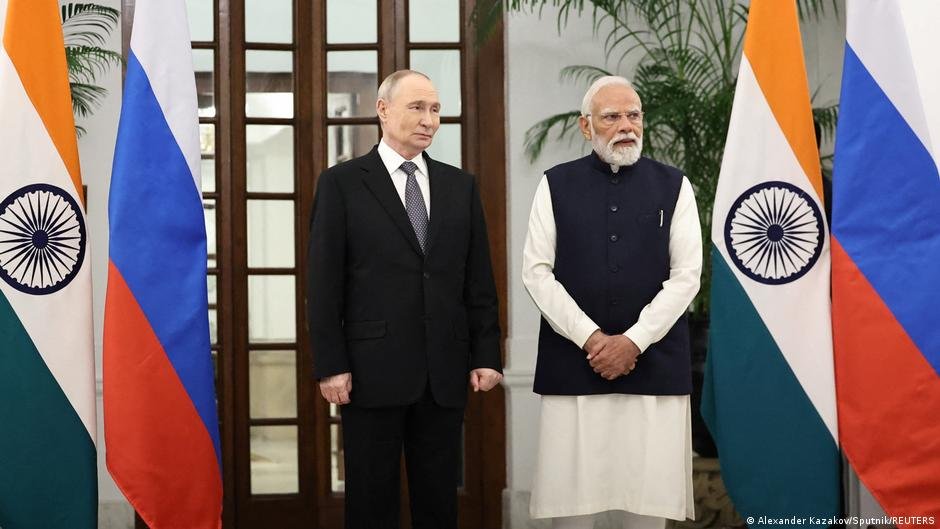
Home Minster Amit Shah told parliament India was “free” of the rebels, known as Naxals.
“I can say it openly, that we have become Naxal-free — there is no hesitation in saying this,” Shah told parliament, adding that “once the entire operation is completed, I will also inform the country.”
India in the last two years stepped up its campaign against the last remnants of the Naxalite rebellion, named after the village in the Himalayan foothills where the Maoist-inspired insurgency began nearly six decades ago.
The rebellion controlled nearly a third of the country with an estimated 15,000 to 20,000 fighters at its peak in the mid-2000s, but had been dramatically weakened in recent years.
Most armed insurgents were limited to central Chhattisgarh state’s Bastar region, a vast mineral-rich sprawl of dense forests and hills, roughly the size of The Netherlands.
In 2025, security forces killed 364 insurgents, arrested 1,022, and another 2,337 surrendered, including senior leaders, according to statistics tabled in India’s parliament.
Civilian and security force deaths have dropped by 90 percent since 2010, and annual Maoist attacks have fallen from more than 1,900 to roughly 200 last year.
“The days of those who commit Maoist violence, of those who perpetrate Naxalism’s violence, are over now,” Shah added.
The Maoists said they were fighting for the rights of marginalised indigenous people in forest regions, where mining companies also eye valuable resources.
More than 12,000 rebels, soldiers and civilians have died in the conflict since a handful of villagers rose up against their feudal lords in 1967.
pzb/pjm/mtp