








‘Padmaavat’ Writer Prakash Kapadia Defends Controversial Jauhar Sequence, Responds to Swara Bhasker’s Criticism
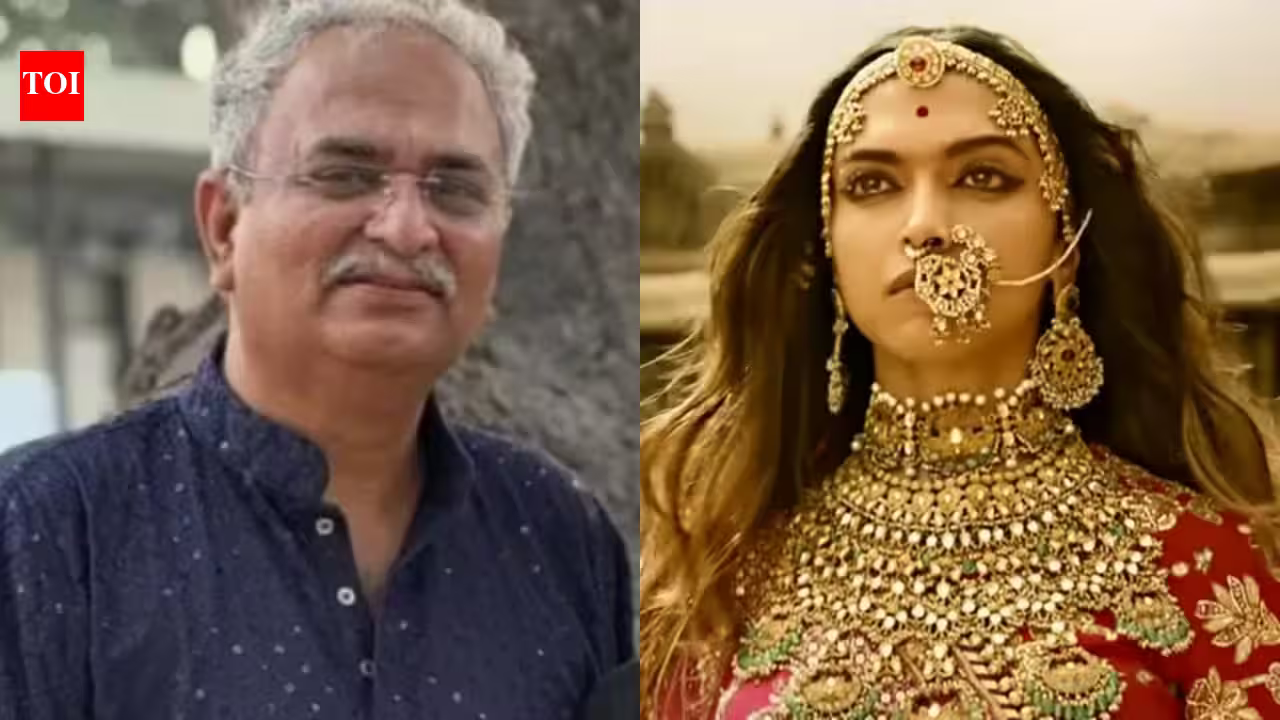
The intense debate surrounding the depiction of Jauhar in Sanjay Leela Bhansali’s magnum opus, Padmaavat, has been reignited years after the film’s release. Prakash Kapadia, the co-writer of the period drama, has stepped forward to defend the film’s creative choices, countering long-standing criticisms regarding the portrayal of the historical practice.
The controversy was recently stirred once again when actress Swara Bhasker questioned the film’s treatment of the self-immolation sequence, labeling it problematic. In a recent response, Kapadia maintained that the writing team remained faithful to historical accounts and the harsh realities of the era.
A Defense Rooted in History
Speaking to the Hindustan Times, Kapadia asserted that the film was crafted based on extensive research and established historical texts. He argued that the sequence was not a glorification, but a representation of the “do-or-die” circumstances faced by the characters during that volatile period.
“What we showed, including the jauhar scene, was the reality of those times; it cannot be changed now,” Kapadia stated. “The men were performing Kesariya (a ritual of wearing saffron, signaling a fight to the death). It was a final, desperate stand.”
Kapadia emphasized that historical context is vital when viewing the film. He explained that Kesariya was a recognized tradition among Rajput warriors when victory was deemed impossible, and the Jauhar sequence was intended to be viewed through the lens of those extreme historical circumstances.
Addressing the Critics
Addressing the criticism voiced by figures like Swara Bhasker, Kapadia suggested that audience reception is often colored by personal bias and intent.
“Every person interprets a film differently. It depends on the person’s mood; even if it’s a good film, if you watch it with a negative state of mind, you will find it bekaar (useless),” he remarked. “With Padmaavat, people had raised objections even before watching the film and had protested on the streets. If the same conversation is continuing years later, what can I say? Let people say what they want to.”
A History of Controversy
Since its inception, the 2018 film—starring Deepika Padukone, Shahid Kapoor, and Ranveer Singh—was marred by widespread protests and public outcry. Critics and various groups argued over the film’s depiction of Rajput history, which was inspired by the 16th-century epic poem Padmavat by Malik Muhammad Jayasi. Despite the pre-release turbulence, the film went on to achieve significant success at the box office.
Prakash Kapadia remains a prominent figure in Indian cinema, known for his ability to translate historical and mythological narratives to the screen. Beyond his work on Bhansali’s projects, including Bajirao Mastani and Gangubai Kathiawadi, he has contributed to historical hits like Tanhaji: The Unsung Warrior. He is currently working on his upcoming project, the 2026 adventure drama Krishnavataram – Part 1: The Heart.
As the discourse continues, Kapadia’s defense highlights the ongoing tension between cinematic creative license and the responsibility of portraying sensitive historical events.