








Cornell Faculty Explore Global Turning Points in New Academic Works
From the rapidly shifting economic landscape of India to the preservation of cultural heritage in war zones and the labor history of World War II, a trio of new books from Cornell University faculty offers deep dives into the forces that shape our world.
Navigating the Indian Economy
India, currently the world’s most populous nation and the fifth-largest economy, is navigating a precarious transition. As the country seeks to leverage its geopolitical position to become a primary destination for global investment, it faces a complex array of modern challenges.
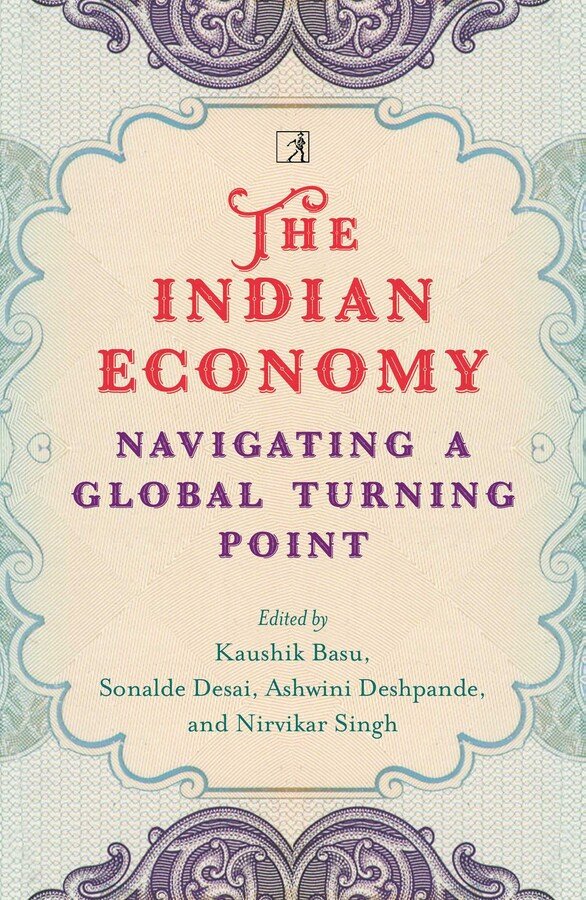
Kaushik Basu, the Carl Marks Professor of International Studies at Cornell, explores this pivotal moment in The Indian Economy: Navigating a Global Turning Point, released on August 27. Co-authored with a team of distinguished economists and sociologists—including Sonalde Desai, Ashwini Deshpande, and Nirvikar Singh—the book examines India’s development journey. It traces the nation’s path from the state-led planning of its early years through the economic liberalization of the 1990s to the unresolved dilemmas of today.
The central question posed by the authors is whether India can harness its massive demographic scale, technological prowess, and entrepreneurial energy to build an equitable model of growth. The contributors weigh in on how the nation can expand human capabilities, strengthen institutions, and ensure the fruits of globalization are distributed more widely.
Documenting Heritage in Conflict
While India looks toward its future, other scholars are working to preserve the past. In Heritage Forensics: Culture on the Front Lines of the Armenia-Azerbaijan Conflict (released July 15), Cornell researchers Lori Khatchadourian and Adam T. Smith detail their work with the Caucasus Heritage Watch (CHW).
Since 2021, CHW has utilized satellite imagery and forensic spatial analysis to document the destruction of churches, cemeteries, and monuments in the South Caucasus. The book provides an authoritative record of how the protracted conflict has impacted the “heritagescape” of the region, offering a new framework for scholars and humanitarians to protect cultural sites threatened by war, bigotry, and systemic secrecy.
The Crucible of World War II
Shifting the focus to the mid-20th century, Tejasvi Nagaraja, an assistant professor of labor history at Cornell’s ILR School, challenges the traditional narrative of American consensus during World War II.
In Troop Movements, due out September 22, Nagaraja reconstructs the war as a period of intense social, racial, and labor-related friction. By synthesizing archives from U.S. and British government offices, labor unions, and civil rights organizations, he argues that the military mobilization of the era brought disparate groups of workers into contact, sparking alliances and conflicts that ultimately defined the postwar era. Nagaraja contends that understanding modern U.S. domestic and foreign policy requires accounting for the “entangled experiences” of the mass workforce that powered the country’s rise as a global superpower.
Together, these three works highlight the power of interdisciplinary research to illuminate the historical and contemporary pressures—from economic development and war to labor and human rights—that define the global order.