







Indian Education Minister Resigns Following Massive Protests Marked by Unlikely Interfaith Solidarity
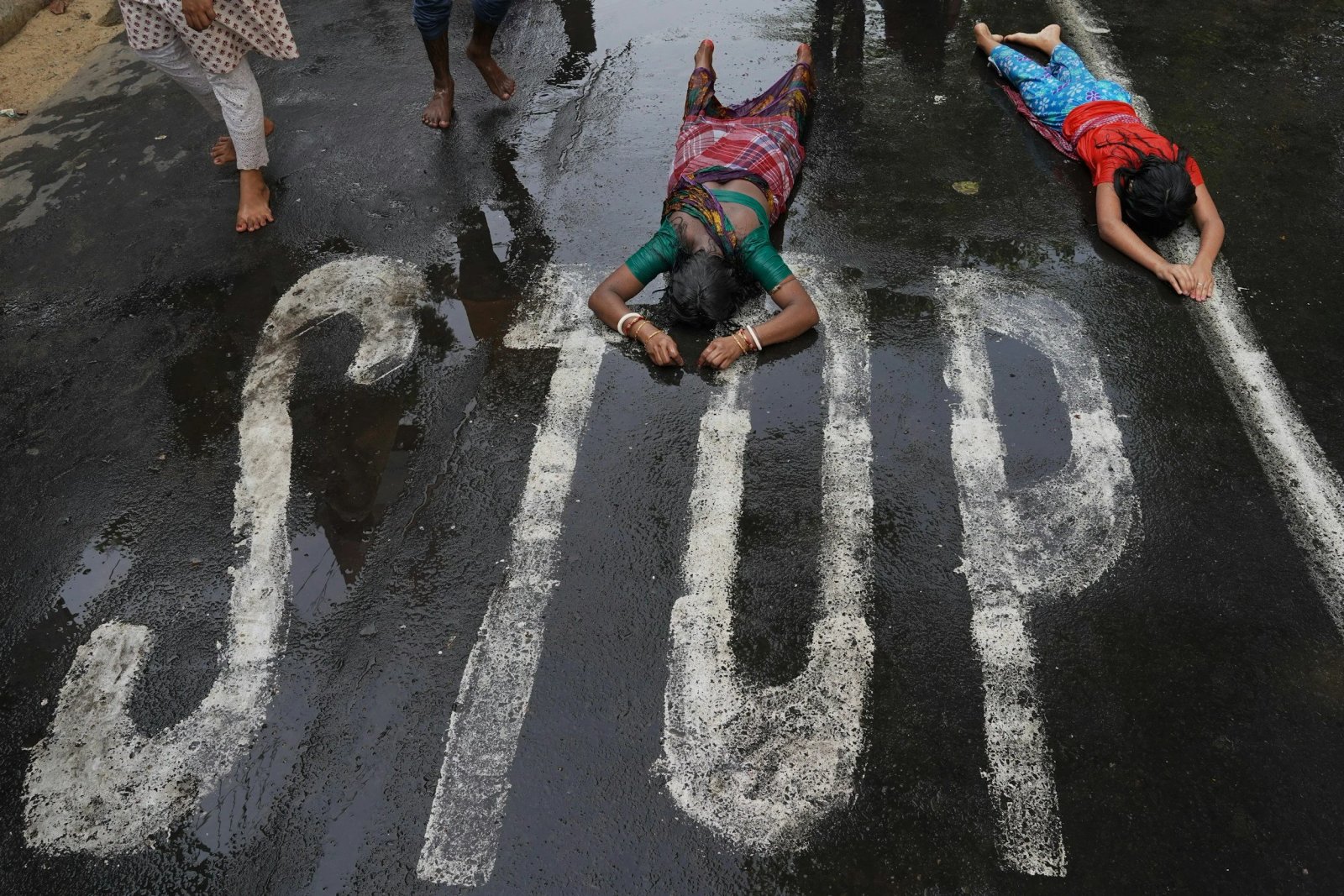
NEW DELHI — Indian Education Minister Dharmendra Pradhan has resigned, capping off nearly two months of intense student-led demonstrations sparked by allegations of widespread paper leaks in national medical entrance examinations. The movement, which centered in the capital, saw thousands of students demand accountability, eventually forcing a major cabinet shakeup within the administration of Prime Minister Narendra Modi.
While the protest was fundamentally about academic integrity and youth opportunity, it evolved into an unexpected and powerful demonstration of interfaith unity in a country that has seen deep-seated religious polarization over the past decade.
A Unified Front Amidst Political Tension
The demonstrations, organized under the banner of the “Cockroach Janata Party” (CJP) movement, became a laboratory for cross-communal solidarity. At the protest sites in New Delhi, the atmosphere was defined by shared sacrifice: Muslim volunteers distributed free meals to protesters, while Buddhist monks were observed fanning Muslim men during their prayers under the sweltering heat.
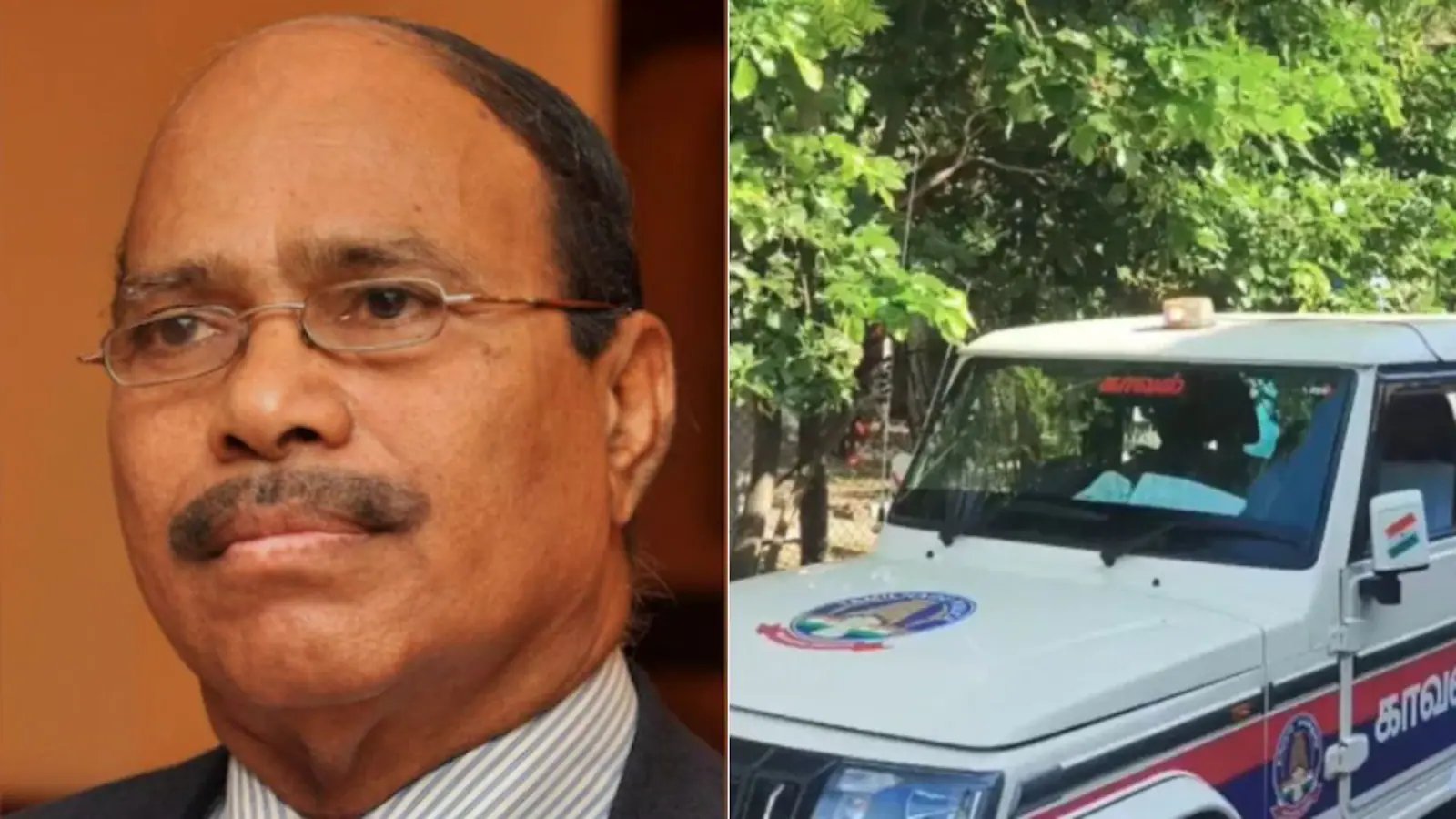
The reach of the movement extended beyond the streets. The Malankara Orthodox Syrian Church issued a formal condemnation of the heavy-handed police response against the students, urging the government to pivot toward dialogue. This support from Christian, Sikh, and Hindu clergy served as a direct challenge to the divisive rhetoric that has characterized Indian politics since 2014.
Challenging Institutional Polarization
The context of these protests is a nation grappling with a decade of rising religious tensions. Hindu nationalist groups, often aligned with the ruling Bharatiya Janata Party (BJP) and its ideological parent organization, the Rashtriya Swayamsevak Sangh (RSS), have been accused of enjoying systemic impunity.
According to the South Asia Justice Campaign, at least 100 Muslims were physically targeted in religiously motivated hate crimes in the second quarter of 2025 alone. Simultaneously, organizations like Open Doors have documented a surge in violence against Christians, reporting 16 deaths and over 1,600 detentions within the Christian community as of 2026.
Despite this climate of fear, the youth-led movement has pushed back, rejecting attempts to view the protests through a communal lens. When state forces cracked down on demonstrators with lathi-charges and tear gas on July 20, local gurdwaras and mosques opened their doors to provide refuge to fleeing students, standing in stark contrast to nearby Hindu temples that allegedly barred entry to the protesters.
The Battle for the Narrative
As the protests gained momentum, government supporters and segments of the mainstream media attempted to delegitimize the movement by labeling it “anti-Hindu.” Social media campaigns sought to frame the presence of Sikh ceremonial weapons (kirpans) and Islamic slogans as evidence of a violent agenda.
Fact-checking organizations, such as BOOM, debunked these claims, revealing that videos circulating on social media had been deceptively cropped to exclude the broader message of universal unity being projected by speakers at the site.
The backlash against participants has been severe. One Muslim activist who provided food for the protesters filed a petition with the Supreme Court, alleging that the Delhi Police harassed him, detained him for hours, and orchestrated raids on his family members’ homes in a neighboring state.
A New Generation’s Message
The resignation of Minister Pradhan marks a significant victory for the student movement, but the underlying social message may have more long-term implications for Indian democracy.
Despite the attempts by political actors to sow distrust among protesters, the diverse coalition of students, clergy, and ordinary citizens has signaled a shift in the national discourse. For many young Indians, the message is clear: the era of weaponizing religion to fragment the populace is being rejected in favor of a new, inclusive identity. As one participant noted, the youth of India have served notice that they will no longer be divided by the identity politics that have defined the last decade of governance.