








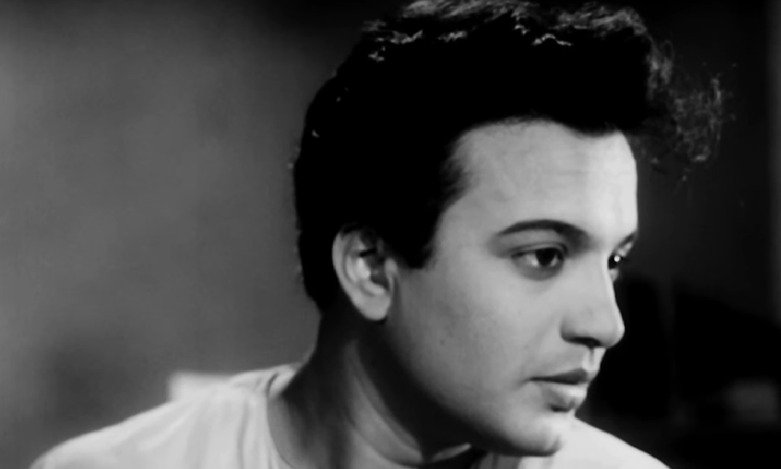
The Uncrowned King of Bengal: Revisiting Uttam Kumar’s Complex Tryst with Bollywood
As West Bengal commemorates the birth centenary of its ultimate matinee idol, the air is thick with nostalgia for the man who defined an era of Bengali cinema. Known universally as the Mahanayak (Great Hero), Uttam Kumar’s legacy remains an untouchable pinnacle of charisma and talent. While legends like Saptapadi, Nayak, and Antony Firingee are etched into the cultural DNA of every Bengali household, a lesser-known chapter of his life—his turbulent relationship with the Hindi film industry—reveals a fascinating side to the icon that many younger fans have yet to explore.
The Big Bollywood Gamble
For all his dominance in Kolkata, Uttam Kumar’s attempts to capture the national imagination in Hindi cinema were marked by both irony and heartache. Perhaps the most poignant example of this was Chhoti Si Mulaqat (1967). Having starred in the 1954 blockbuster Agni Pariksha, Uttam decided to produce and star in its Hindi remake. Despite his pedigree, the film was a commercial disaster that pushed the star toward bankruptcy.
The irony is striking: many of Uttam’s iconic Bengali hits were remade into massive Hindi successes by other actors. Films like Chhoddobeshi (remade as Chupke Chupke), Bhranti Bilas (as Angoor), and Nishipadma (as Amar Prem) became cinematic milestones in Hindi, yet the man who breathed life into the original roles often found himself sidelined in the national market.
The “What-Ifs” of Stardom
Historians and film buffs often speculate on what might have happened had the Mahanayak ventured into Bollywood earlier. He famously turned down roles that could have altered his trajectory. He declined an offer to play the lead in Raj Kapoor’s Jagte Raho and famously rejected the role later played by Rajendra Kumar in the iconic Sangam, viewing it as a “second lead” role beneath his stature at the time. He even reportedly declined a role in Bees Saal Baad because he felt the heroine had too much prominence.
By the time the Bengali icon sought a serious foothold in Mumbai in his 40s, the landscape was already occupied by titans like Dilip Kumar, Dev Anand, and the rising star power of Rajesh Khanna and Amitabh Bachchan.
The Final Trysts
Despite the setbacks, Uttam Kumar’s talent was undeniable. He eventually found a degree of success in Hindi with Shakti Samanta’s Amanush (1975) and Anand Ashram (1977). He also collaborated with auteurs like Gulzar in Kitaab (1977) and worked on ambitious projects like Dooriyan.
His final Hindi outing was the 1982 film Desh Premee, where he shared the screen with Amitabh Bachchan. It is a moment immortalized in cinema history, with the “Angry Young Man” of Bollywood paying homage to the Bengal legend by touching his feet upon meeting him. Though the film did not fare well at the box office, Bachchan later took to social media to honor the man he called “Guru from Bengal,” sharing a photo of their time together.
An Enduring Legacy
Forty-six years after his passing, the status of this Mahanayak remains unchallenged in his home state. Critics argue that his late start in Hindi cinema may have prevented him from reaching the same pan-Indian commercial heights as his contemporaries. Yet, for millions, this does little to diminish his stature.
Whether he succeeded in Bollywood or not is a footnote in a much grander story. Uttam Kumar did not need the national stage to define his greatness; he was, and remains, the undisputed king of hearts in Bengal, a performer whose range and charisma possess a permanence that even the most successful box-office hits cannot replicate.