








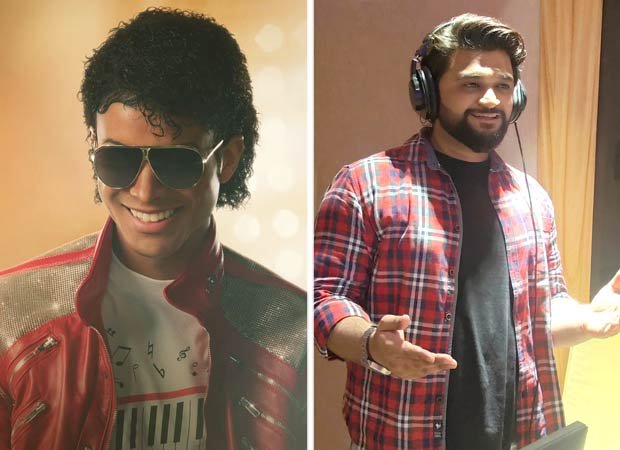
The Voice Behind the Icons: Ketan Kavva on the Art and Evolution of Dubbing
In the world of global cinema, while subtitles cater to the purists, a vast majority of the audience relies on the skill of dubbing artistes to bridge the linguistic divide. Often referred to today as “voice actors,” these professionals are the unsung heroes who ensure that an international performance resonates with local audiences. Among the most seasoned names in this field is Ketan Kavva, a veteran with over 15 years of experience who has lent his voice to some of the most iconic characters in modern entertainment.
From Rs. 300 to Global Icons
Ketan Kavva’s journey into the world of voice acting began humbly. His first professional assignment was a single line of dialogue for the Shahid Kapoor and Kareena Kapoor Khan starrer, Chup Chup Ke, for which he earned a modest Rs. 300. Looking back, Kavva views that first paycheck not as a small amount, but as the cornerstone of his career. “It gave me the confidence that I could actually build a career out of dubbing,” he reflects.
Fast forward to today, and Kavva has ascended to high-profile roles, most notably providing the Hindi voice for Jaafar Jackson in the biopic Michael. Portraying the legendary Michael Jackson required more than just translation; it demanded a deep understanding of the star’s mannerisms, pauses, and emotional delivery. “My first priority was to make sure that the Hindi voice felt authentic,” Kavva explains, emphasizing the need to complement the on-screen performance rather than simply mimicking the icon.
Mastering the Craft
Kavva’s career is defined by versatility. Beyond live-action dramas, he has made his mark in the superhero genre and animation. He is the voice behind Tom Holland’s Spider-Man in Gujarati dubs, including Spider-Man: Homecoming and Spider-Man: Far From Home. Additionally, he has lent his voice to characters in Netflix’s Sharkdog, Superpupz, and the Hindi version of Kalki 2898 AD. Perhaps most remarkably, he has served as the Hindi voice for the lead character Robin in Teen Titans Go! for over a decade.
For Kavva, the true essence of the profession is “invisibility.” He notes, “The biggest challenge is to make people forget that they are watching a dubbed performance. The audience should feel that the character is actually speaking in their language.” This requires a blend of acting, precise timing to match lip movements, and, most importantly, emotional intelligence.
The OTT Revolution
The rise of Over-The-Top (OTT) platforms has acted as a catalyst for the dubbing industry. According to Kavva, the increased consumption of international content has shifted the perception of dubbing from a secondary service to a vital component of film distribution.
“Today, there is much more awareness about the importance of a good dubbed performance,” he says. However, he warns that this growth brings increased competition, forcing artists to constantly refine their linguistic and acting skills.
A Legacy of Performance
Ketan Kavva’s passion for the craft is deeply rooted in his family history. Inspired by his uncle, a dubbing veteran who worked on epic shows like Ramayan and Mahabharat in Gujarati, Kavva learned early on that voice acting was a noble and rigorous profession. He recalls his uncle’s stories of the pre-digital era, where precision was paramount and technology offered none of today’s conveniences.
Having successfully navigated the evolution of the industry, Kavva continues to push boundaries. Whether he is voicing a complex human character or experimenting with specialized animal reactions, he remains a testament to the fact that the art of dubbing is about far more than just having a good voice—it is about breathing life into stories, one word at a time.