





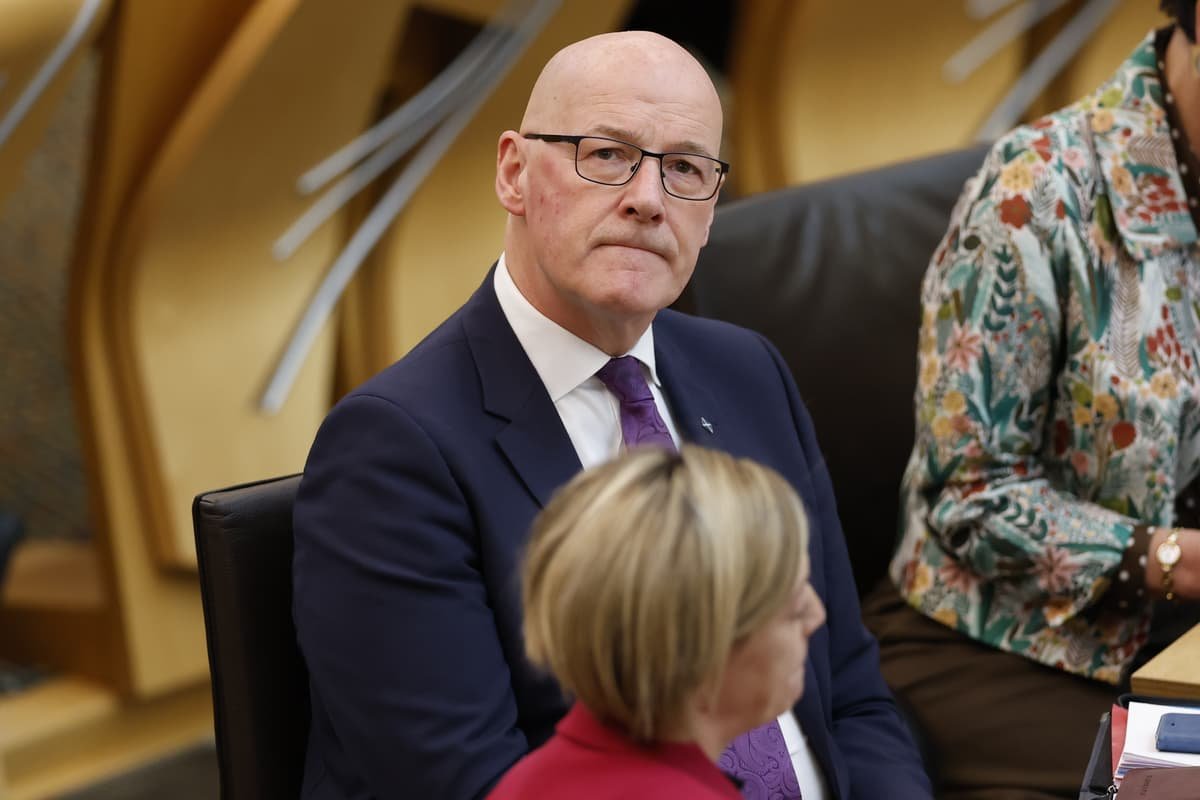
Swinney Warned of Upfront Costs as Scotland’s Environmental Bodies Face Major Shake-up
First Minister John Swinney is facing warnings that his ambitious plan to overhaul Scotland’s public services—intended to drive long-term savings—will require significant upfront capital to succeed.
As part of a sweeping strategy to reshape the public sector, the Scottish Government has announced that key environmental bodies, including the Scottish Environmental Protection Agency (Sepa), NatureScot, and Zero Waste Scotland, are to be merged into a single, unified organization. However, leaders of these agencies have cautioned that the transition process will be complex and resource-intensive.
The “Aspirational” Timeline
Addressing Holyrood’s climate action committee, Nick Halfhide, chief executive of NatureScot, confirmed that his organization is “preparing for transition,” though he emphasized that it remains in the very early stages.
“I think the timeline is aspirational,” Halfhide said, while noting that the move was communicated to staff with as much transparency as possible. He stressed that success depends on adequate government investment, stating: “We all know that requires resourcing upfront to make sure we not only get the mechanics of this right, but as importantly, we work with our people.”
The merger comes amid broader public sector reforms spearheaded by the First Minister. These plans include consolidating Scotland’s 14 territorial health boards into two and restructuring the current 32 local authority areas.
Staff Concerns and Employment Future
While trade unions have expressed concern regarding potential job losses, leaders within the environmental agencies are attempting to maintain morale. Sepa chief executive Nicole Paterson reported that the news of the merger had “landed better with staff than I had anticipated,” describing the prospect of a single environmental body as a “compelling vision” for long-term impact.
Both NatureScot and the Scottish Government have reiterated a “no compulsory redundancies” policy. However, the First Minister has been clear that the overall public sector workforce will likely shrink as part of the drive to plug an estimated £5 billion budget gap by the end of the decade. When pressed, Mr. Swinney conceded that he expects a reduction in the number of high-paid civil service roles as the restructuring takes hold.
Skepticism Over Efficiency Gains
The ambitious nature of the government’s reforms has drawn cautious responses from experts. Stephen Boyd, director of the think tank IPPR Scotland, recently warned MSPs that political expectations regarding the savings generated by merging public bodies are often “wildly optimistic.”
As the government pushes forward, the primary challenge remains balancing the need for radical fiscal efficiency with the practical reality of merging distinct, complex institutions. For now, the leadership of Scotland’s environmental sector is calling for a collaborative approach—one that prioritizes supporting staff through the transition while ensuring the new, unified body has the necessary resources to deliver on its environmental mandate.