







Herbal Supplements Pose Hidden Doping Risks for India’s Asian Games Squad
BENGALURU: As India’s elite athletes sharpen their focus ahead of the upcoming Asian Games, a shadow of uncertainty looms over their preparation. The Athletics Integrity Unit (AIU) has ramped up random, targeted testing, sparking deep concerns among experts that the widespread use of unregulated herbal supplements could inadvertently trigger an Adverse Analytical Finding (AAF).
The Hidden Danger in Traditional Remedies
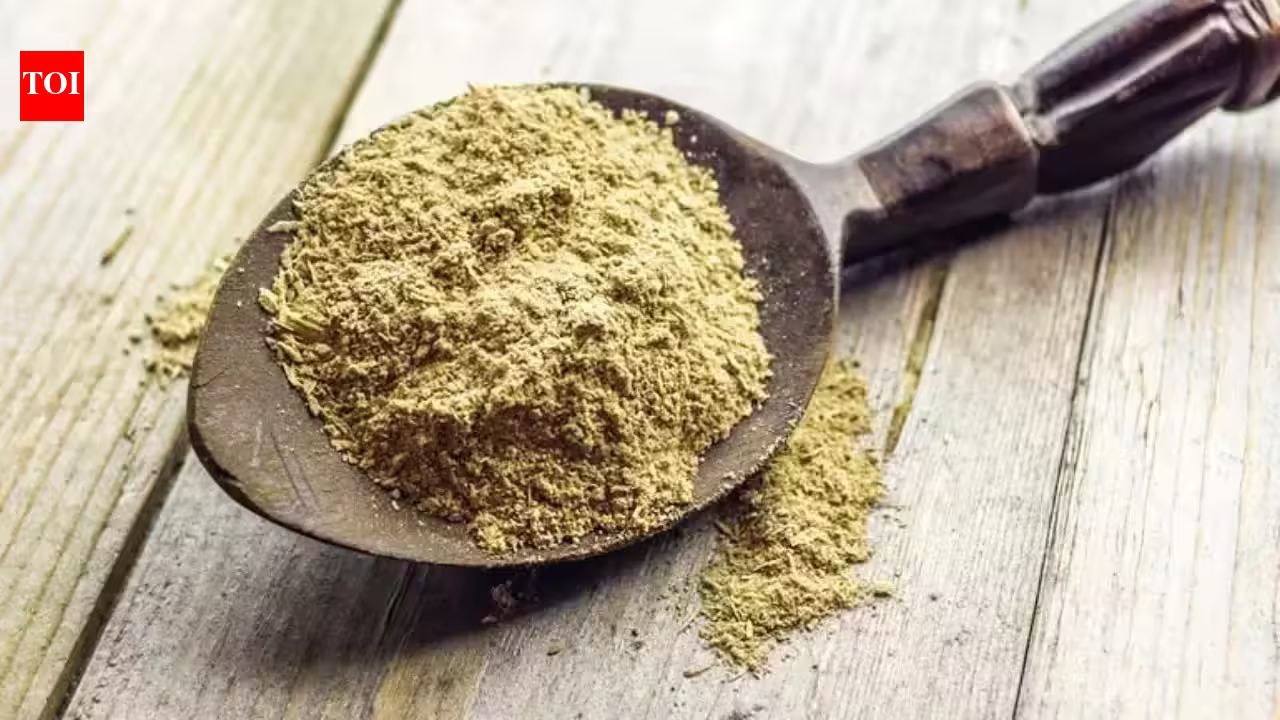
While many athletes at national training camps rely on traditional herbal supplements for recovery and performance, the lack of rigorous quality control poses a significant risk. Experts highlight that substances like ashwagandha, shilajit, bhasmas, and the highly-prized kida jadi (Cordyceps sinensis) are frequently used, often without formal disclosure to medical teams.
Kida jadi, a Himalayan fungus that can retail for as much as Rs 16–20 lakh per kilogram, is a popular, albeit expensive, choice. Despite its long history of use in India, experts warn that these products are rarely third-party tested for purity. There is growing anxiety that these supplements may contain trace amounts of metabolites currently listed on the World Anti-Doping Agency (WADA) prohibited list.
“Many of these products are not tested for their ingredients,” one expert noted. “These metabolites may not have triggered a positive result in local National Anti-Doping Agency (NADA) tests, but in the advanced, high-sensitivity testing conducted by the AIU at WADA-accredited labs abroad, the outcome could be career-ending.”
Mihira Khopkar, who served as a nutritionist for the Indian contingent at the Paris Olympics, emphasized that there is little room for error at the elite level. “It is almost non-negotiable that high-performing athletes choose supplements that are not only evidence-based but also third-party tested,” she stated.
Unprecedented Global Scrutiny
The testing currently being conducted is described as the most intensive in the history of Indian athletics. Officials from the AIU have been systematically visiting training hubs in Bengaluru, Bhubaneswar, and Patiala to collect samples from the nation’s top prospects.
This shift comes on the heels of alarming data: as of July, India led the AIU’s list of global doping offenders with 162 names, surpassing both Kenya and Russia. Consequently, the Athletics Federation of India (AFI) has been reclassified from Category B to Category A, a move aimed at forcing stricter compliance.
AIU Chair David Howman has been critical of the current framework, stating, “Unfortunately, the quality of the domestic anti-doping programme is simply not proportionate to the doping risk.”
The “Omission” Culture
A troubling pattern identified by insiders is that many athletes fail to declare these herbal supplements on their formal declarations. Whether out of a lack of awareness regarding potential contamination or a desire to keep their regimens private, this omission leaves them dangerously exposed.
As the Asian Games approach, the directive to athletes is clear: without verified, third-party certification, the use of traditional supplements is a gamble that could result in disqualification and the end of dreams on the international stage.