






Europe Faces a Climate Reckoning as Record-Breaking Summers Become the New Normal
This summer, Europe was gripped by an environmental crisis that has left the public, investors, and policymakers in a state of deepening anxiety. Following weeks of parched landscapes, unprecedented temperature spikes, failed harvests, and relentless wildfires, the continent is being forced to confront a reality that is no longer a distant threat, but a present danger.
As the natural weather phenomenon El Niño intensifies, meteorologists are already casting their gaze toward future summers. The U.K.’s Met Office has cautioned that 2027 is poised to rival 2024 as one of Europe’s hottest years on record. Even if that specific prediction falls short, the scientific consensus is clear: climate change is ensuring that future heat waves will be longer, more frequent, and far more intense than anything experienced in the past.
“The heat waves and the wildfires have been really direct evidence that people can no longer ignore in front of their eyes,” says Beatrice Mosello, a senior research fellow at the think tank Chatham House. “It’s not just one event that is causing disruptions for a certain amount of time. It is having repercussions on so many different levels of our economy, of our society.”
Public Concern Translates to Political Pressure
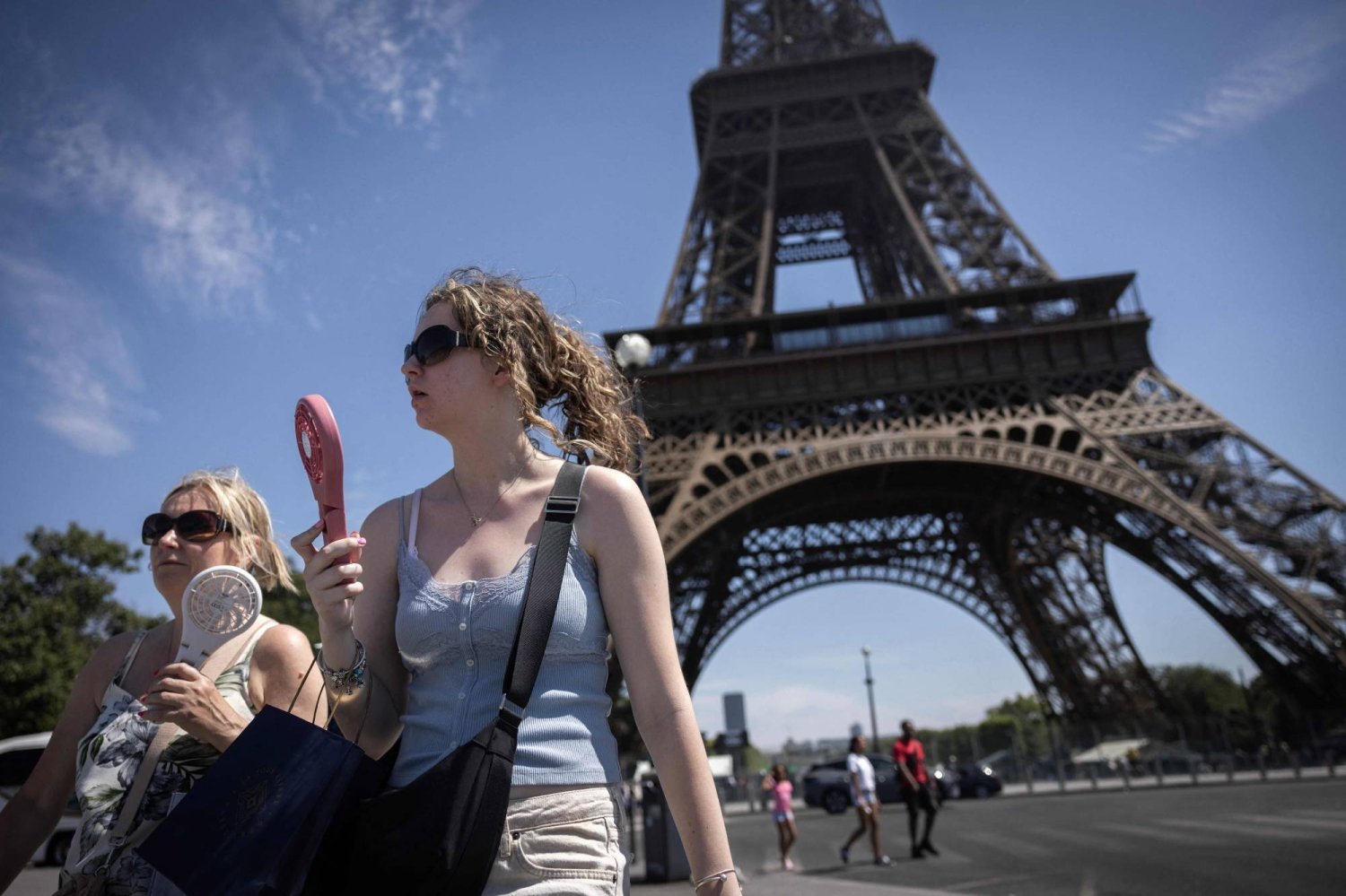
The visceral experience of a warming continent is shifting the political landscape. Following a record-shattering heat wave in France, an Ipsos survey in July revealed a 12-point jump in public concern regarding the environment. Similar trends were observed in Austria and the U.K., where researchers at the firm INTEGRAL noted that the sentiment was driven by a growing perception that national infrastructure is dangerously ill-prepared for extreme weather.
Governments are beginning to respond. In Germany, the environment minister is pushing for constitutional amendments to grant the central government greater authority over climate adaptation, a move prompted by local municipalities admitting they lack the resources to cope. Meanwhile, Spain has announced increased funding for “climate shelters” and upgraded air conditioning in schools. In the U.K., the health secretary has signaled that the National Health Service (NHS) must begin planning for summer surges in demand with the same rigor currently applied to winter pressures.
The Challenge of Infrastructure
While the appetite for policy change is growing, physical adaptation remains a formidable hurdle. Much of Europe’s healthcare infrastructure is housed in aging, poorly insulated buildings. In the U.K., medical staff have reported unsafe working conditions, including incidents of nurses fainting from heat exhaustion.
“I’m optimistic that we will see adaptation to heat waves being a higher priority in the NHS,” says Chris Naylor, a senior fellow at the King’s Fund. “Whether that will happen in time for summer 2027, I’m less confident.”
While major renovations remain stalled by tight national budgets and competing geopolitical crises—including the conflicts in Ukraine and the Middle East—experts suggest that “low-hanging fruit” like reflective roof coatings, solar-control glazing, and enhanced night-time ventilation could offer immediate relief.
The Complexity of Adaptation
The move toward climate-resilient policies is not without friction. Some right-wing populist groups have turned air conditioning into a political wedge issue, framing energy efficiency goals as an assault on the comfort of citizens while dismissing the scientific consensus on human-caused climate change.
Furthermore, relying on air conditioning creates its own paradox: a rush to install cooling units puts immense strain on national power grids, which were already prone to supply-demand mismatches during this year’s summer peaks.
Despite these hurdles, some experts believe this cycle of heat marks a genuine turning point. Emma Howard Boyd, chair of the U.K.’s independent National Heat Risk Commission, argues that the visceral combination of power outages, water shortages, and destroyed landscapes has moved the needle.
“That knowledge that things are only going to get hotter just needs to be really embraced at all levels of government,” Boyd said. “It’s still incumbent on us all that we don’t forget, so that we are better prepared next year.”
For many, the persistent, harsh reality of the latest climate data serves as a somber reminder that in the face of a changing planet, memory is the most essential tool for survival.