








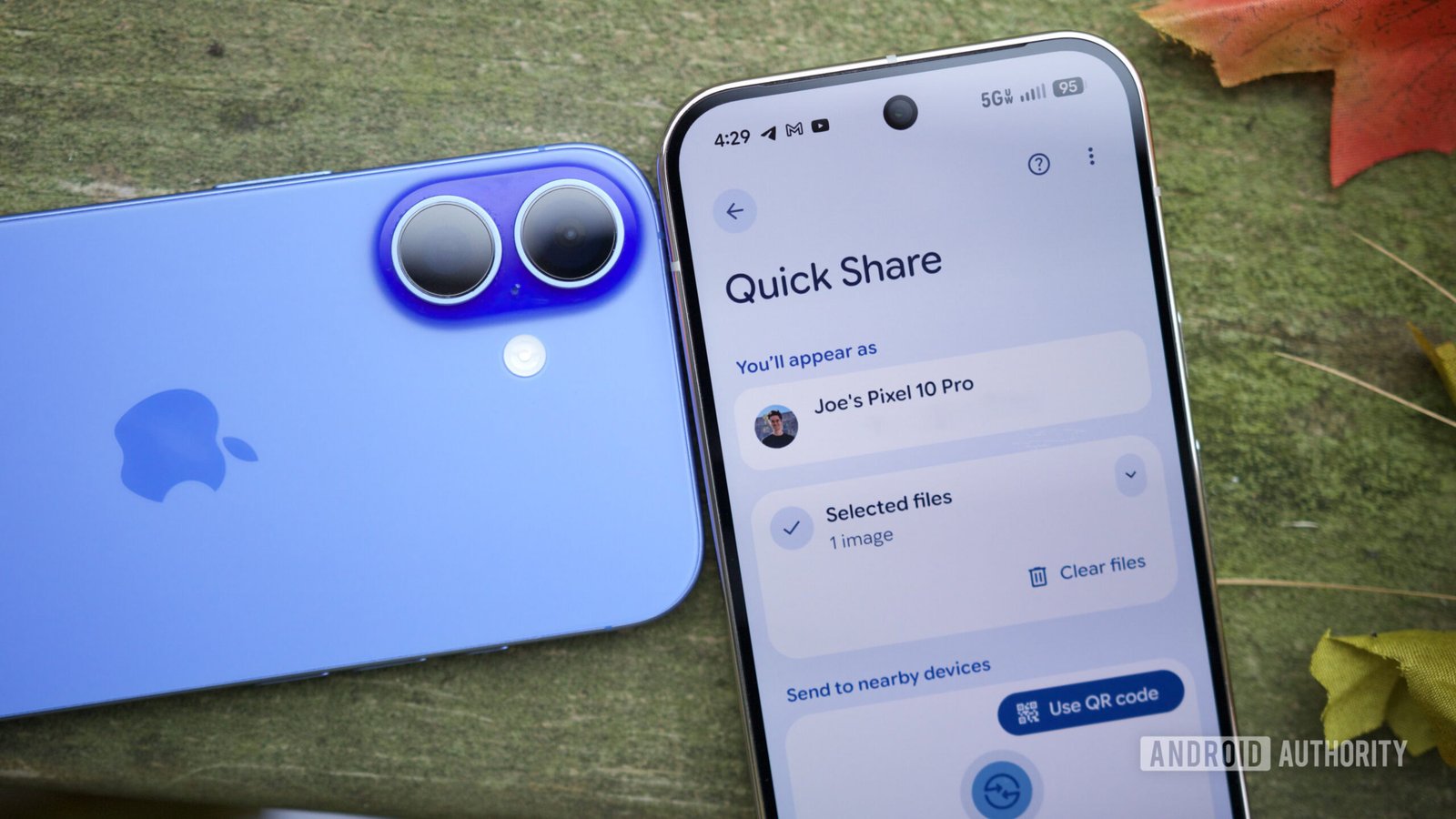
The digital divide between mobile operating systems has long been a frustration for users. Transferring high-resolution photos, documents, or large files between an Android device and an iPhone often requires third-party cloud storage or clunky email workarounds. However, the industry is witnessing a shift toward greater interoperability. Recent reports indicate that Google is expanding the reach of its cross-platform Quick Share functionality, bringing the ability to exchange data seamlessly with Apple devices to a broader range of Pixel hardware.
Expanding the Reach of Cross-Platform Sharing
For years, Apple’s AirDrop held a near-monopoly on convenient, local file transfers, creating a silo that favored those exclusively within the iOS ecosystem. Google’s Quick Share—formerly known as Nearby Share—aimed to solve this for Android users. The introduction of cross-platform support was a significant technical milestone, allowing Android devices to interact with the broader ecosystem of mobile devices.
Initially, this feature was restricted to the newest flagship hardware, such as the Pixel 8a and later models. This limited availability left many users with capable, slightly older handsets unable to participate in the new sharing standard. The current reports, however, suggest a transition toward a more inclusive support model, as users of Pixel 7 and Pixel 8 devices have begun to receive system notifications regarding the availability of this cross-platform functionality.
Technical Hurdles and Phased Rollouts
While the appearance of notification prompts is a positive indicator, the rollout appears to be in an early or experimental stage. Several users have reported seeing the interface elements for cross-platform sharing, yet the functionality itself remains inconsistent. This discrepancy often occurs during phased software deployments, where the user interface layers are updated ahead of the backend communication protocols.
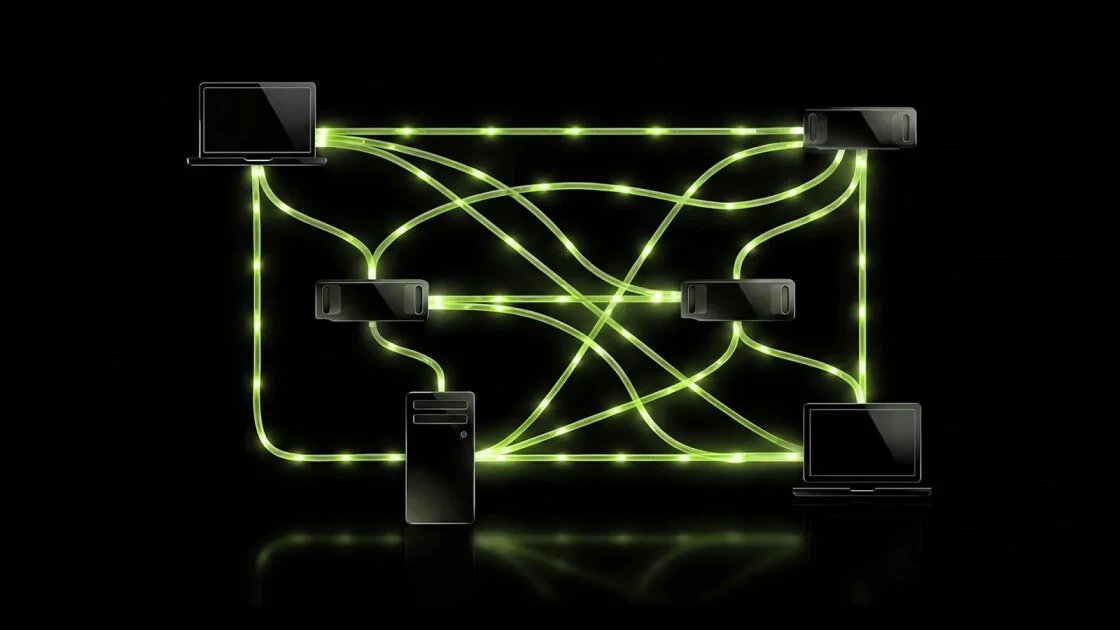
Technical interoperability between Android and iOS requires careful synchronization of wireless protocols. Quick Share relies on a combination of Bluetooth and Wi-Fi to establish a direct connection between devices, bypassing the need for an active internet connection. When bridging the gap to Apple’s proprietary protocols, Google must ensure that the handoff between these radio technologies is precise to prevent data corruption or discovery failures. Consequently, it is common for users to see the feature appear in their settings or menus before the underlying firmware is fully calibrated to handle the handshake with Apple’s hardware.
Impact on the Mobile Ecosystem
The implications of this update go beyond mere convenience. For casual users, the ability to transfer files without relying on internet-dependent services like Google Drive or iCloud Photos reduces data usage and increases privacy, as the transfer happens locally between devices. In professional settings, this capability can streamline workflows for collaborative teams that do not share a uniform hardware standard.
If the expansion continues to hit more Android manufacturers beyond the Google Pixel lineup, it could force a paradigm shift in how users perceive mobile operating systems. When the physical barrier to moving data is removed, the choice between iOS and Android becomes less about ecosystem lock-in and more about individual preference for hardware design and interface utility. This move effectively diminishes the “walled garden” strategy, potentially pressuring other manufacturers to adopt more open standards for device communication.
What Users Should Expect Next
For those currently using a Pixel 7 or Pixel 8, the appearance of these notifications serves as an invitation to monitor their device for subsequent system updates. Because the functionality depends on both system-level software and Google Play Services, it is unlikely to arrive through a single, uniform update for all users. Owners should keep their device software and Google Play System updates current to ensure they receive the necessary patches.
While Google has not yet provided a comprehensive list of all supported hardware or a definitive timeline for a full release, the current activity is a strong signal of intent. The inclusion of the Pixel Tablet in these reports further suggests that the rollout is not limited to smartphones but is intended to cover the entire Google hardware portfolio.
As the industry moves toward this more integrated future, users should remain patient with initial inconsistencies. The integration of cross-platform file sharing is a complex engineering task that requires high-level cooperation and rigorous testing to maintain security and performance standards. Once the infrastructure is fully stabilized, the days of struggling to move a single image from a Pixel to an iPhone may soon become a relic of the past. As further information becomes available regarding broader compatibility or specific hardware requirements, users can expect these features to become a standard component of the modern mobile experience.
Disclaimer: This content is auto-generated for informational purposes only.
Source: Read Original News