







Clarifying the Future of PlayStation Disc Production
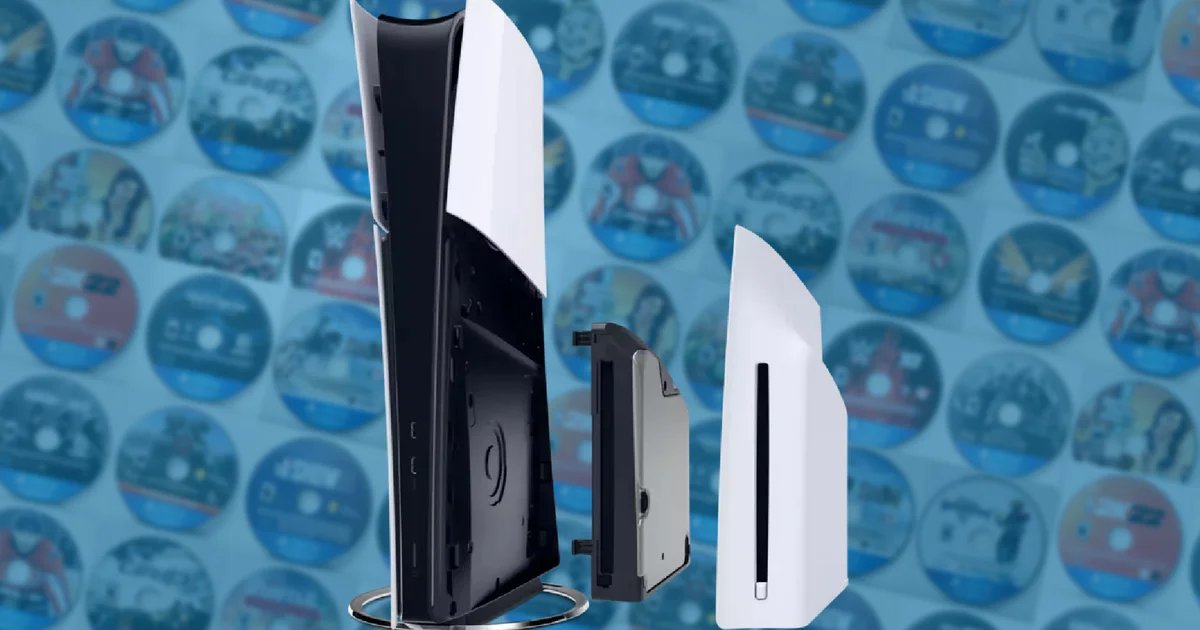
Sony has recently moved to address widespread misinformation regarding the future of its physical media operations. Following reports that claimed the company intended to gut its disc manufacturing output by 90 percent, a spokesperson from Sony Digital Audio Disc Corporation (DADC) has issued a clarification. The company expects an overall product volume decline of 10 percent by 2028, rather than a catastrophic reduction down to 10 percent of current levels.
The confusion appears to have originated from comments made by DADC chief Dietmar Tanzer during an industry event in July. While the 10 percent figure remains a notable pivot, it represents a moderate recalibration rather than an immediate cessation of physical media logistics. This adjustment occurs against the backdrop of Sony’s formal announcement that it will cease the production of physical discs for new games starting in January 2028. Importantly, this mandate applies only to new releases; titles already in circulation or scheduled for launch prior to that date remain unaffected, and reorders for existing inventories will continue.
The In-House Manufacturing Strategy
Unlike competitors in the gaming hardware space, such as Microsoft, Sony maintains a highly centralized approach to physical media. While Microsoft utilizes a network of authorized third-party replicators to manage the pressing of Xbox discs under specific licensing agreements, Sony keeps the entire manufacturing lifecycle in-house. By routing production through the DADC, Sony exerts total control over the supply chain, quality assurance, and distribution logistics.
This structural choice allows Sony to maintain proprietary oversight, but it also means the company bears the full burden of market fluctuations. As the industry trends toward digital storefronts, the overhead associated with running these specialized manufacturing plants becomes more difficult to justify. Analysts have noted that the push toward a digital-first ecosystem is financially driven, as revenue generated through the PlayStation Store provides significantly higher margins compared to the split-revenue model inherent in traditional retail distribution.
The Economic and Brand Implications
The shift toward digital distribution has sparked a debate regarding corporate strategy and brand equity. Former chairman of Sony Interactive Entertainment Worldwide Studios, Shawn Layden, has weighed in on the transition, suggesting that while the fiscal math favoring digital sales is clear, the long-term impact on brand loyalty is far less certain. He noted that companies often focus on short-term balance sheets while ignoring the potential for a “brand value drop” when consumer expectations are disregarded.
From a commercial standpoint, the elimination of physical discs effectively dismantles the secondary resale market. When a game is tied to a digital account, the ability for a user to trade, sell, or lend their purchase is removed, funneling all consumer spending into the primary digital storefront. Industry experts suggest this is a key driver for the transition, as it ensures that every transaction flows directly back to the platform holder rather than through third-party retail channels.
The Persistence of Physical Media
Despite the industry’s aggressive push toward digital accessibility, there remains a persistent demand for physical ownership. Layden argues that for many enthusiasts, the collection process—owning physical boxes, steelbooks, and collector’s editions—is a fundamental aspect of the gaming experience. He compared the current state of physical media to the resurgence of vinyl records, noting that even when a format is declared obsolete, the “ember” of collector interest often keeps the medium alive long after mass-market support fades.
Boutique publishers like iam8bit continue to advocate for the value of physical products, expressing a desire to maintain manufacturing partnerships even as major platform holders pull back. There is speculation that third-party manufacturers, such as the Memphis-based Conectiv Supply Chain Solutions, could potentially fill the void left by larger corporate entities. Whether such companies can secure the necessary licensing to bridge the gap between digital-only mandates and collector demand remains the critical uncertainty for the next five years.
Consumer Backlash and the Definition of Ownership
The friction between Sony’s current roadmap and its user base reached a boiling point during recent developer showcases. Live streams have been inundated with messages from fans protesting the digital-only policy, highlighting a fundamental disagreement over what constitutes “ownership” in the modern era. As the model shifts from purchasing a tangible asset to acquiring a temporary license for accessibility, players have grown increasingly vocal about their concerns.
This protest is amplified by a broader dissatisfaction regarding the state of “live service” titles and ongoing concerns over digital rights management. When users realize they cannot resell their digital libraries—unlike their historical physical collections—the distinction between “owning” a product and “renting” access becomes stark. As 2028 approaches, Sony must navigate the delicate balance between the efficiency of digital distribution and the vocal resistance of a community that continues to prize the tangible, permanent nature of physical media. The coming years will be a test of whether the company can sustain its brand prestige while enforcing a transition that a significant portion of its core audience actively rejects.
Disclaimer: This content is auto-generated for informational purposes only.
Source: Read Original News