








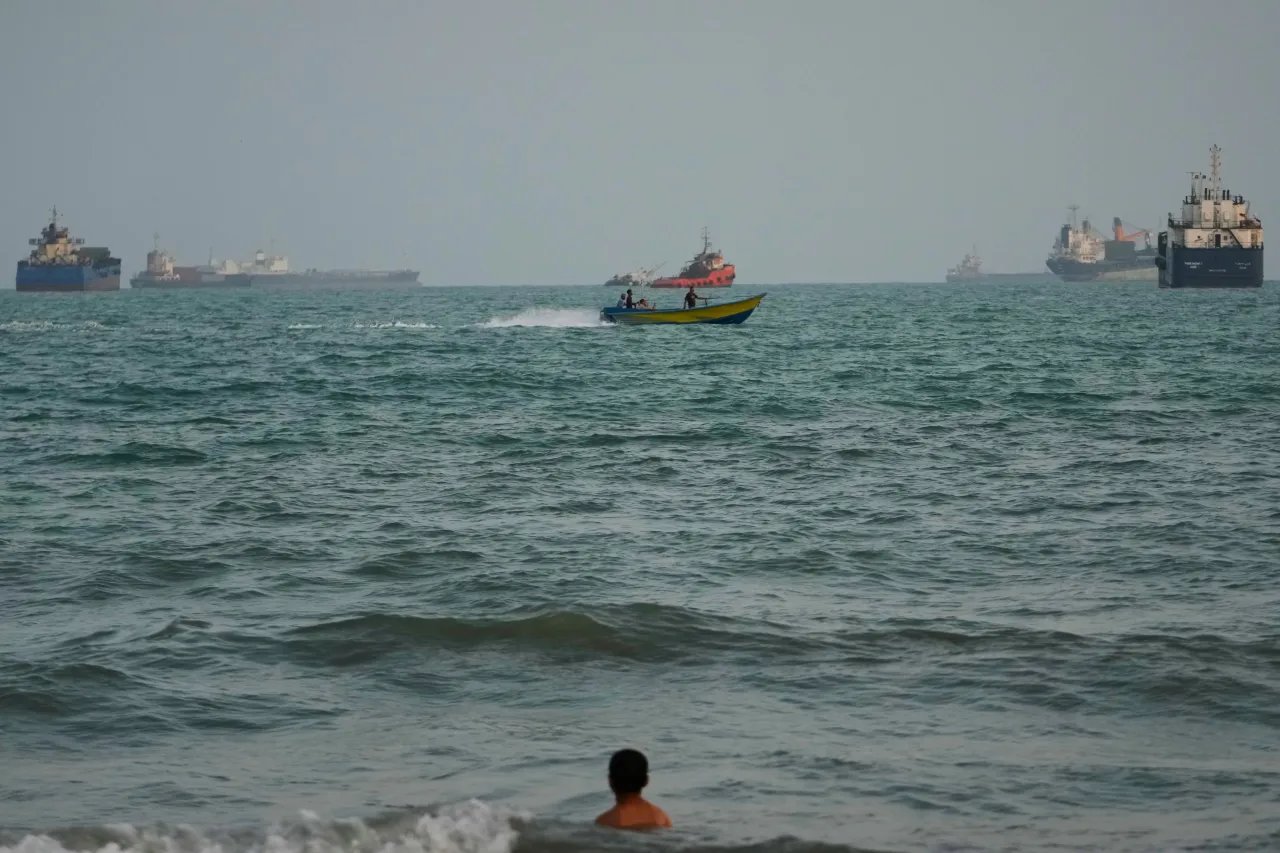
CAIRO — Tensions in the Persian Gulf have escalated sharply following reports that Iranian forces intercepted and struck an unmanned U.S. maritime vessel attempting to transit the Strait of Hormuz. The incident, which occurred Sunday, marks a significant escalation in the ongoing regional friction between Tehran and Washington. While official confirmation from the Pentagon remained pending as of Sunday evening, the event has already triggered a cascade of responses across the global intelligence and defense-tech communities.
## The Intersection of Autonomous Warfare and Global Stability
The use of unmanned surface vessels (USVs) in a critical geopolitical chokepoint like the Strait of Hormuz highlights a growing trend: the shift toward autonomous and remotely piloted military hardware. For the tech industry, this event serves as a stark reminder of how AI-driven platforms are reshaping modern statecraft.
Tech giants, including those deeply involved in the Pentagon’s recent push for AI integration—such as Google with its Project Maven and various cloud-computing partnerships—are increasingly finding their software embedded in the machinery of modern defense. As these unmanned systems rely heavily on advanced computer vision, real-time data processing, and satellite-linked navigation, the stability of the software infrastructure is becoming as critical as the hardware itself. The vulnerability of these autonomous drones to electronic interference or physical interception suggests that the next frontier of regional conflict will not just be fought with conventional munitions, but with code, signals intelligence, and algorithmic adaptability.
## Intelligence Oversight and the Role of AI Analytics
In the wake of this maritime skirmish, analysts are pointing toward the role of AI in predictive defense and situational awareness. Google News platforms and other intelligence aggregators are currently processing vast amounts of telemetry data, social media sentiment, and satellite imagery to provide real-time updates on the situation.
The move toward “AI-assisted intelligence” means that modern military commanders are increasingly dependent on machine learning models to differentiate between legitimate commercial traffic and potentially hostile unmanned incursions. When a situation evolves as rapidly as the incident in the Strait of Hormuz, the accuracy of the underlying algorithms becomes paramount. A misclassification by an automated monitoring system could turn a routine maritime transit into a full-scale diplomatic crisis. The tech industry, particularly companies specializing in cloud-based geospatial analytics, is under pressure to provide tools that can minimize false positives in high-stakes environments where every second counts.
## Navigating the Challenges of Tech-Enabled Diplomacy
The incident has also raised questions about the ethics and security of relying on AI in international waters. As Iran and the U.S. continue to test the limits of their respective technological capabilities, the potential for an accidental escalation triggered by a malfunctioning autonomous unit is a growing concern.
For the broader tech sector, this underscores the complexity of “dual-use” technology. While the advancements made in AI navigation and maritime autonomy were designed to streamline global trade and improve safety for human sailors, these same features are now being repurposed for high-stakes geopolitical posturing. Silicon Valley leaders are finding it increasingly difficult to remain neutral as their products move from the consumer sector into the center of geopolitical theater.
As the situation in the Strait of Hormuz remains fluid, market observers are watching for potential impacts on the tech supply chain, particularly regarding the security of regional communications infrastructure. Both the defense establishment and the private sector now face a reality where the digital and physical realms are inextricably linked—meaning that a strike on a drone at sea is not just a military event, but a stress test for the entire ecosystem of software and AI that supports modern global operations.
Disclaimer: This content is auto-generated for informational purposes only.
Source: Read Original News