







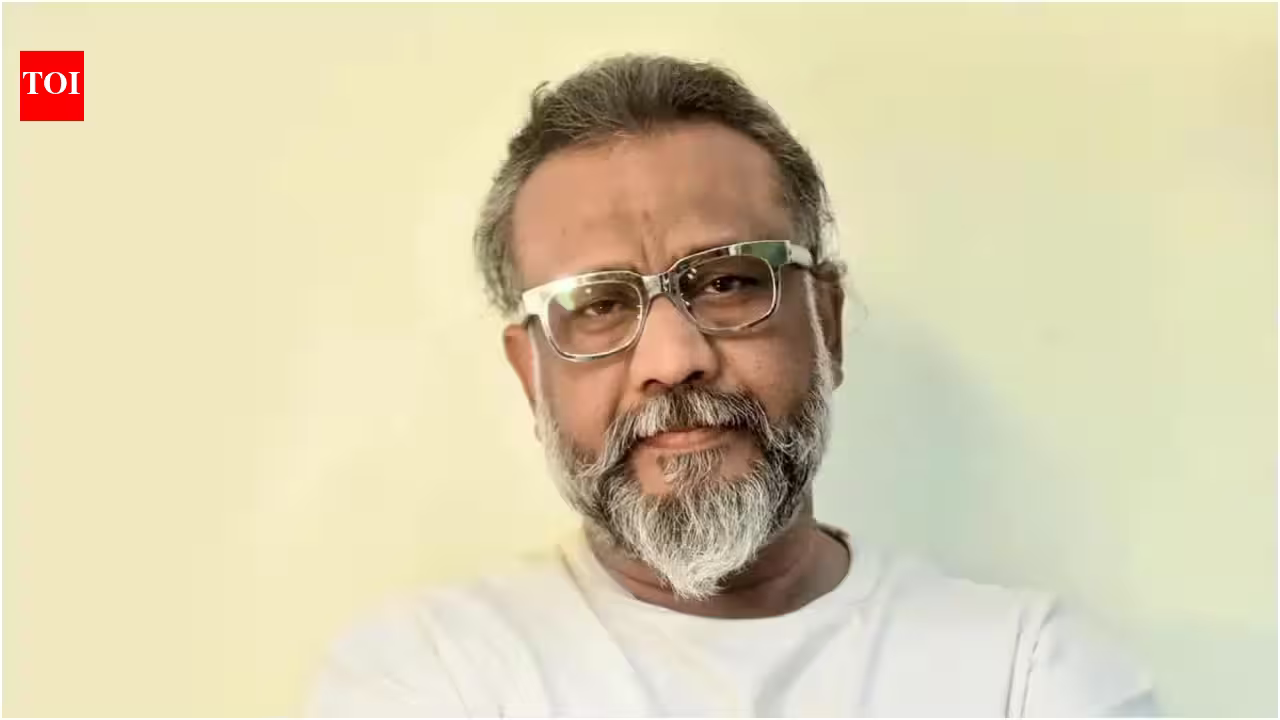
The Hindi film industry is currently undergoing a seismic shift, one that has left trade analysts scrambling for answers and filmmakers reflecting on the changing landscape of audience taste. At the center of this conversation is acclaimed director Anubhav Sinha, who recently took to social media to offer a sobering, nuanced take on the dual successes of Mirzapur – The Movie and the breakout phenomenon Hanuman Ansh.
While box-office tracking is often reduced to crude spreadsheets and opening-day percentages, Sinha believes we are witnessing a much more profound narrative. By labeling these successes as anything but “freak hits,” the Thappad director is challenging the industry to look beyond the surface and acknowledge a fundamental change in how viewers decide what is worth their time and money.
A Signal, Not a Statistical Anomaly
When Anubhav Sinha typed out his congratulations to the team behind Mirzapur – The Movie, he wasn’t just offering a professional nod; he was dropping a breadcrumb for his peers. His statement, “The Box Office is telling us all a story if we watch carefully,” serves as a warning against the industry’s habit of chasing trends without understanding the ‘why’ behind them.
For years, the formula for success in Bollywood was often dictated by star power, marketing budgets, and the safety net of established franchises. However, the rise of both the Mirzapur cinematic extension and the grassroots success of Hanuman Ansh proves that the audience is now operating on an entirely different frequency. Sinha’s assertion—that it is “dangerous” to draw simplistic conclusions—is a direct critique of the industry’s tendency to greenlight projects simply because they mimic the exterior traits of a hit, while ignoring the authentic connection that actually drives ticket sales.
The Grassroots Miracle: The Hanuman Ansh Story
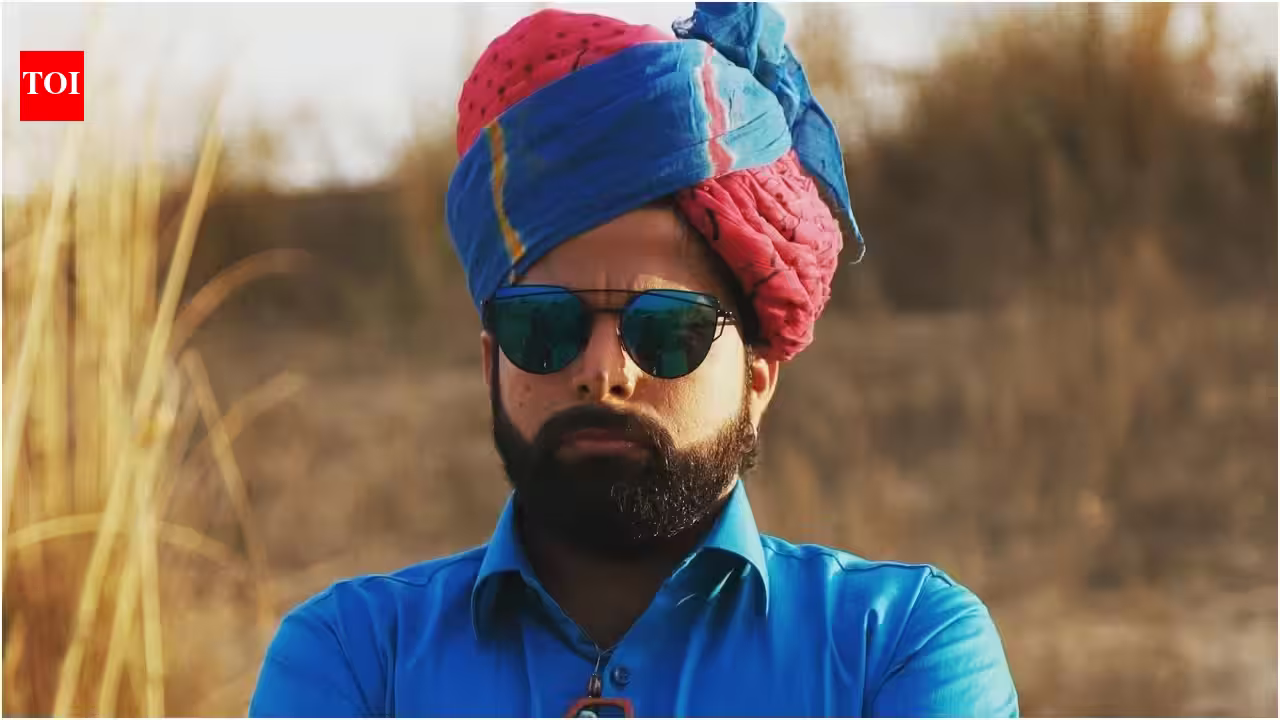
If Mirzapur represents the power of a legacy brand, Hanuman Ansh is the ultimate testament to the “word-of-mouth” miracle. Directed by Vishal Chaturvedi, the film’s trajectory is a case study in organic growth. With a minuscule budget of approximately Rs 2 crore, Hanuman Ansh opened to a negligible Rs 10 lakh. In an industry where a project is often buried if it doesn’t cross a crore on day one, the film’s journey to the Rs 100 crore mark is nothing short of miraculous.
This isn’t just a hit; it’s a cultural reclamation. The fact that the film gained momentum only after three weeks of being in theaters suggests that Indian audiences are increasingly patient. They are no longer waiting for the massive marketing blitz to tell them what to see; they are relying on their own communities to curate the cinematic experience. Hanuman Ansh didn’t beat the odds; it redefined them by proving that content—when it hits a deeply resonant nerve—can outlive the pressure of opening weekend math.
The Franchise Engine: Mirzapur’s Dominance
On the other end of the spectrum, Mirzapur – The Movie has showcased the unparalleled strength of intellectual property. Bringing a beloved OTT series to the big screen is always a gamble—the “small screen to big screen” transition is notorious for failures—but the star-studded ensemble led by Pankaj Tripathi, Ali Fazal, Divyenndu, and Jitendra Kumar has managed to capture lightning in a bottle.
An opening day of Rs 25.75 crore, followed by a swift climb past the Rs 60 crore mark, validates the decision to expand the Mirzapur universe. However, Sinha’s point remains: even here, the success isn’t just about the brand name. It is about the years of investment in character development and the audience’s deep, almost personal, investment in the world of Kaleen Bhaiya and Guddu Pandit. The audience didn’t show up for a generic action movie; they showed up for a continuation of a story they have lived with for years.
The Filmmaker’s Perspective: Lessons for the Industry
Anubhav Sinha is perhaps uniquely positioned to make these observations. Over the last decade, he has pivoted his career toward high-stakes, socially conscious cinema with films like Mulk, Thappad, Anek, and Bheed. He knows the struggle of balancing a filmmaker’s artistic vision with the cold, hard reality of the box office.
Sinha understands that the “story” the box office is currently telling is one of fragmentation. The era of the “all-encompassing hit” is fading, replaced by a sophisticated ecosystem where viewers are segmenting themselves into tribes. They will flock to a visceral, grounded franchise they already love, and they will support a low-budget, high-impact cultural story that feels raw and honest. What they won’t do anymore is turn up for “product”—the hollow, assembly-line films that offer nothing but surface-level spectacle.
The Future of Indian Cinema
What does this mean for the future? We are likely moving away from the dominance of “star-driven” vehicles toward “concept-driven” or “world-driven” cinema. Whether it is the gritty, morally grey world of Uttar Pradesh crime lords or the spiritual, myth-adjacent storytelling of Hanuman Ansh, the common thread is authenticity.
As Sinha suggests, the danger lies in misreading these signs. If the industry interprets these successes as a signal to simply make more “Mirzapur-style” crime dramas or more “low-budget mythologicals,” they will fail. The audience is not interested in the genre; they are interested in the conviction with which these stories are told.
The box office is indeed a storyteller, but its language is complex. As we look at the trajectory of current hits, it becomes clear that we are in an era where the audience is smarter, more patient, and significantly more demanding than ever before. For a filmmaker like Anubhav Sinha, the path forward is clear: quit chasing the “freak hit,” stop seeking simplistic formulas, and start listening to the messy, complicated, and deeply emotional story the audience is writing with their ticket purchases every weekend. The industry has been given a masterclass; it’s up to the studios to decide if they’re ready to learn the lesson.
Disclaimer: This content is auto-generated.
Source: Read Original News