






KUALA LUMPUR — As the cost of living remains a primary concern for families nationwide, the government is shifting the narrative on state support, emphasizing that fiscal relief extends far beyond direct cash handouts. According to recent data released regarding Budget 2026 initiatives, the true value of government assistance for a typical Malaysian household is a multifaceted accumulation of credits, subsidies, and essential public services.
For a household consisting of two adults and two secondary-school children with a monthly income below RM2,500, the support network is vast, yet often difficult to quantify in a single sum. Officials stress that while cash transfers provide immediate liquidity, the broader government safety net—comprising subsidized fuel, public transport concessions, electricity rebates, and educational aid—functions as a vital buffer against inflation.
“Government assistance does not always come in the form of cash,” a policy brief noted, highlighting that the value of such aid is highly dependent on family size, income thresholds, and individual consumption patterns.
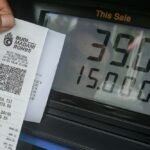
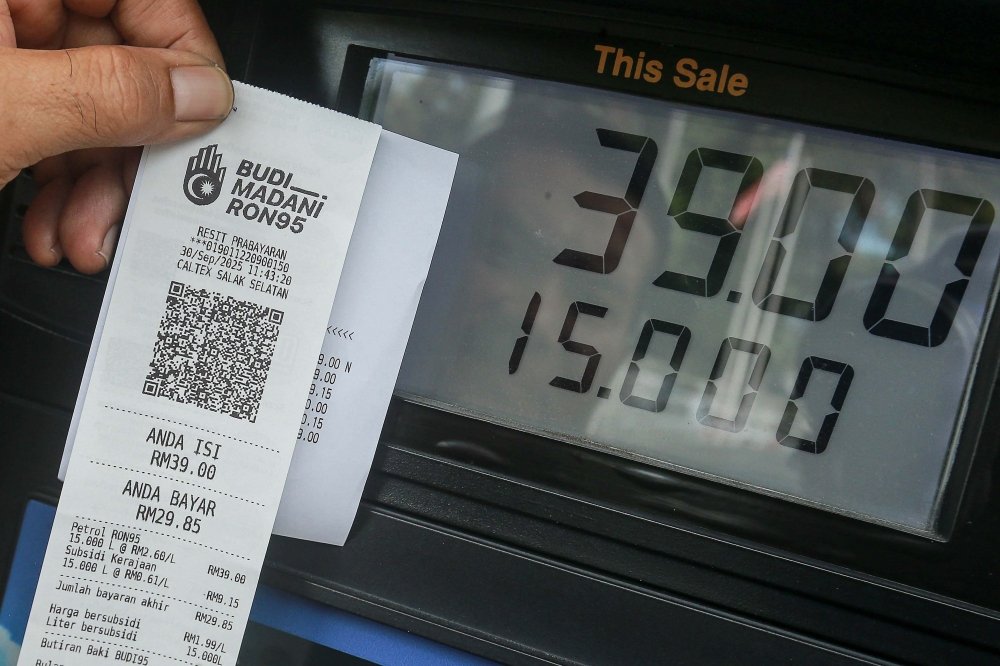
To illustrate this, the government has provided a model based on a four-person household. While the figures serve as a guide rather than a guaranteed income, they reveal that when annual electricity rebates, targeted fuel subsidies like BUDI95 and BUDI Diesel, and school-related financial assistance are aggregated, the total value of support becomes substantial.
However, these figures exclude consumption-based price supports, such as cooking oil, liquefied petroleum gas (LPG), rice, sugar, and wheat flour. Because these subsidies fluctuate based on how much a family consumes, they are harder to track as a fixed annual income supplement. Similarly, the “Jualan Rahmah” initiative, which offers discounted essential goods, provides significant savings that vary from household to household based on shopping habits.
Perhaps the most significant, yet hardest to quantify, forms of support remain public healthcare and education. While these services do not result in a direct bank deposit, they represent the largest “hidden” subsidy that allows low-to-middle-income families to allocate their limited cash toward other essential needs. By providing near-zero-cost healthcare and heavily subsidized schooling, the government effectively raises the household’s disposable income without printing new currency.
The data released serves as a reality check for citizens who may underestimate the total impact of state intervention. While the headline figures for cash transfers often capture public attention, policymakers are keen to emphasize that the real strength of the Malaysian social safety net lies in the stability provided by reduced costs for daily essentials and public services.
As the government continues to refine its targeted subsidy mechanisms, officials maintain that the focus remains on ensuring that the most vulnerable segments of society receive the maximum possible benefit, bridging the gap between income and the rising cost of essential goods.
Disclaimer: This content is auto-generated for informational purposes only. It has been rewritten and paraphrased from the original source.
Source: Read Original News