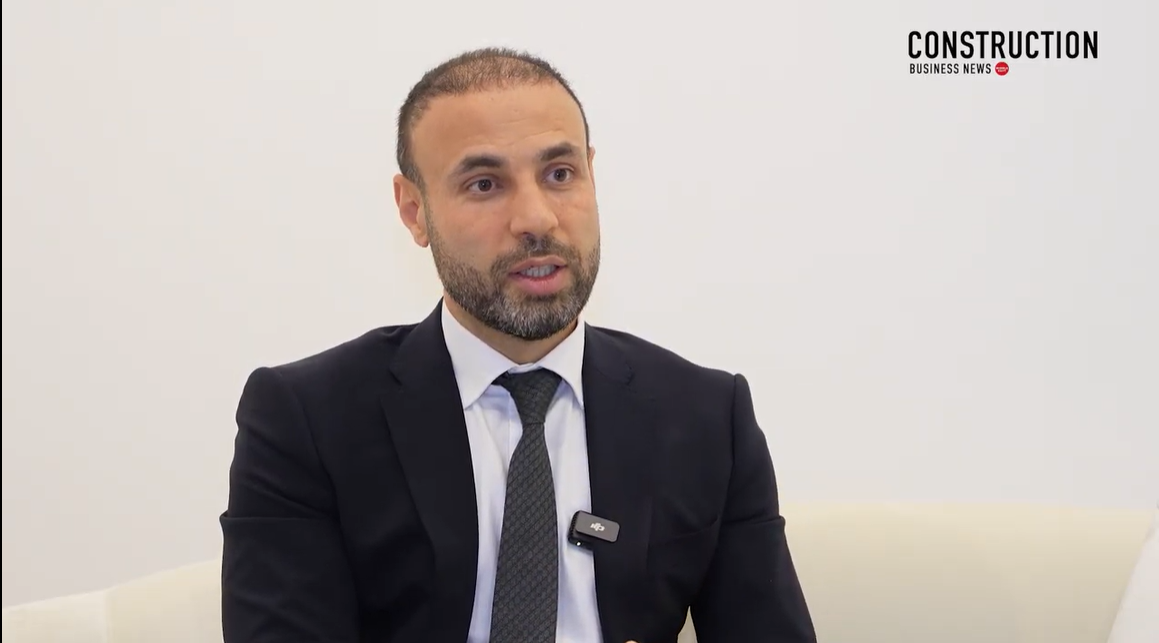









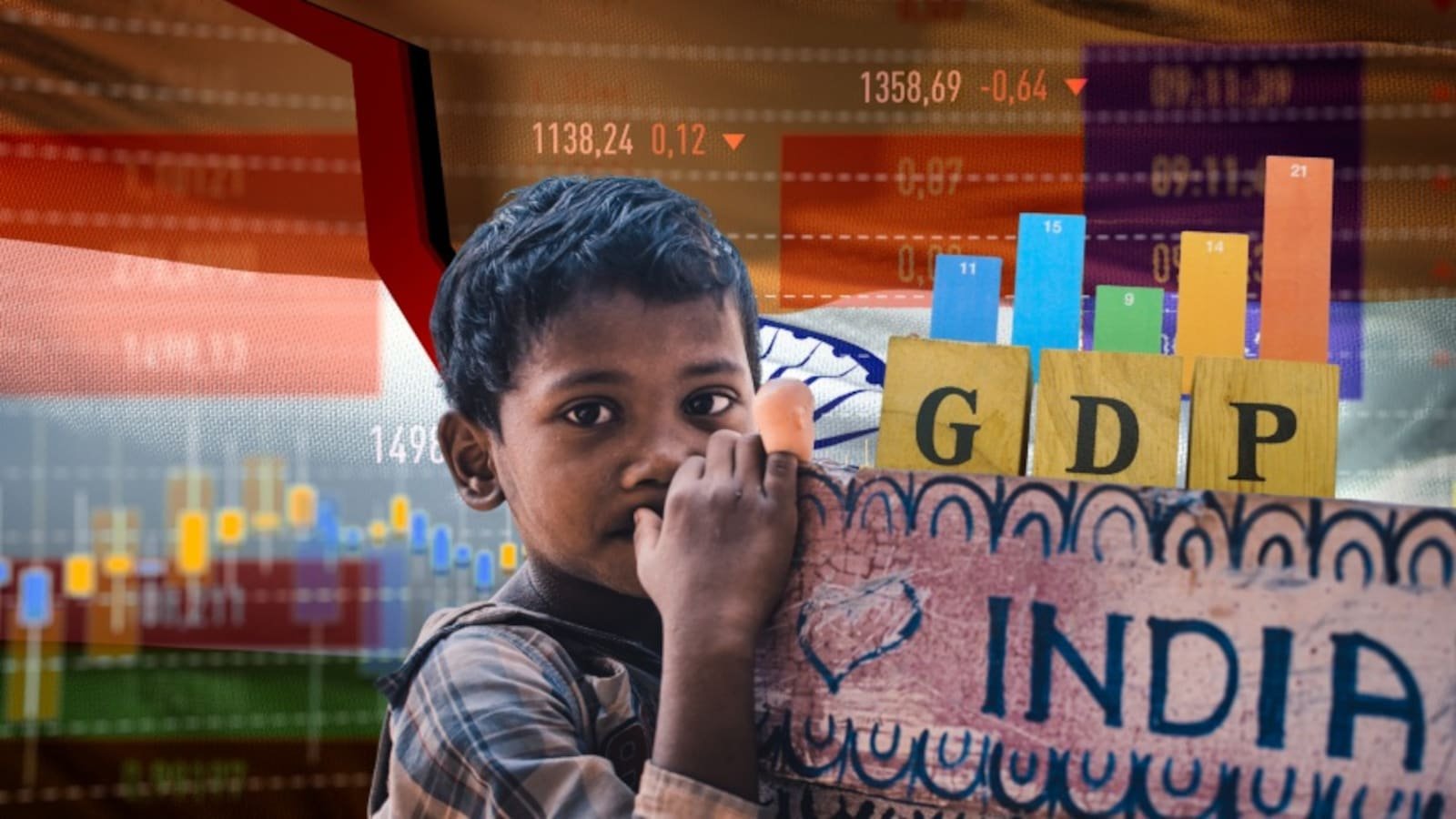
As India’s economic trajectory captures global attention, a fierce debate continues to dominate the domestic airwaves: Are the nation’s GDP numbers truly indicative of its progress? While economists, politicians, and media personalities clash over growth statistics, Vivek Singhal, CEO of Strategic Business Management Co., suggests the country is asking the wrong question.
Singhal posits that the fixation on GDP—a legacy metric from the industrial age—is a distraction from the broader goal of modernizing an economy. Instead of viewing economic growth through the narrow lens of output, he argues for a transition toward what he terms “Dharma Capitalism,” a framework that balances market strength with human potential.
Beyond the Dashboard: Reimagining Growth Metrics
In an era where data drives every decision, the debate over methodology and transparency remains vital. Singhal emphasizes that a transparent, trustworthy set of statistics is, in itself, a form of national capital. However, he warns that GDP should serve as merely one dial on the dashboard rather than the entirety of the navigation system.
This philosophy aligns with modern technological shifts. Just as the tech industry has moved away from “vanity metrics”—such as raw user sign-ups or page views—in favor of high-quality engagement and retention, national economies must also look beyond simple output. In the digital age, true economic health is increasingly defined by intangibles like human capability, innovation, and digital trust. When we rely solely on one metric, we risk ignoring the lived reality of the population, missing the nuance required to build a resilient, future-proof society.
The Role of Tech in Scaling Human Capability
As the global economy shifts toward artificial intelligence and deep-tech integration, the focus of capital allocation must evolve. Historically, “Dominion Capitalism” prioritized the accumulation of assets and market control. Today, however, the digital ecosystem offers a different path.
Technology giants and emerging startups are no longer just building infrastructure; they are building the connective tissue of the modern workforce. Through AI-driven education tools, cloud-based micro-entrepreneurship platforms, and digital governance, companies are essentially “capitalizing” on human potential. Singhal argues that capital should act as an engine for human flourishing, turning passive consumers into active creators. By integrating these values into the core of economic strategy, India can move past the limitations of 20th-century economic models.
Seeking Flourishing Over Mere Scale
As India chases its Viksit Bharat (Developed India) ambitions, the temptation to focus on global rankings remains strong. Yet, climbing the hierarchy of GDP is a pursuit of scale, which, as Singhal notes, is relatively easy to measure and brag about. True success, however, is found in “human flourishing”—a goal that includes dignity, social mobility, and systemic trust.
For the tech sector, this serves as a roadmap for the next decade. As Google continues to roll out AI updates and expand its footprint in India through initiatives like the GPay ecosystem and large language model integration, the impact is moving beyond output. These tools are democratizing access to capital and information, directly supporting the “Dharma Capitalism” model by leveling the playing field.
The ultimate test for India’s economy will not be its position in a global GDP ranking table, but its ability to ensure that the rapid digitization of its markets leads to a more capable, empowered citizenry. By shifting the objective from merely “capturing value” to “creating capability,” India has the unique opportunity to set a new precedent for 21st-century economic development. In this vision, the numbers won’t just represent growth—they will reflect a nation thriving.
Disclaimer: This content is auto-generated for informational purposes only.
Source: Read Original News