









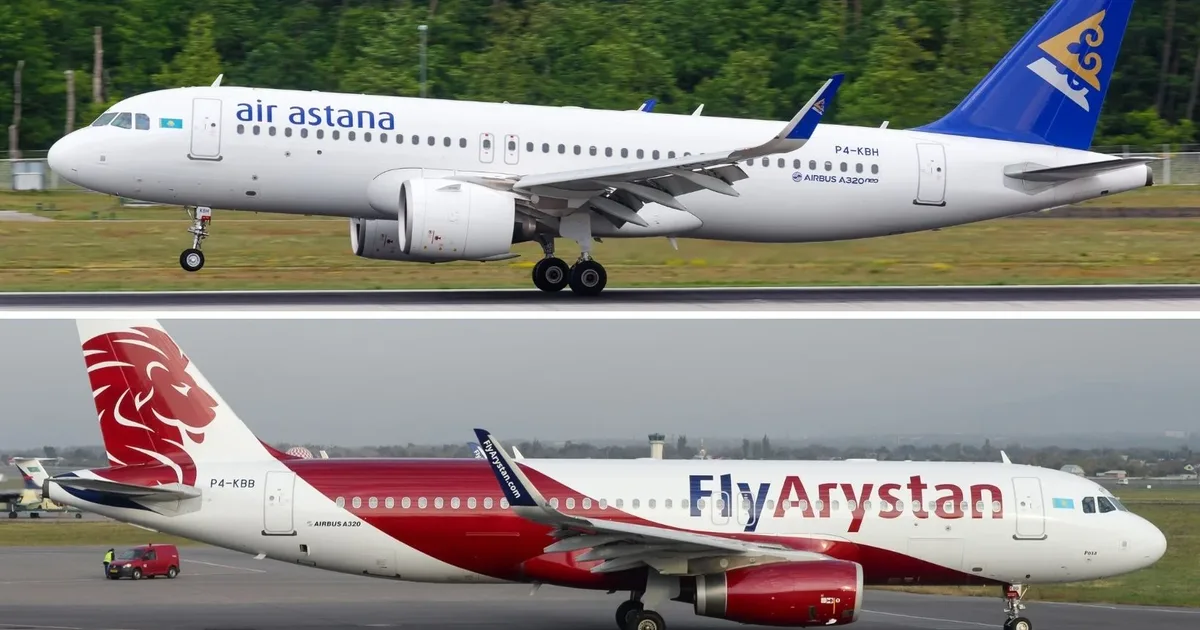
Air Astana has announced a strategic shift in its digital operations, marking a significant evolution for the Kazakhstan-based airline group as it pivots toward deeper integration with global tech ecosystems. The company, which operates both the full-service Air Astana brand and the low-cost carrier FlyArystan, revealed this week that it is overhauling its customer-facing infrastructure to leverage cloud-based artificial intelligence and advanced data analytics.
This digital transformation strategy is designed to streamline passenger journeys, mirroring the sophisticated tech stacks seen in Silicon Valley’s top logistics and e-commerce platforms. As airlines move toward a “retail-first” mentality, Air Astana is looking to consolidate its fragmented booking systems into a unified, AI-driven engine.
The AI Frontier in Airline Operations
The core of this upgrade focuses on predictive analytics, utilizing machine learning models to improve dynamic pricing and personalized seat inventory management. By adopting frameworks that echo the robustness of Google Cloud’s data processing tools, the airline aims to reduce the latency in its booking systems during high-traffic windows.
Beyond backend efficiency, the carrier is integrating generative AI tools into its customer service portals. Much like the conversational capabilities found in Google’s Gemini, the airline’s new virtual assistant is expected to handle complex rebooking scenarios, multi-city itinerary planning, and real-time flight disruptions without the need for human intervention. This move reflects a broader industry trend where legacy carriers are finally abandoning antiquated IT systems in favor of modular, cloud-native architectures that can scale globally.
Integrating Google’s Ecosystem for Travel Visibility
A critical component of this digital roadmap involves closer synergy with search-driven travel products. By optimizing its metadata and inventory feeds, Air Astana intends to maximize its presence on platforms like Google Flights. In an era where travel decisions are heavily influenced by organic search results and direct integrations, the airline’s tech leadership emphasizes that “discoverability” is now as important as seat capacity.
By aligning its API structures with international standards, the airline is ensuring that its pricing and schedule data flow seamlessly into the broader Google travel ecosystem. This enables potential travelers to view accurate, real-time fare updates directly within their search results, significantly shortening the path from inspiration to checkout. Industry analysts note that this level of interoperability is no longer optional for airlines looking to compete for the tech-savvy demographic of millennial and Gen Z travelers.
Security, Reliability, and Future Scaling
As the aviation sector remains a high-value target for cyber threats, Air Astana is also bolstering its digital perimeter. The group is moving toward a zero-trust architecture, utilizing modern identity and access management solutions that prioritize encrypted data integrity. These security updates are being implemented in parallel with the AI rollout, ensuring that as the airline automates more of its customer data handling, it maintains compliance with international privacy regulations.
Looking ahead, the group intends to use these updated data pipelines to fuel a “connected travel” experience. This includes potential integrations with local mobility partners, using GPS and geofencing technology—much like the mapping data found in Google Maps—to provide passengers with automated transit alerts, terminal navigation guides, and personalized baggage tracking notifications.
While the aviation industry has historically been slow to adopt cutting-edge tech, Air Astana’s latest maneuvers signal a decisive change. By treating the airline as a data-heavy technology company, the group is positioning itself to be more resilient against market volatility and better equipped to meet the evolving expectations of the global traveler. As the transition unfolds, the focus will remain on whether these automated systems can provide the human-centric reliability that is the hallmark of premium aviation service.
Disclaimer: This content is auto-generated for informational purposes only.
Source: Read Original News