








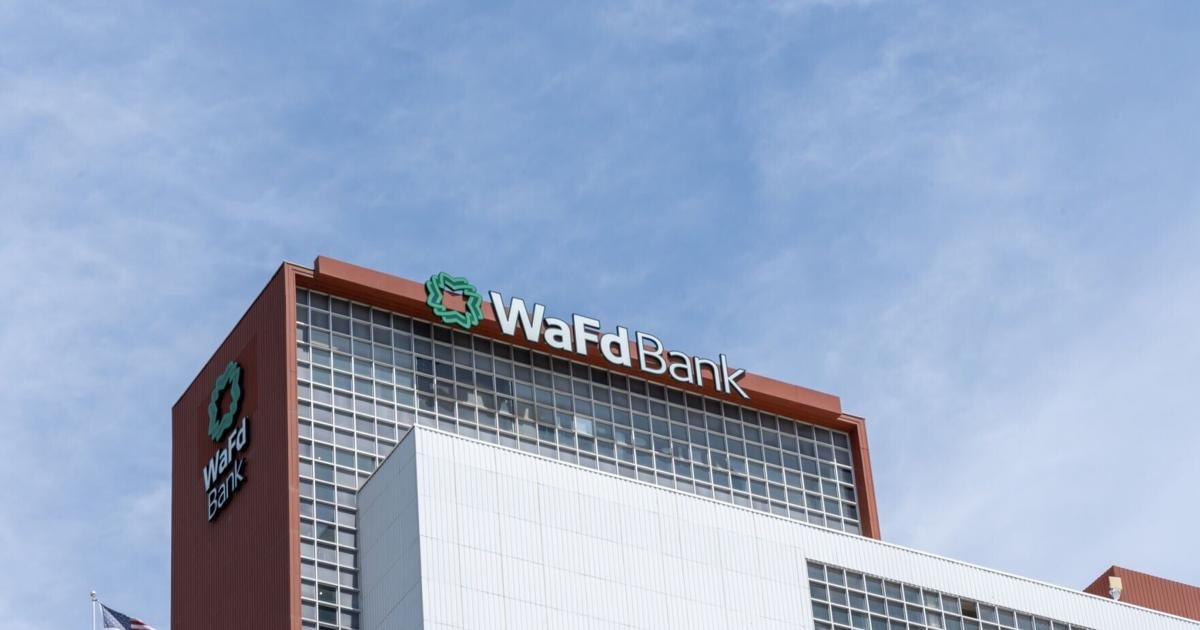
The banking sector is bracing for a massive reshuffle following the announcement that EverBank Financial Corp. and WaFd, Inc., the parent company of WaFd Bank, have entered into a definitive merger agreement. Valued at $3.9 billion, the deal aims to create a powerhouse financial institution by 2027, leveraging a unique blend of digital-first retail banking and deep-seated commercial expertise.
As the industry faces increasing pressure to integrate advanced technologies—such as AI-driven customer service platforms and cloud-based infrastructure—this consolidation signals a move toward creating more scalable, tech-resilient financial operations.
Strategic Synergy in a Digital Banking Era
The merger is designed to capitalize on the complementary strengths of both entities. EverBank brings a robust online consumer banking platform, while WaFd contributes a vast network of physical branches and deep commercial lending ties. For the modern banking landscape, this hybrid model is critical. By merging these platforms, the combined organization expects to reduce its reliance on wholesale funding, instead utilizing a diversified, stable deposit base that spans more than 250 financial centers alongside digital channels.
Industry analysts note that for banks to compete with fintech startups and digital-native challengers, they must prioritize high-performance data analytics and streamlined digital user experiences. The integration of EverBank’s digital focus with WaFd’s commercial real estate expertise provides the scale necessary to invest heavily in the digital tools that define contemporary banking, from personalized wealth management algorithms to enhanced cybersecurity protocols.
Leadership and Operational Integration
Upon the anticipated closure of the deal in early 2027, the merged entity will feature a unified leadership structure designed to bridge the gap between retail and commercial operations. EverBank CEO Greg Seibly is slated to serve as the chief executive officer of the combined institution, while WaFd’s CEO and vice chairman, Brent Beardall, will step into the role of president.
This management team faces the complex task of merging disparate technological backends. In the current climate, bank mergers often hinge on how effectively the companies can migrate data, unify customer portals, and deploy AI-driven administrative workflows. By combining their operational capabilities, the firms intend to move toward a more “high-performing” banking model that minimizes overhead while maximizing service delivery. The collaboration is expected to accelerate their shared goal of pivoting further into commercial banking, an area where data-driven insights are becoming the primary driver of credit decisioning and risk management.
Market Growth and Future-Proofing
For shareholders, the transaction is structured as a tax-free exchange, reflecting confidence in the long-term value of the combined stock. However, the path forward requires navigating both regulatory scrutiny and the logistical hurdles of integrating two complex infrastructures.
The focus on “challenging the status quo” mentioned by leadership suggests that this merger is not just about expanding footprint or assets; it is about establishing a competitive advantage in a market increasingly dominated by high-tech financial services. As Google and other tech giants continue to push the boundaries of financial technology through products like Google Wallet and AI-integrated banking features, traditional institutions must modernize. This $3.9 billion deal provides the necessary capital and operational density for the new entity to hold its ground against the rapid digitization of the economy.
The merger remains subject to standard closing conditions, including approvals from regulators and WaFd shareholders. Should it proceed, the combination will represent one of the most significant pivots in the commercial banking space, emphasizing that the future of finance lies in the seamless synthesis of physical accessibility and high-value digital integration. By pooling their resources, EverBank and WaFd are positioning themselves not just to survive the transition to the next generation of banking, but to define it.
Disclaimer: This content is auto-generated for informational purposes only.
Source: Read Original News