









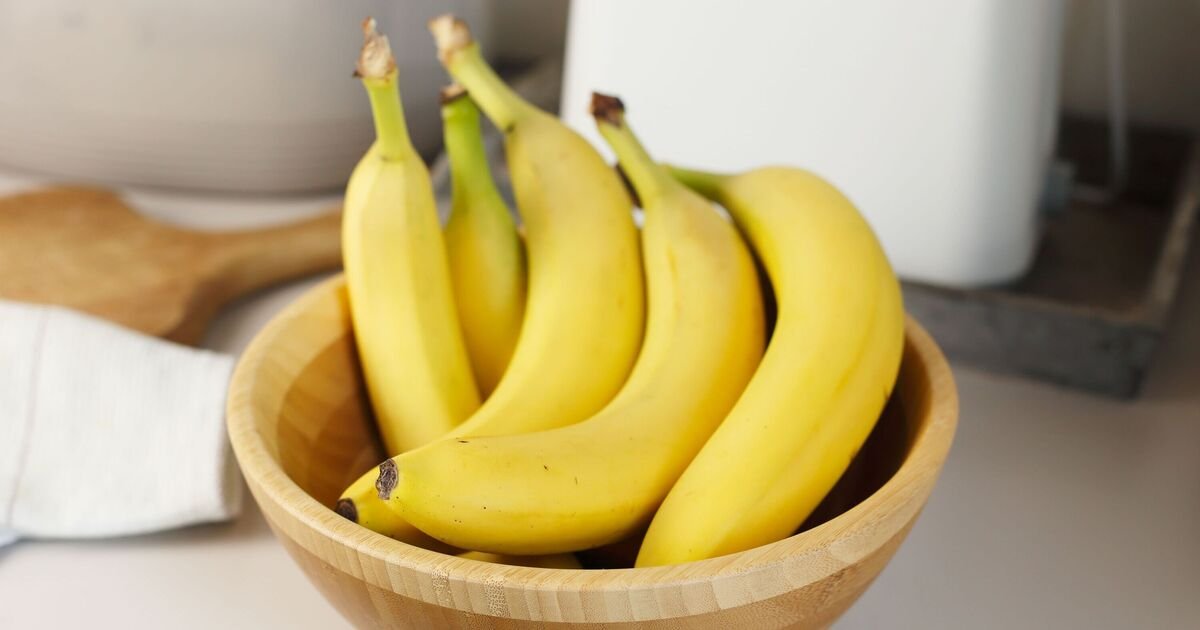
The Humble Banana Dilemma
We have all been there. You head to the grocery store with the best of intentions, grabbing a bright yellow bunch of bananas to keep in your fruit bowl for a healthy morning snack. You picture yourself grabbing one every day, perhaps slicing them onto your oatmeal or packing them for an afternoon pick-me-up. Yet, life happens. Three days later, you glance at the counter, only to find that your once-perfect fruit has morphed into a spotted, mushy pile of brown that nobody wants to touch.
Bananas are notoriously fast movers when it comes to ripening. While they are a nutritional powerhouse, their short shelf life often leads to unnecessary waste. If your kitchen stays on the warmer side, that process accelerates even faster. The good news is that you do not have to settle for the rapid countdown to mushiness. By understanding a little bit about how this fruit behaves, you can easily squeeze a few extra days of peak freshness out of your purchase.
The Science of the Stem
The secret to slowing down the clock lies in a natural plant hormone called ethylene gas. Bananas are prolific producers of this gas, which acts as a signaling agent to tell the fruit it is time to ripen, soften, and sweeten. It essentially converts the starches within the fruit into sugars and begins breaking down the cell walls, which leads to that characteristic yellow color and eventually, the brown spots we try to avoid.
The most fascinating part of this process is where that gas escapes. The majority of ethylene is released through the stem of the banana. Think of the stem as a tiny chimney constantly pumping out ripening signals. If you can contain that gas at the source, you can significantly decelerate the transformation. This is where a simple household item becomes your best ally in the kitchen.
The Foil Trick Explained
You likely already have a roll of aluminum foil in your kitchen drawer. This humble material is the ultimate tool for extending the life of your produce. By tightly wrapping a piece of foil around the stems of your banana bunch, you effectively trap the ethylene gas. Because the gas cannot escape and circulate around the fruit, the ripening process slows down considerably.
It is a straightforward, low-cost hack that requires almost no effort. Just tear off a small square, wrap it snugly around the crown where all the stems meet, and secure it. You will find that your bananas stay firm and yellow for much longer than they would left to their own devices. If you find yourself out of foil, plastic cling film serves as a perfectly adequate substitute. Both materials effectively create the seal needed to keep your fruit from turning into a baking ingredient before you are ready to eat it fresh.
Mind Your Fruit Neighbors
While the stem-wrapping trick is a game-changer, your storage strategy plays an equally large role in how long your fruit lasts. Bananas are quite influential; the ethylene gas they release doesn’t just affect the bananas themselves—it also forces nearby produce to ripen at an accelerated rate. If you keep your bananas sitting right next to your apples, pears, or passion fruit, you are essentially causing your entire fruit bowl to age prematurely.
To keep everything in your kitchen fresh for as long as possible, try to give your bananas their own designated spot. If you want to take it a step further, consider investing in a banana hook. Hanging the fruit serves two purposes: it ensures the ethylene gas isn’t trapped against the surface of the counter, and it prevents the bananas from bruising, which happens easily when the weight of the bunch rests against a hard kitchen surface. Bruises on a banana are soft spots where the skin has been compromised, and those damaged areas are prime targets for rapid decay.
Simple Habits for Less Waste
Managing your kitchen inventory doesn’t have to be a chore. By making these minor adjustments to how you store your produce, you save money and reduce the amount of food that ends up in the bin. A little bit of awareness about what you bring home from the market goes a long way.
Next time you bring home a fresh bunch, take ten seconds to wrap the stems and find a hanging spot for them. It is a small change that yields big results, ensuring that you actually get to enjoy the fruit you bought instead of watching it reach its peak and pass it by. Eating well should be easy, and with these practical steps, your fruit bowl will stay organized, fresh, and ready for whenever you need a quick, healthy bite.
Disclaimer: This content is auto-generated for informational purposes only.
Source: Read Original News